by Michael Orphanakis
The University of Cambridge commissioned historians from various countries to write about their country's National Resistance during the Second World War. As the title of the book published in English a few months ago, Heritage and memory of war, Responses of small islands, refers to the National Resistance on small islands. Panteion University professor in the chair of diplomatic history of post-war Europe, Mrs Irini Lagani, chose the island of Kythera for her own contribution, impressed by the following:
1. The remote island of Kythera developed a remarkable resistance to the conquerors.
2. The local society, in contrast to other Greek islands, not only did not celebrate the National Resistance but kept silent about the events and did not honour the fighters.
3. In Kythera, civil strife was averted thanks to the prudence shown by the leadership of EAM - ELAS Kythera.
Those who are interested can consult the above book: edited by Gilly Carr and Keir Reeves, Routledge Taylor and Francis Group New York and London. An encouragement to the editorial board of DragoNera Rossa and other cultural institutions to contact Mrs. Irene Lagani and organize a presentation event of this honorary essay for the island entitled «Post-war Legacies in the island of Kythera, oblivion versus historical memory». But to make the title more understandable, I would like to mention only some of the most important ones that marked the National Resistance on the island:
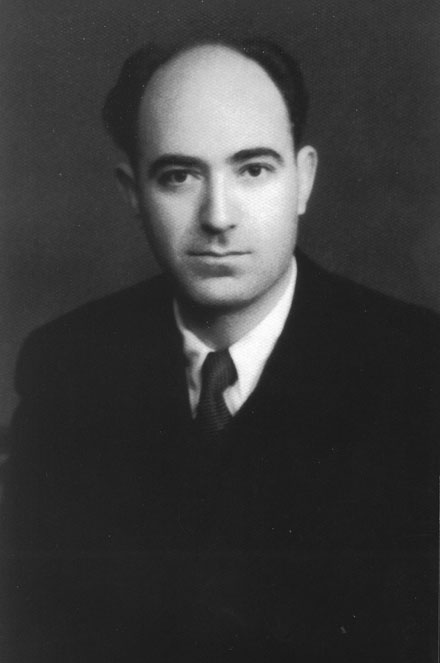
In 1942 a small group of Kythirians (George Chlampeas, George Panaretos, Yannis Trifyllis - Kavos) tried to join the Eamic movement in Athens. George Panaretos managed to meet those responsible, to get relevant instructions, to connect Kythera organically with Laconia, and this because of the special conditions and the geographical position of the island. The recruitment of members to the Organization of EAM in Kythera began with great success and massive participation in the outer demos and with limited participation in the inner demos due to the special conditions (conservatism, proximity to German troops, etc.).
The National Resistance in Kythera had a series of clashes with the Italian and German conqueror. I will refer to two important moments, one of which took place in September 1943 and the other in September 1944.
With the fall of Mussolini - 26 July 1943 - the Italian Corps in the River and St. Pelagia showed signs of unrest. Local Elastis, young men, came into contact with an Italian antifascist named Giovanni Giovanni (who knew little Greek) and he, in turn, brought the Italian leadership into contact with the leadership of EAM Potamos (George Chlampeas and Panagiotis Tamvakis). The Italians were persuaded to surrender with their weapons and on 25 September 1943, 11 petrol tankers with ELAS rebels from Neapolis Voies, led by Captain Zacharias, arrived in Agia Pelagia. Their driver was George Panaretos. The Italians, 150-200 officers and soldiers, after delivering their weapons, boarded the gasoline ships and left on the same day. The appearance of the guerrillas on the island, of whom many were unaware, caused great excitement among the inhabitants.
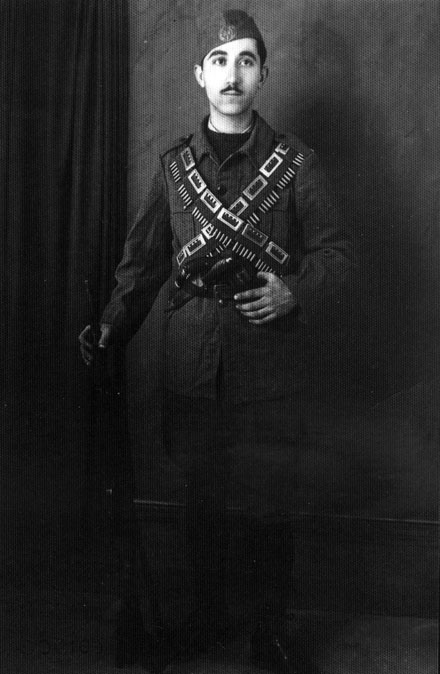
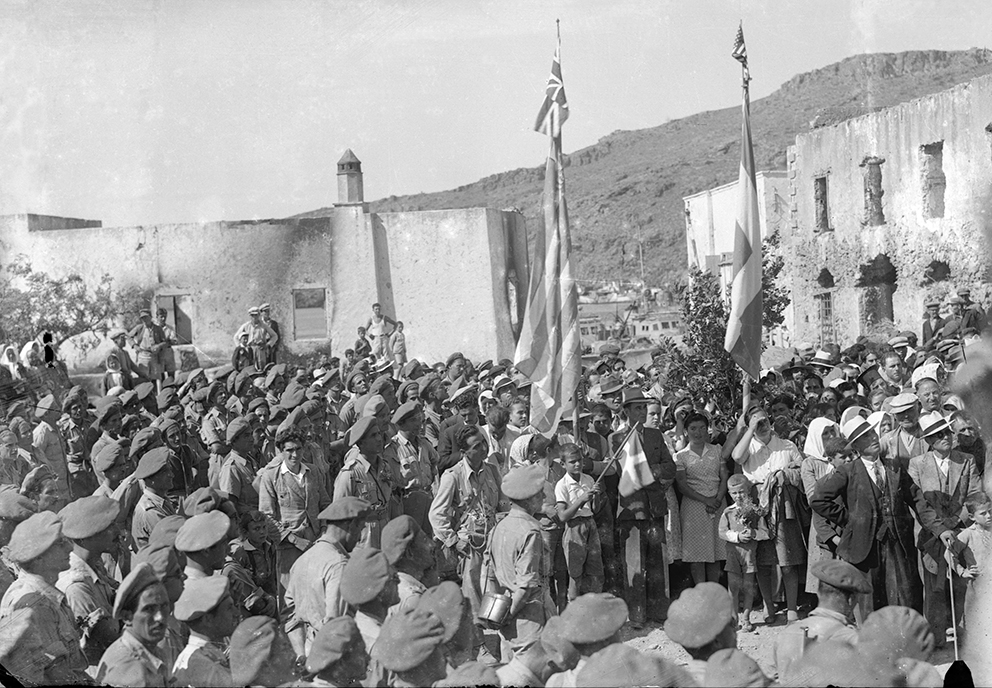
However, the peak of the events of the National Resistance on the island occurred in the first four days of September 1944. From 28 August, the Germans abandoned the base of Agia Elesa through wooded paths to avoid a clash with ELAS and arrived at Kapsali on 1 September. The guerrilla forces avoided any confrontation with the aim of trapping them. During the four-day encirclement of the Germans in Kapsali and under a barrage of fire - from three bases (Chora Castle, Kapena's Poros and Agios Ioannis in Gremno) - they tried to prevent the Germans from boarding the torpedo boat that remained in Piso Yalos. On 2 September the Germans were asked to surrender. They refused. On September 4, while the battle was going on, the Germans managed to board the torpedo boat and leave the island ’bad, badly« (sic!) as the teacher-historian Ioannis P. Kasimatis writes. On the same day, George Polymenakos, ELAS officer and fortress commander of Kythera, raised the Greek flag at Agios Georgios in Kapsali. It was the first part of Greece where the blue and white waved again.
I must, in closing, inform you that according to Mrs Irini Lagani, the pioneers of the prevention of the civil war on the island were George Chlampeas and George Polymenakos. As a ‘‘reward’’, the former was exiled to Ikaria and then self-exiled and, frustrated, he settled in Chalandri, while the latter - the generally admittedly moderate and heroic George Polymenakos - was cowardly murdered by the gang of the notorious Pavlakos in the school of Lagios Krokea. He was 38 years old and left four young daughters. All of them became teachers. (Speech by his daughter, Filitsa Polymenakou, 25 January 2011).

Today, various circles are methodically trying to falsify the date and thus the meaning of the Liberation of the island which is September 4, 1944. Others want to celebrate the liberation on September 14 because -hear this, hear this- that's when the English came, and it's also the day of the Holy Cross! And others, brazenly misrepresenting the historical facts, ‘inform us‘ through the internet and the newspaper TA KYTHIRAIKA (page 310) that the island was liberated by the Holy Company on September 28, 1944.
We must all remember that if the Civil War, as Antoine de Saint-Exupéry says, «is not a war, it is a disease», the National Resistance to the German conqueror was a duty and an honour.
BIBLIOGRAPHY
Chlambeas Georgios «Kythera in the four years 1941-1944» Plethron Publications, 1983
John P. Casimatis «Histories from the old and modern life of Kythera» publications Stef. D. Vassilopoulos, Athens, 1994
Manolis Dapontes «The Misunderstanding» Kythera, 2005
Internet references and publications in local newspapers from the
George I. Kanellis, Michalis Orphanakis, Cosmas Megalokonomos, Manolis Daponte, Mantes Triarchis.