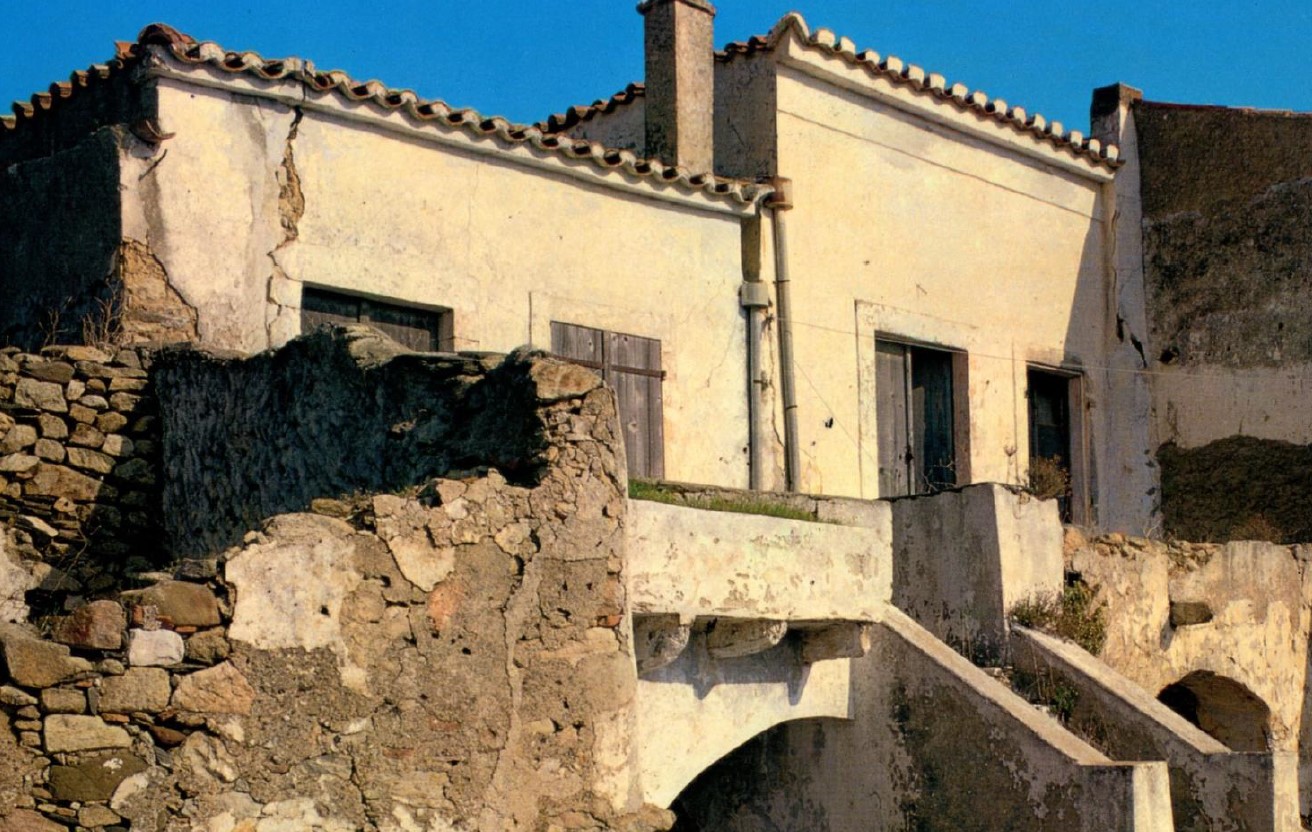
Located between Crete and the Peloponnese, Kythira—known to sailors as “Tsirigo”—stands out for its seclusion in the sea of the same name. A sea known today mostly for its storms, and in other eras for its pirates.
A trip to Kythira, then, means for many a nostalgic journey through exotic, dreamlike places—something that Watteau’s romanticism has brought to the present day.
A trip to Kythira takes us to a place that history has never brought to the forefront, yet has left its indelible mark. Cretans, Phoenicians, «Greeks, Romans, Byzantines, Venetians, and English—each in their own way shaped the character of the island’s traditions, creating a distinct identity—not only social and economic but also cultural. Architectural forms are nothing
more than the expression of various—and perhaps even conflicting—elements in a harmonious whole. A whole that balances the past with the present, Greek tradition with Western influence, and the ruggedness of nature with the calm, immovable stillness of human construction.
The following study is an initial exploration of the traditional architecture of Kythira and does not claim to be an exhaustive treatment of the subject. It is based primarily on field research and data collection, as the relevant literature is very limited.