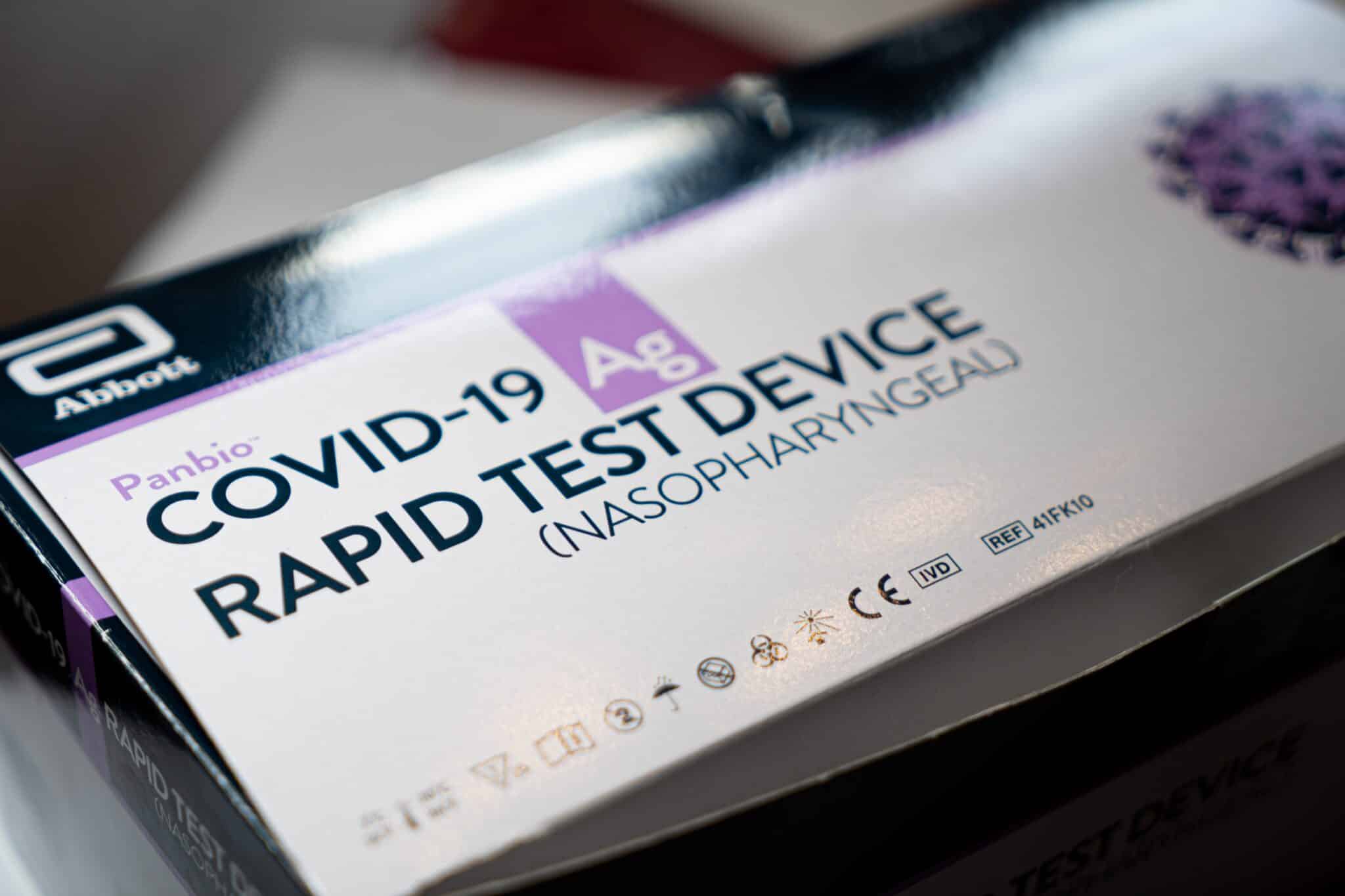
The emergence of the new, more contagious Omicron variant of the coronavirus, which is tending to become a new major pandemic wave worldwide, has de facto increased the need for diagnostic tests. The question many people are asking is whether rapid or “Lateral Flow Tests (LFTs) ”catch“ Omicron, especially in view of holiday gatherings.
The short answer is that in the case of the new variant the quick tests are also quite good, but with the same weaknesses that were shown against the Delta in the previous variants. False negative results are therefore not uncommon, so it is often necessary to retest with a new rapid test or, even better, with a PCR (Polymerase Chain Reaction) molecular test.
Here are nine relevant questions and answers based on New Scientist, so that one can get a more comprehensive picture of the issue:
* I heard that the rapid tests don't detect the Omicron variant. Is that correct?;
This is not true. Although Omicron has more than 30 mutations, the antibodies used in the rapid tests can still bind to the proteins of the new variant of the virus. The UK Health Security Agency-Technical Briefing 31 announced a few days ago (10/12/21) that, based on initial laboratory evidence, the rapid tests have a similar sensitivity against Omicron as against Delta.
However, some people will get false negative results because, as explained below, the sensitivity of these tests in general is relatively low. It should also be borne in mind that a person can be truly negative at the time of the rapid test but a few hours later become infected, especially if they have met many people in the meantime. Therefore, it is better to do the rapid test shortly before someone becomes confused with others, rather than relying on a negative rapid test done a day or two ago, as in the meantime they may have caught the virus, not realising it and thus unwittingly spreading it to others.
* What is the difference between a rapid LFT test and a PCR test?;
Polymerase chain reaction (PCR) tests were the first available to detect coronavirus. They work by detecting the genetic material of the virus and are very accurate. Later came the rapid lateral flow tests. Unlike PCRs, they detect proteins of the virus in case someone has a coronavirus infection. Most PCR tests have to be sent to a lab, while rapid tests can be done at home and give results in minutes.
* Are rapid tests less good than PCRs?;
Rapid tests are not as good as PCRs at detecting coronavirus, because PCRs have the ability to replicate the genetic material of the virus many times, so they can detect small amounts of the virus (viral load in the body). Rapid tests do not have this ability to replicate, so they are likely to miss infections where coronavirus levels are low.
* Can we quantify the difference between them?;
Several studies have rated the sensitivity of rapid tests - i.e. their ability to detect the virus if it is present - at around 40% to 60%, which seems hopelessly low compared to PCR tests that are very sensitive.
* If quick tests are unreliable, what's the point of taking them?;
Scientists point out that people should use a positive rapid test result as a “red light” to stop their social activities, but should not consider a negative result as a “green light” to continue their activities, especially if they feel some mild symptoms of Covid-19.
* What if the quick test just shows a faint line?;
This indicates that the coronavirus protein is present in the body. Positive lateral flow tests may show an extremely faint line, which some people misinterpret as a negative test result.
* Why are quick tests not recommended if someone has symptoms?;
Authorities, such as the UK government, recommend that people should only take a rapid test if they have no symptoms, using such rapid tests for routine daily checks or for days when they are confused with other people and the risk of infection increases. If someone has symptoms, they should take the more expensive PCR test. In practice, however, many people resort to the easy option of rapid tests even if they have symptoms, especially when they are mild or not the “official” symptoms of Covid-19. Doctors point out that a person can have the coronavirus protein in their body whether they have symptoms or not. Most studies of rapid tests show that these are somewhat more accurate at detecting cases of people with symptoms than asymptomatic people.
* So it's okay if I use a rapid test in case I have symptoms?;
The crucial thing to remember is that if you have Covid-19 symptoms, a negative result of a rapid test does not give a definite negative answer, so you need to do a PCR test to be more sure that you are not infected with coronavirus. On the other hand, rapid tests in people with symptoms can help them while they wait for the result of a PCR test they have previously had.
* Will there be better rapid tests in the future?;
Several other types of rapid tests are under development or already available. Some, for example, take a sample from the inside of the cheek or saliva rather than from the nose or throat, so they are easier to use. But any new rapid test, to be really useful, should be as cheap and easy to mass produce as LFTs are.