Weight loss is one of the main reasons people start an exercise routine. However, Misconceptions about how to exercise to lose weight are rampant. «Weight-loss strategies seem to be the most confusing aspect of health and wellness, and that’s no surprise, given the volume of misinformation circulating on the internet and on social media.
Myth 1: Exercise alone will help you lose weight
Exercise has so many health benefits, so it’s a good idea to exercise whether or not weight loss is on our minds. People often believe that they can lose weight by starting an exercise routine — without making any other lifestyle changes. Unfortunately, for the vast majority of people, this is not the case.
We must be in a caloric deficit to lose weight, and no amount of exercise can change these laws of thermodynamics, according to Parker Condit, head coach at Modo Bio. In other words, we need to consume less energy (food) than we expend.
Exercise can help shift this balance, but it is not, on its own, the most effective way. Think of it this way: «Exercising for one hour a day, seven days a week, accounts for less than 5% of the total time in a given week.». What you do in the other 95% cases is also important.
Fortunately, there are many other strategies that anyone who wants to lose weight can try. «Increasing physical activity during the day can have a significant impact, especially at the beginning of one's weight-loss journey.". Some examples of these include walking, standing instead of sitting, and generally being more active throughout the day. Of course, diet also plays an important role.
Myth 2: The more we sweat, the more fat we burn
Sometimes, people worry that if they don't sweat after a workout, they've wasted their time. However, Sweating is simply the body's way of regulating its temperature, not an indicator of how many calories or how much fat we burn.
In addition, lower-intensity workouts that don’t necessarily make us sweat—such as walking on a treadmill or lifting weights—are still essential for to burn calories, keep our metabolism at high levels, and help our bodies maintain lean muscle mass.
Myth 3: The more muscle soreness you have, the better
Some people are quick to conclude that if they don’t feel muscle soreness after a workout, they haven’t made any progress and have simply wasted their time. In other words, people subscribe to the idea of “no pain, no gain.” This may stem from the the misconception that muscle soreness means you've burned fat.
In fact, whether or not we feel sore after a workout has to do with how our muscles adapt to the challenge in new ways. Every time you try a new exercise or increase the number of repetitions or the resistance you use for an exercise, you’re likely to feel sore afterward.
However, As our bodies adjust to our routine, we'll experience pain less often. It is well known that the best way to get stronger is to increase the difficulty of our workouts over time, a principle known as progressive surcharge. But that doesn't necessarily mean we'll feel pain every time we make our workouts harder, or that we should use pain as a measure of how effective our workouts are. Furthermore, Constant pain can make exercise less appealing.
The bottom line is that We need to focus on increasing the workload rather than on muscle soreness, and we'll achieve your weight loss goals.
Myth 4: We should make up for cheat meals with workouts
«A typical, intense 1-hour workout burns 300–500 calories. However, it’s very easy to consume plenty of calories during an enjoyable meal out. But it’s also exhausting to constantly try to offset our indulgences with grueling exercise.» On the contrary, It’s best to be able to enjoy our food without overindulging—and to find a strategy that will help us maintain a healthy relationship with exercise.
Myth 5: The more we exercise, the more weight we lose
Surprisingly, more exercise isn't always best when the goal is weight loss. Our bodies need rest to recover, so if we exercise constantly without taking a break, we don’t give our muscles time to recover. As our muscles recover, they get stronger, which means more muscle mass and, therefore, more calories burned each day.
Furthermore, Excessive exercise can lead to overtraining, which can make it harder to lose weight. Our bodies produce a hormone called cortisol when we feel stressed. For the most part, this is a good thing. If we’re in a difficult situation (e.g., someone is about to rob us), our body responds so that we can react quickly.
But Excessive exercise can lead to excessive cortisol production, which, in turn, causes us to eat more and sleep less, which can hinder our weight-loss efforts. So, make sure to take at least 1–2 rest days each week to give your body a chance to recover.
Myth 6: An aerobic exercise program on its own is the only way to lose weight
Many people believe that because they burn more calories during a 45-minute cardiovascular exercise session thanin a 45-minute resistance training session, they should simply stick to cardiovascular exercise because that type of exercise will maximize their calorie burn.
What they fail to take into account is the concept of continued calorie burning after exercise is completed. Resistance training not only builds muscle and helps you maintain it while losing fat, but it also helps you continue to burn calories even after you finish your workout.
So the combination of aerobic exercise and resistance training may be the ideal approach for fat loss.
Myth 7: We can burn fat with spot-reduction exercises
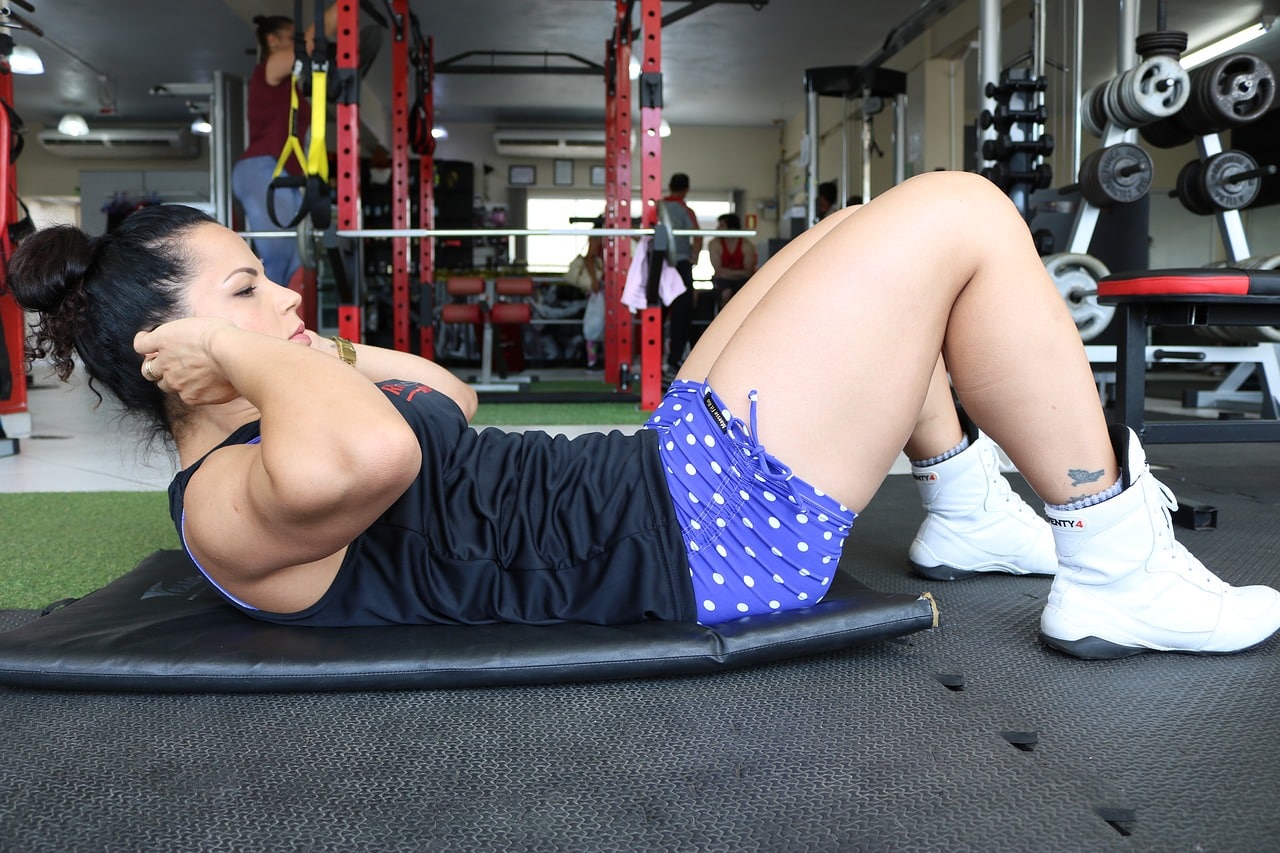
If you've ever done sit-ups with the goal of losing belly fat, you've fallen for this myth. The truth is that Fat is not reduced in specific areas. The more active muscle tissue we have in our bodies at any given time, the more fat we burn.
That's why it's very important to work out your entire body, rather than just a specific muscle group where you have more fat.