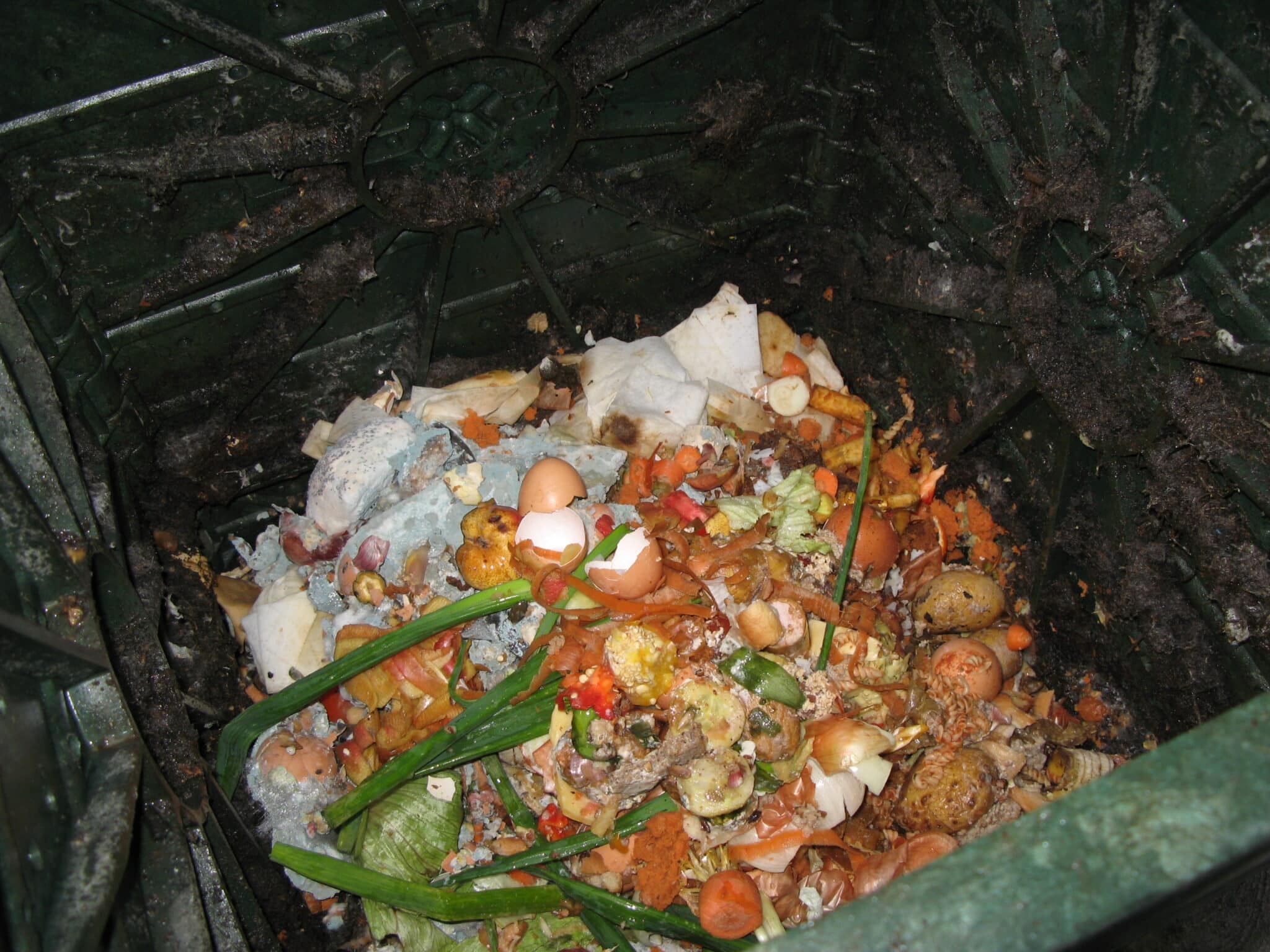
Around 931 million tonnes of food, or 17% of the total amount of food available to consumers worldwide, ended up in the garbage of households, restaurants and other services in 2019, without being consumed, according to a new study by scientists from United Nations. 61% of the discarded food came from households, 26% from various food services and 13% from the catering outlets.
It is estimated that, per capita globally, one person throws 121 kg of food in the trash every year, with 74 kg of this being discarded by the household sector. In Greece, waste seems to be higher than the global average, since it is estimated that 142 kg of available food that is not consumed is thrown away per capita per year by Greek households, as well as another seven kg per capita per year from the catering sector (although the available data for our country are considered to be of rather moderate reliability).
The study stresses that the extent of waste has been underestimated until now and that it is a global problem -now- and not just a problem of the richest countries, as one might assume. In middle- and low-income countries, too, an unexpectedly large amount of food ends up in the trash. The amount of fresh and processed food thrown away is equivalent to 23 million 40-tonne heavy-duty trucks, enough - if they were to go in one after the other - to circle the Earth seven times.
The new Food Waste Index Report 2021 from the United Nations Environment Programme (UNEP) is the most comprehensive estimate of the amount of unused food thrown away. It reveals that in almost every country, regardless of national income level, there is a food waste problem. The main «culprit» is households disposing of almost 11% of the total food available for consumption or 569 million tonnes, followed by various food services (5% or 244 million tonnes) and restaurants and other outlets focus (2% or 118 million tonnes).
This waste at the planetary level has - apart from the socio-economic impacts - an environmental dimension, as in the face of climate change about 8% to 10% of global emissions of «greenhouse gases» are related to uneaten food.
With an estimated 690 million people suffering from hunger in 2019, a number expected to increase significantly this year due to the Covid-19 pandemic, but with three billion people unable to afford a healthy diet, the study points out that consumers need to drastically reduce the amount of food they throw away, especially at home.