We all have our personal daily habits. It's just that some of them may not be so innocent to our overall health. From the way we sit to the way we use our phones, there are little things we do every day that can negatively affect our health.
You probably haven't given it much thought, but experts recommend that if we try to change some of the following daily habits, we can gain years of better living.
The daily habits that are bad for you
You don't get up from your seat
Many studies show the damage that a sedentary lifestyle can do to the body. Sitting at a desk or in front of the TV all day not only threatens posture, but can increase the risk of cardiovascular disease. One way to avoid this is simply to take some time during the day for a short walk.
The endless list of obligations
For a long and healthy life, experts recommend taking time for yourself to combat daily stress. Cortisol levels increase with chronic stress, which can lead to many different health problems, such as weight gain, heart disease, anxiety, depression, concentration problems and digestive problems. The next time you feel like you need a breather, take a much-needed break and spend time with yourself and/or your loved ones.
Binge-watching until the wee hours of the morning in daily habits that are bad for you
Those endless evenings watching your favorite shows can cause insomnia and other sleep disorders. This happens as exposure to blue screen light can disrupt your body's circadian rhythm. Just before you go to sleep, try activities such as reading or listening to relaxing music.
Brush your teeth right after eating
Dentists used to advise us to brush our teeth immediately after eating. However, it turns out that brushing right after eating could actually damage the tooth enamel - especially if you have consumed something acidic, such as citrus juice or coffee. Prefer to rinse your teeth with a little water and wait about 40 minutes after eating to brush.
Listening to loud music on your headphones is among the daily habits that are bad for you
Listening to your favourite music at a high volume on your headphones can help you concentrate on what you are doing. But the price can be very expensive for your ears. Exposure to sounds greater than 90 decibels for more than eight hours a day can lead to permanent hearing damage.
You sleep with your mobile phone next to the bed
Staring at your phone just before you fall asleep can cause serious problems with your sleep. Screen light could increase the risk of insomnia, while beeps or vibrations from the night time alerts can affect your sleep quality. Is it time to put your phone away, even for the hours you sleep? And we don't mean the one in bed.
The daily habits that are bad for you: Not drinking enough water
Humans are 60-70% water, so it is important to replenish our reserves. Dehydration can lead to fatigue, headache, constipation, dizziness, palpitations and the list goes on. This can affect not only physical health, but also mental health. Sometimes when you feel hungry, you are actually thirsty, so try to keep a bottle of water nearby at all times.
Wearing contact lenses when you sleep
Contact lenses basically act like sponges that can hold back many bacteria and other eye-damaging debris. When you sleep with contact lenses, you block the movement of tears, which helps eliminate some of the bacteria. It also prevents oxygen from reaching the cornea, further irritating the eyes.
Sleep without getting undressed (for women)
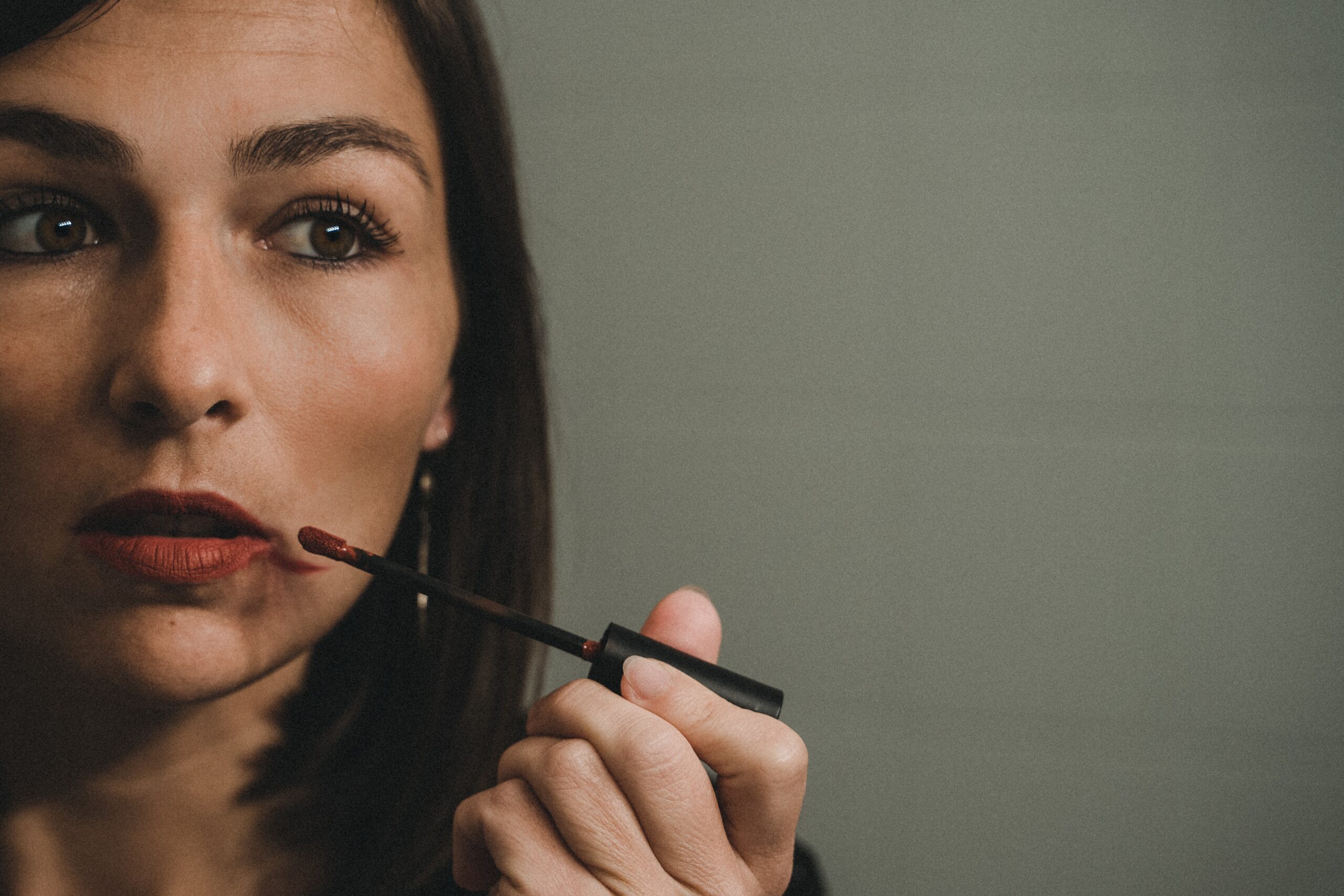
There are many nights when you've stayed up late and getting undressed before going to bed seems like a pentathlon. We hear you. However, your makeup doesn't just stain the pillowcase. It can prevent your skin's natural renewal process, dull the skin, clog pores and cause pimples. One last bit of courage and your skin will thank you.
You hit the snooze button every morning
Those extra 20 minutes of procrastination actually ruin the quality of your sleep. The snooze has even been linked to heart disease, cancer and brain fog. Your goal should be a better night's sleep of 7-8 hours. Set your alarm clock once for the time you absolutely have to wake up.