Making the most of all our radiator settings helps us keep our heating bills under control. Recently, as reported by the Which? website in a very helpful article, it was found that if we keep the thermostat set to high temperatures, even if the radiators are turned off, we may be wasting money on fuel without even enjoying the warmth.
The thermostat is what controls when the boiler runs and when it doesn't. However, if we don't set it correctly, there is a risk of wasting energy unnecessarily.
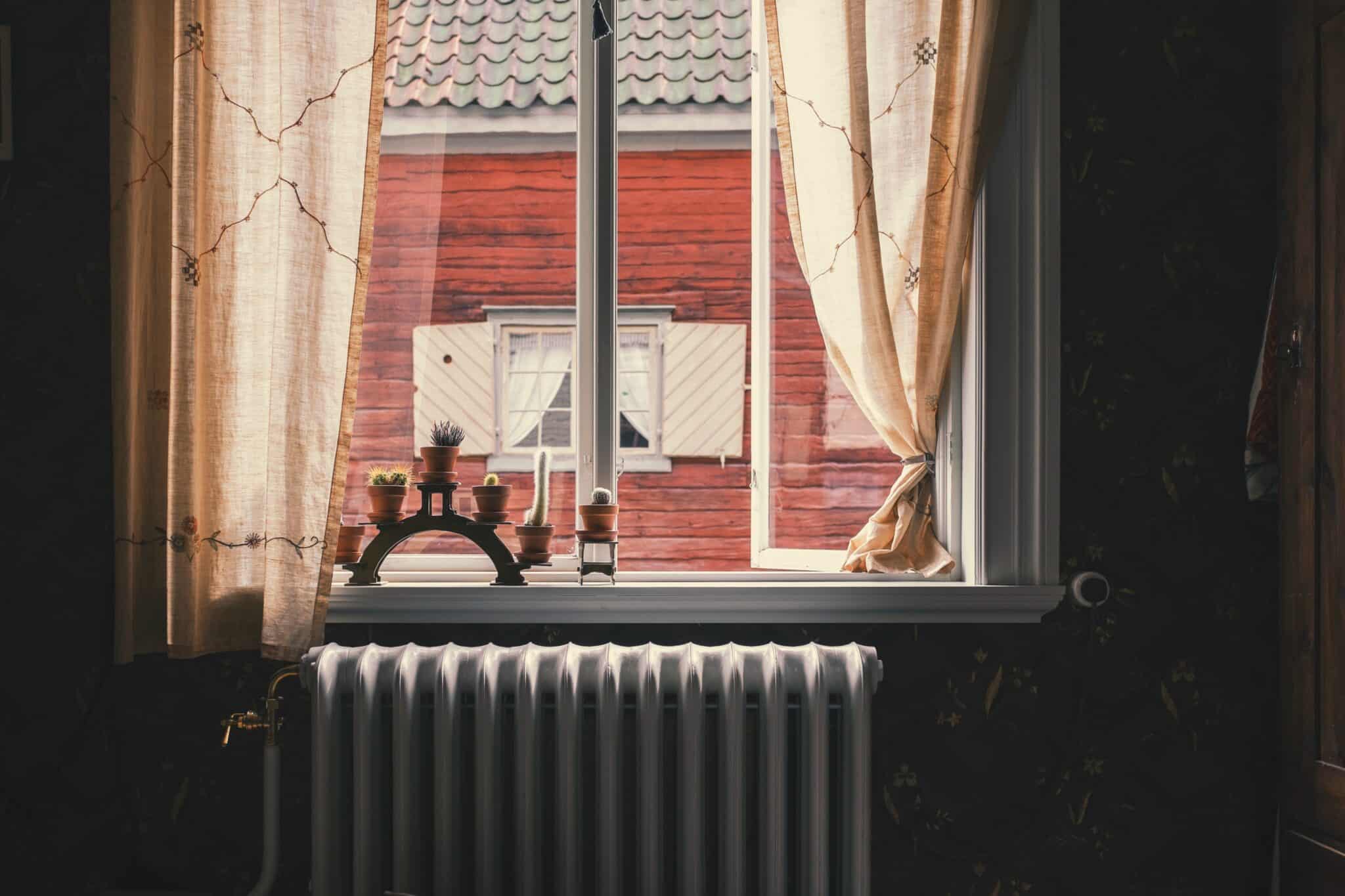
As Which points out, setting our thermostat to high temperatures while the radiator next to it is turned off is completely pointless. This is because the radiator valves will prevent hot water from flowing into the turned-off radiator. As a result, the energy expended by the boiler to heat water for the central heating system is wasted. This, however, depends on the room thermostat and is relatively easy to adjust.
The boiler’s function is to supply hot water to the radiator for as long as the thermostat indicates that it should be on. If the thermostat is set to 20°C but is located in a room where the radiators are turned off, then the thermostat will continue to «request» that the boiler heat water, while the radiators will not «accept» the hot water circulating throughout our home.
How to Properly Adjust the Thermostat and Central Heating
First, we need to make sure that the thermostat is located in the room we want to be warmer and that the radiators near it are able to heat up fully. Ideally, the radiator closest to the thermostat should be fully activated so that the temperature in that room rises quickly; then, the thermostat will signal the boiler to turn off again.
Meanwhile, if there are rooms in our home that don’t need to be heated, we can set the thermostats to lower temperatures. This way, the boiler will shut off when the main living area reaches the desired temperature, while the rooms we use less frequently won’t be heated as much. However, setting the radiators in empty rooms to low settings is sufficient to prevent any damage caused by moisture.
How Our Thermostatic Heads Save Us Money
Since each room in a building is completely unique and has different heating requirements, the simplest way to control the heating of individual rooms using radiators is to use thermostatic heads.
They are installed locally on each radiator individually and gradually regulate the flow of hot water based on the temperature of that specific room. This makes each radiator independent and automatically shuts off once the desired temperature is reached, while the other rooms that still need heating continue to operate. Consequently, once our home reaches thermal equilibrium, a smaller portion of the overall system will be in operation, resulting in fuel savings that can reach up to 30%.
By turning off some radiators, we save energy, since the heat is better directed toward the rooms where we want to raise the temperature, without wasting heat on radiators in empty rooms.
Many people have systems installed that do not fully utilize the boiler’s capabilities, so if we’re going to perform maintenance on the boiler, it’s worth asking our engineer first if there’s anything we could do to make it run more efficiently.
The most basic settings on a boiler are "on" and "off." However, there are a few additional features that can improve the efficiency of a heating system.
Adjusting the temperature according to the household's needs
Some boilers do not operate at the same capacity every time they are turned on. Instead, they automatically adjust the temperature based on how much heat our home needs. For example, boilers and thermostats connected to a network such as OpenTherm consume less energy when only a small amount of heat is needed.
Adjusting the temperature based on weather conditions
Some thermostats use an outdoor sensor to detect the weather conditions outside. This allows them to determine how much heat the boiler needs to provide. In other words, less on warm days and more on really cold days.
Smart Technology
Smart thermostats and radiator valves allow for automated scheduling and features such as open-window detection, which turns off our heating if it detects that heat is escaping.