The arteries are the blood vessels carrying oxygen and nutrients from the heart to the rest of the body.
They extend from the brain to the fingertips. Healthy arteries are flexible, strong, elastic and free of deposits and blood flows easily.
With increasing age, deposits of fatty substances, cholesterol, calcium, etc. accumulate inside their walls, resulting in plate creation, which reduces and in some cases completely blocks blood flow.
As plaque deposits increase, a condition known as atherosclerosis, which causes the arteries to narrow and harden.
The clogged arteries in different parts of the body can lead to serious problems, such as reduced blood flow to the legs and other limbs (due to blocked peripheral arteries), angina (chest pain), heart disease or heart attack (due to blockage of the coronary arteries), stroke (due to narrowing of the carotid arteries that provide blood supply to the brain).
Some foods benefit the heart and act as medicine for the blood vessels and arteries.
See below what to eat and what to avoid to prevent or reverse heart disease.
Cut down on soft drinks
Over 180,000 people die every year worldwide due to the consumption of sugary drinks, while about 45,000 of these deaths are due to heart attack. Soft drinks cause weight gain, diabetes and heart disease. Harvard researchers found that women who consumed more than two sugary drinks a day were 40% more likely to develop heart disease, while men who drank more soft drinks were 20% more likely to have a heart attack.
Vegetables
Plant-based foods are rich in vitamins, minerals, fibre and phytonutrients, which benefit the heart. For example, asparagus and peppers are good sources of B vitamins, especially vitamin B6, which help reduce homocysteine (an amino acid linked to heart disease) and C-reactive protein, which is a marker of inflammation. Carrots, tomatoes, orange fruits and bananas are rich in carotenoids, including lycopene, an important antioxidant.
People who eat eight or more servings of fruit and vegetables a day are 30% less likely to have a heart attack or stroke.
Grasses
Spinach, lettuce, rocket, cabbage, beetroot and green leafy vegetables in general are rich in nitrates, which during digestion are converted into nitric oxide, an ingredient that enhances blood flow throughout the body and helps to lowering blood pressure, helping to prevent heart attacks and strokes.
Spices and herbs
Many of them are medicine for the body, as they contain the chemicals that protect them from parasites and diseases. It has been shown that garlic improves blood cholesterol, reduces blood pressure and the risk of heart disease.
Ο turmeric reduces cholesterol, triglycerides and blood sugar. The ginger is a natural anti-inflammatory that thins the blood. Η cinnamon improves blood flow and helps to balance blood sugar levels.
Meat in moderation
Many people are horrified at the idea of excluding foods of animal origin from their diet. Choose meat from organically farmed animals, without antibiotics, hormones, sodium, artificial colours, pesticides or other additives.
Grass-fed animals have more omega-3 fatty acids, which have a cardioprotective effect. When eating meat, always accompany it with vegetables or fruits, whose phytochemicals protect against the effects of meat.
Fish
Some types of fish are rich in omega-3 fatty acids, good fats that reduce inflammation levels, heart rhythm disorders, triglycerides and high blood pressure.
A diet rich in omega-3 prevents plaque build-up in the arteries. Sardines, mackerel, anchovies, salmon and herring are the most rich in omega-3 fatty fish.
Tea
It is rich in catechins, flavonoids with antioxidant action that protect cells from damage. Both green and black tea, helps prevent heart disease by preventing the absorption of bad cholesterol from the blood, regulating blood sugar levels and reducing inflammation.
Coffee in moderation
People at increased risk of heart disease were advised to avoid coffee. However, black coffee without cream and artificial sweeteners has many health benefits and when consumed in moderation can reduce blood pressure.
According to a study published in the Journal of the American Heart Association, drinking three cups of coffee a day can reduce the risk of clogged arteries.
Vegetable fibre
The soluble fibres found in unprocessed cereals, oats, beans, lentils and vegetables reduce cholesterol absorption. Fiber helps control blood sugar and cholesterol and causes the blood sugar and cholesterol levels to rise. feeling of satiety. Analysis of studies found that one serving of beans reduces «bad» LDL cholesterol by 5%.
Unsaturated fat
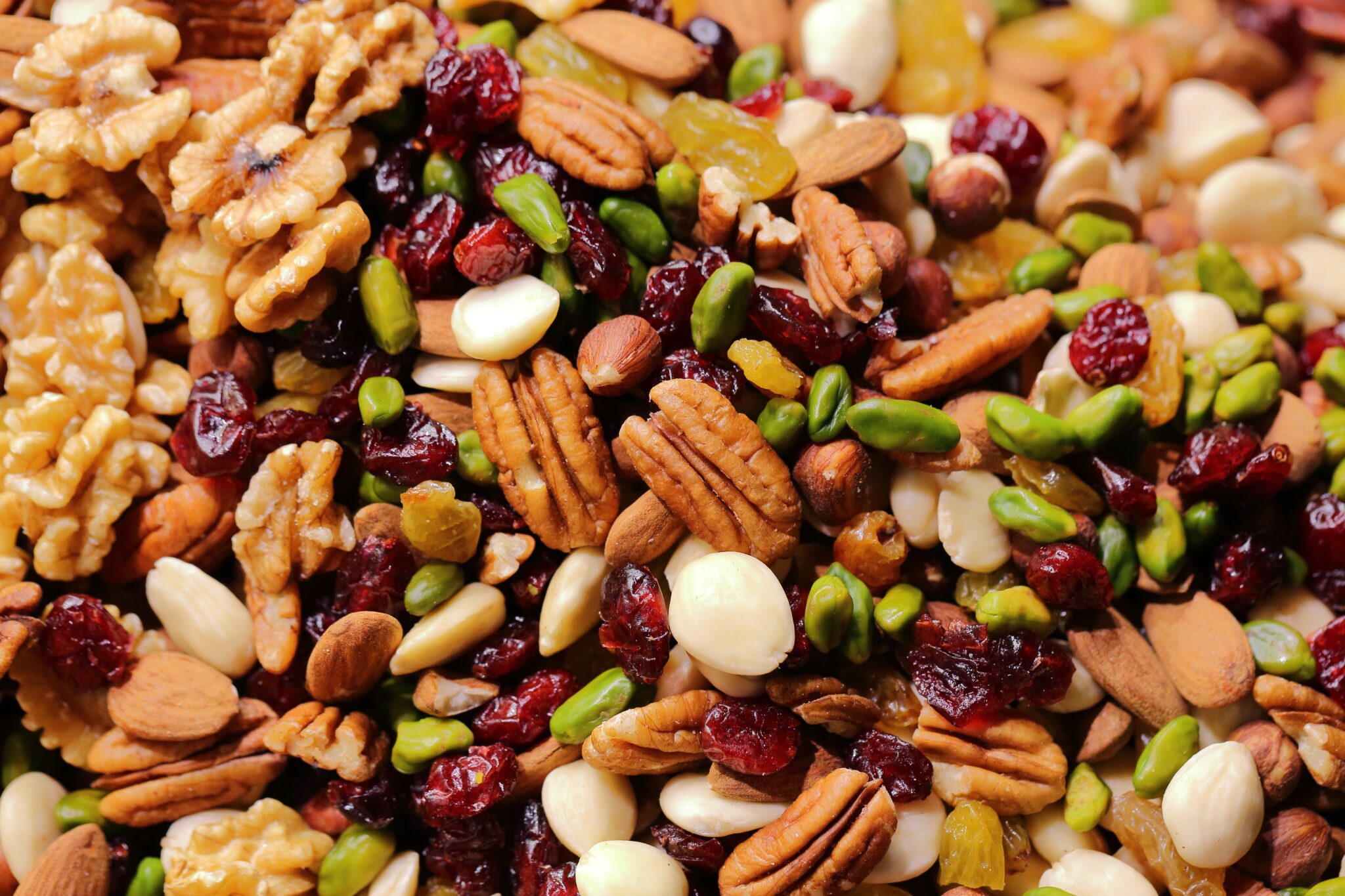
Avocados, olives and nuts are among the nutritious choices that prevent artery blockage. The reason is their high content of unsaturated fats, which, unlike saturated fats, have protective properties for your heart.
Especially avocados and nuts help to lower LDL cholesterol.