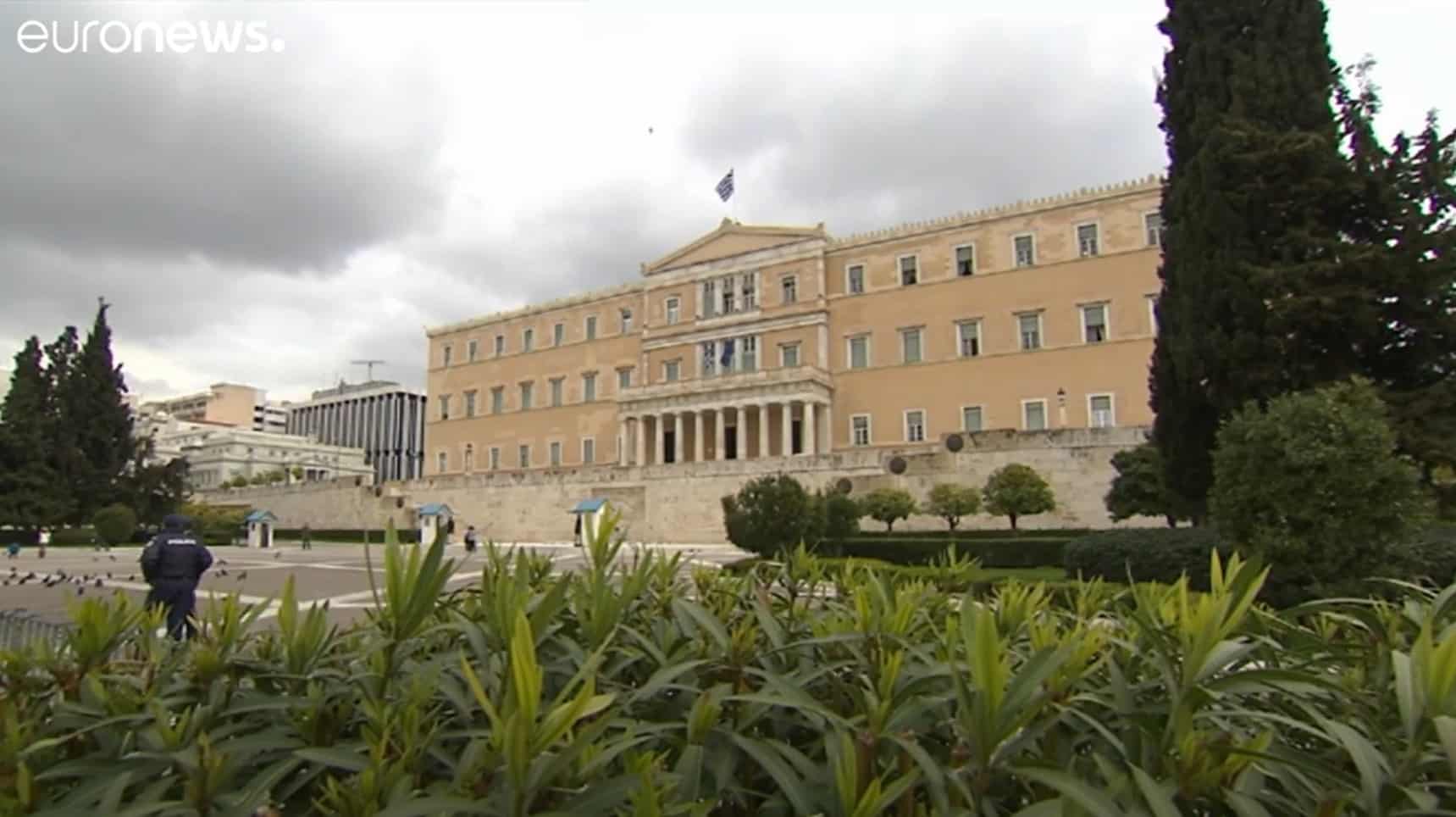
The government's reaction was triggered by the new announcements of the European Public Prosecutor's Office (EPPO) regarding the large-scale fraud scandal involving agricultural subsidies at the OPEKEPE. The case is now taking on a central political dimension, as the European authority calls for the lifting of the immunity of 11 sitting members of the Greek Parliament and transmits evidence about a former minister and his deputy.
The position of Pavlos Marinakis
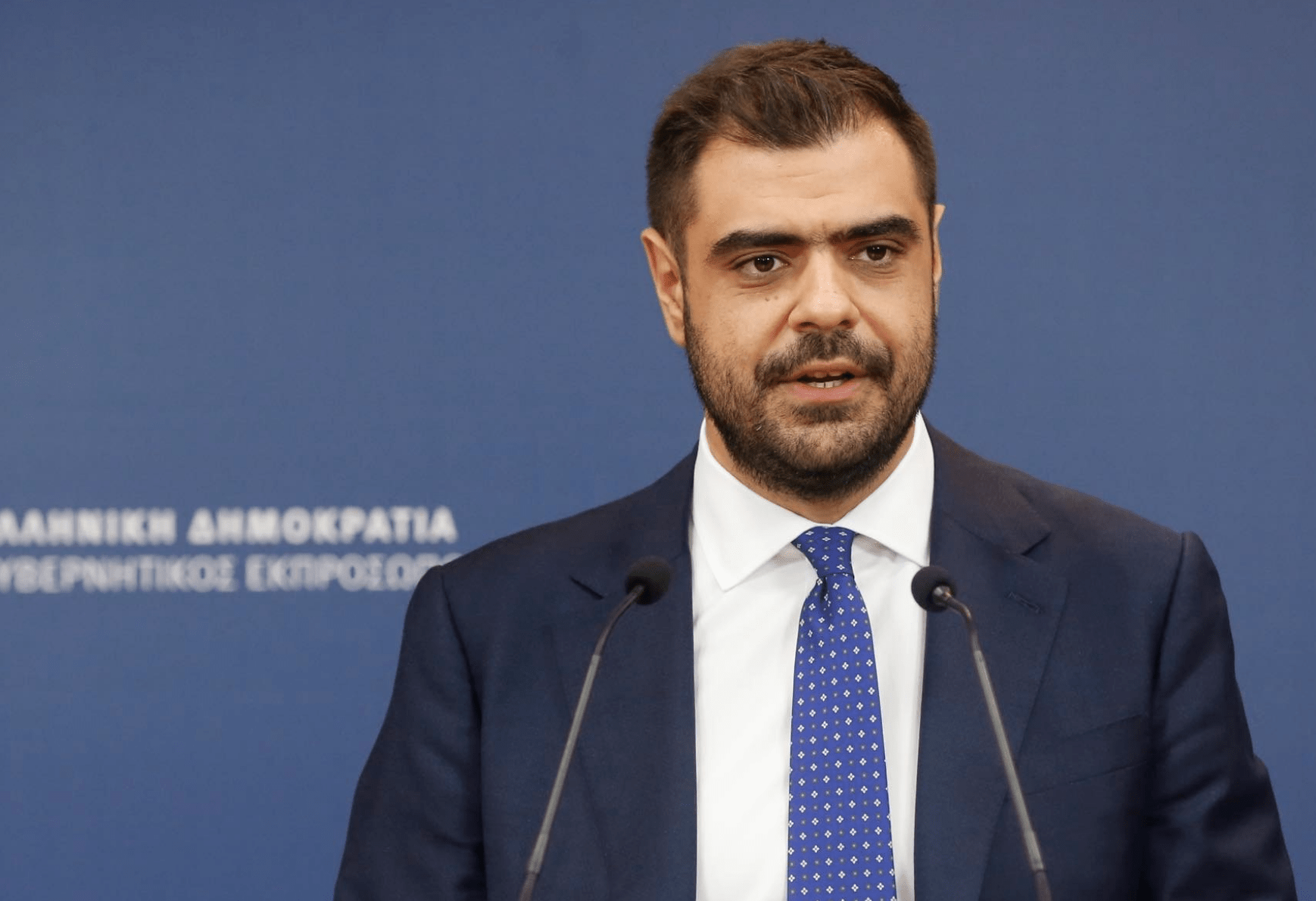
In the face of these facts, the government spokesman, Pavlos Marinakis, made an official statement, acknowledging the gravity of the case. «Today's announcement by the European Public Prosecutor's Office is a serious development. We look forward to the transmission of the case file to the Greek Parliament, in order to make an assessment of each individual case.», he said.
11 MEPs and a former Minister under the microscope
According to the EPPO's official update, the investigations concern an alleged scheme of organised fraud, focusing on acts committed in 2021 and involving public officials of OPEKEPE.
The investigation focuses on alleged felonies and misdemeanours affecting the financial interests of the European Union. In particular, offences such as:
- Inciting a breach of trust.
- Computer fraud.
- False certification for the purpose of obtaining an unlawful benefit for another person.
In this context, information was revealed about the possible involvement in the fraud scheme of a former Minister of Rural Development and Food, as well as his deputy, during their term of office.
EPPO's criticisms of Article 86
The European Public Prosecutor's sharp reference to the Greek Constitution and specifically to Article 86 on the responsibility of ministers is particularly sensational.
As the European authority explains, this article requires the transmission of information directly to Parliament if it relates to offences committed by ministers in the performance of their duties, even if they have now left office. The EPPO underlines that this constitutional imperative «forces her to split her ongoing investigation» and makes «impossible for the European Public Prosecutor's Office to fully carry out its duties» as regards the assessment of the possible criminal responsibility of members of the Greek government.