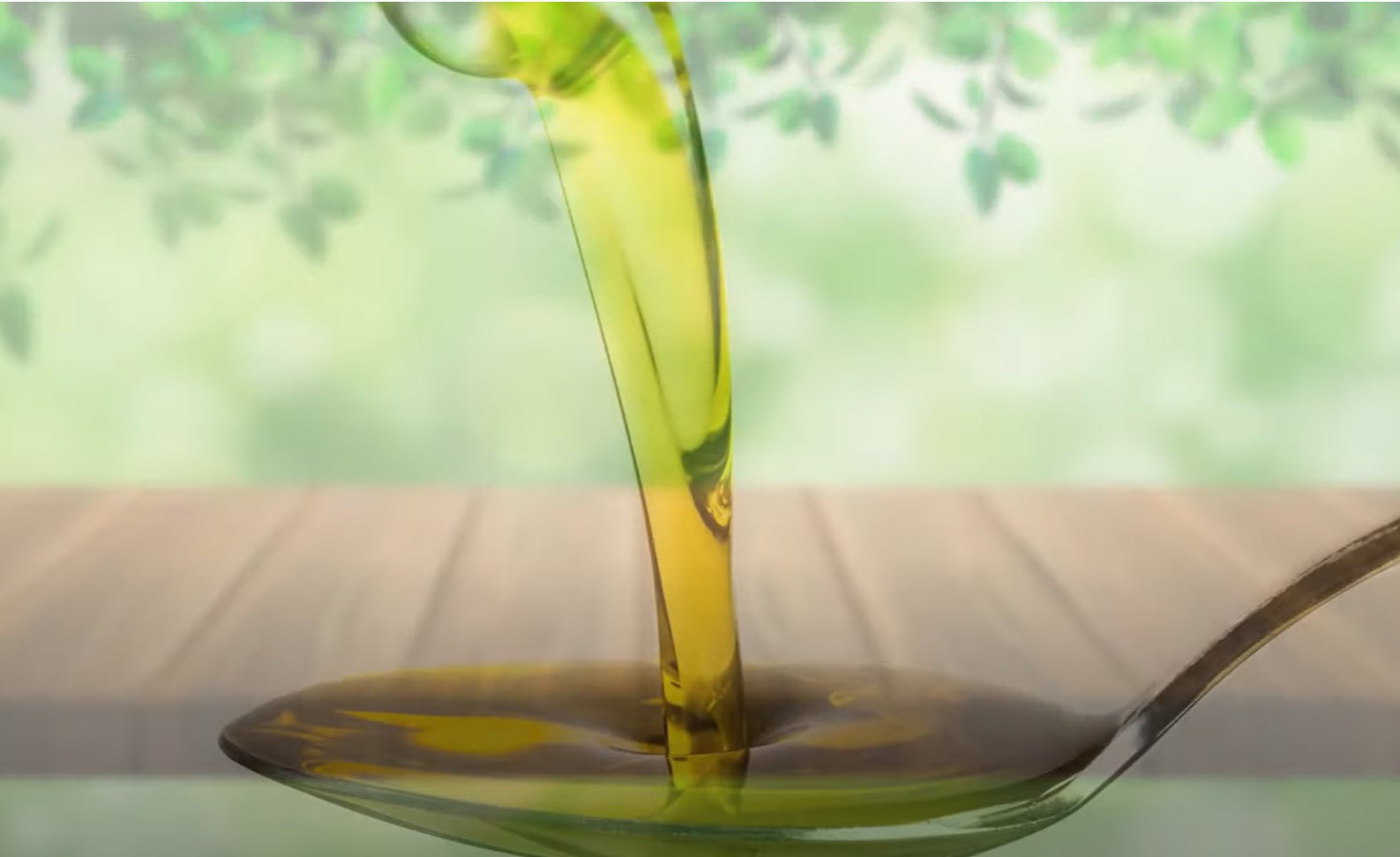
Olive oil will cost consumers less this year at the supermarket, since, according to early indications, this year’s harvest is expected to be better than that of 2023.
«According to estimates, this year's olive oil production will total between 220,000 and 230,000 metric tons,» said George Oikonomou, General Director of SEVITEL, to the Athens-Macedonian News Agency, adding that this would lead to a normalization of the situation.
In recent years, both Russia’s war with Ukraine—which drove up prices for basic commodities, including olive oil— as well as extreme weather conditions that have reduced olive oil production to historic lows throughout the «Mediterranean Basin,» have sent consumer prices soaring, turning «green gold» into a luxury item.
As Mr. Oikonomou points out, this situation is set to change, as production in all olive-producing countries is returning to «normal» levels.
«Prices will go down»
In fact, according to estimates by industry professionals, this year’s producer prices will be lower than last year’s. They point out that «when quantities are nearly double those of last year, producers cannot be paid the same price as last year.».
Producers are already being paid around 8 euros per liter, but industry insiders note that this momentum will not be sustained.
«In this game, there’s a winner and a loser. But we need to start considering the consumer as well, who is struggling to afford olive oil at today’s prices,» the General Director of SEVITEL told the Athens-Macedonian News Agency (ANA-MPA).
He continues: «We must let the market operate based on supply and demand. Last year, producer prices exceeded 10 euros, and this increase was passed on to the end consumer.».
This will help bring Greek olive oil back to family tables. Due to last year’s price spikes, many households chose to replace traditional extra-virgin olive oil with cheaper sunflower oil, seed oils, and the like. In fact, this is not a uniquely Greek phenomenon, as in Spain and Italy—both major olive-oil-producing countries— consumption has declined, just as it has in Greece, to between 18% and 20%.
According to Mr. Oikonomou, this «is due to the price increase as well as changes in the eating habits of Greek consumers,» and he added «We will take all necessary steps to bring Greek olive oil back to the table.».
«These steps must be taken to ensure that olive oil retains its value»
In order to add value to the product, Mr. Oikonomou told the Athenian-Macedonian News Agency that «consumers should be informed about the health benefits of olive oil.»
According to him, inspections must be stepped up, and «green gold» must be sold in standardized form rather than in bulk and anonymously—which, according to the Director General of SEVITEL, «is often adulterated.» «If all of this is done, then the conditions of competition and the market will take care of themselves,» he noted.
He added, «We certainly need a national strategy, especially for exports and for strengthening efforts to showcase and promote the product,» concluding, «We must all contribute toward this goal.».
Th. Papakostas