In many parts of the world, the pandemic had a negative impact on the Republic, where we witnessed streamlining of institutional procedures, legislative oversight, fundamental human rights, access to health care and education, as well as compromises even when it comes to personal data.
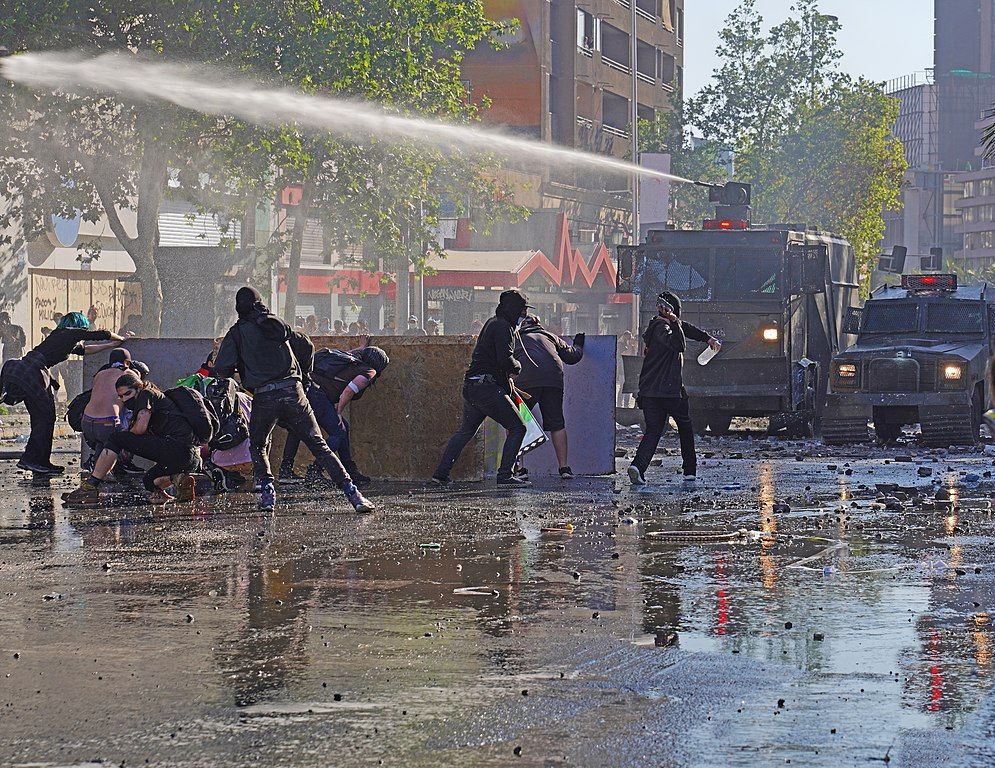
In our country, it was perhaps telling that even at the very beginning of the pandemic, when healthcare workers held rallies demanding that they be provided with personal protective equipment—masks and gloves—the government sent in riot police, all the while providing 4 million euros in funding for the «Great Walk,» supposedly as a measure against the coronavirus.
Legislatively, procedures such as those involving emergency decrees have become the new norm, with the Troika’s excuse no longer valid, while the push for legislation now disregards every national and European framework for good lawmaking, with public and open consultation being the first casualty—a process in which every government is obligated to engage in dialogue by laying its cards on the table regarding its initiatives, providing justification, and being accountable.
A peculiar form of government authoritarianism has taken the place of the rules, which in the case of YPROPO takes on very tangible dimensions, whether it involves a violation of the constitutionally guaranteed right to family asylum or the «in principle» dissolution of any popular mobilization, or the unprecedented decision to station police at universities, or the the priority given to spending on law enforcement agencies over social spending on health, education, and welfare.
At the local government level, the situation is the same. Municipal councils have been replaced by appointed municipal finance committees, «In the name of efficiency,» the communities were abolished, while further changes are on the way—even to the electoral law—so as to create all-powerful power structures within local government as well, effectively abolishing the municipal councils.
In the wake of the events of recent weeks in the neighborhoods of major urban centers, as well as developments in legal claims brought by citizens and prisoners, which have cost the government dearly by sparking massive backlash, a very sinister narrative is emerging from the government, claiming that the opposition is resorting to blackmail through orchestrated protests and the pandemic as a «biological weapon.».
In other words, we hear that the country is under attack and that anyone who does not align themselves in one way or another with the current government—anyone who speaks out, protest, or take to the streets because they disagree on some point with the barrage of reactionary legislation and other government initiatives, is an enemy of the country. And indeed, with the coronavirus as a «biological weapon» in hand.
At the same time, with society essentially in its 14th year of recession, the economic, health, and social needs arising from the pandemic are escalating daily, with the government spending, without a plan, the so-called 37 billion euro reserve left behind by the SYRIZA government, which was built on enormous sacrifices by the citizens.
These factors do not merely paint a picture of a dead end, but of a threat of political escalation with an unpredictable outcome.
The legislative process must be restored immediately, that everything necessary be done to ensure that the Greek Parliament is fully operational. That everyone who needs to be vaccinated be vaccinated as a priority, and that the Republic return to normalcy.
Mr. Chrysochoidis’s attack on society must also be stopped. Last week, lives were nearly lost for no reason at all in Nea Smyrni. Let the young people of DRASI take off their combat gear in the cities, let them dismount their «siege» and go out to help in the neighborhood—so they can learn there, alongside ordinary citizens, what the ministry’s political leadership deprived them of when it appointed them without training.
Finally, the prime minister must speak with the other political leaders in Parliament—rather than giving them orders—and consult with them on the country’s future and how to make the most of the limited, given the existing needs, European funds allocated to us. What they have presented so far are recycled, old-school projects that won’t pass, at a time when there isn’t a single minute to waste.
The Recovery and Resilience Fund is a green fund that is part of a new approach to more equitable development, with fewer inequalities and the overarching goal of protecting the planet so that we may continue to live on it.
These are times that call for cooperation, unity, fresh thinking, and composure—not authoritarianism. Neither restricting the internet, nor declaring protests illegal, nor police violence is a solution. Transparency is the solution, along with accountability, consultation, respect for opposing views, and cooperation at all levels.
Anyone who disagrees with the Prime Minister and his increasingly half-baked views on the country’s future is not an enemy of the country, but also about what democracy means when it confuses consensus—which requires mutual concessions—with obedience.
And most importantly, let them all, while there is still time, abandon the government’s new narrative that their political opponent is an enemy of the country. Only regimes dare to engage in such political acrobatics, and we do not have a regime in Greece. So it would be wise to put an end to these stunts before they create the wrong impression about what is being attempted through the relentless authoritarianism evident in every aspect of this administration.
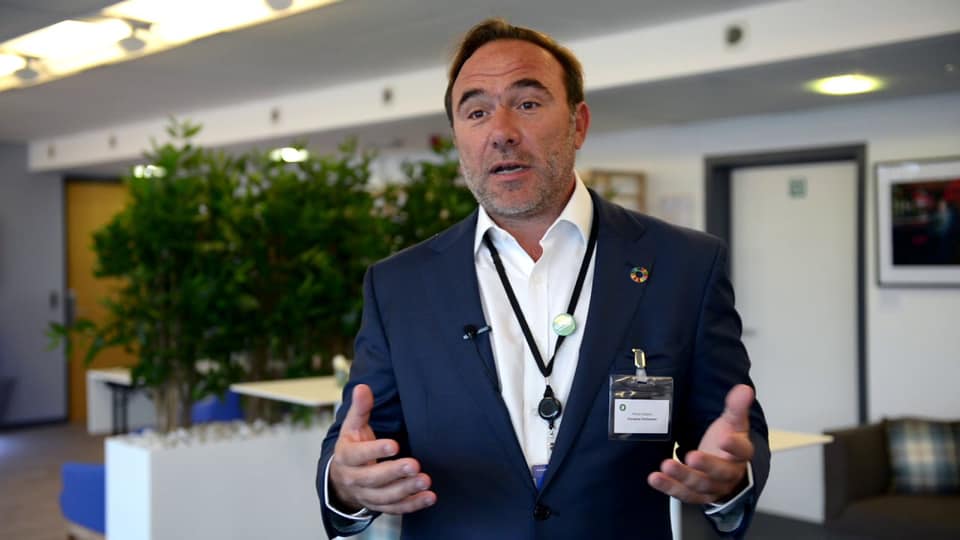
By Petros Kokkalis, EMember of the European Parliament for SYRIZA-PS