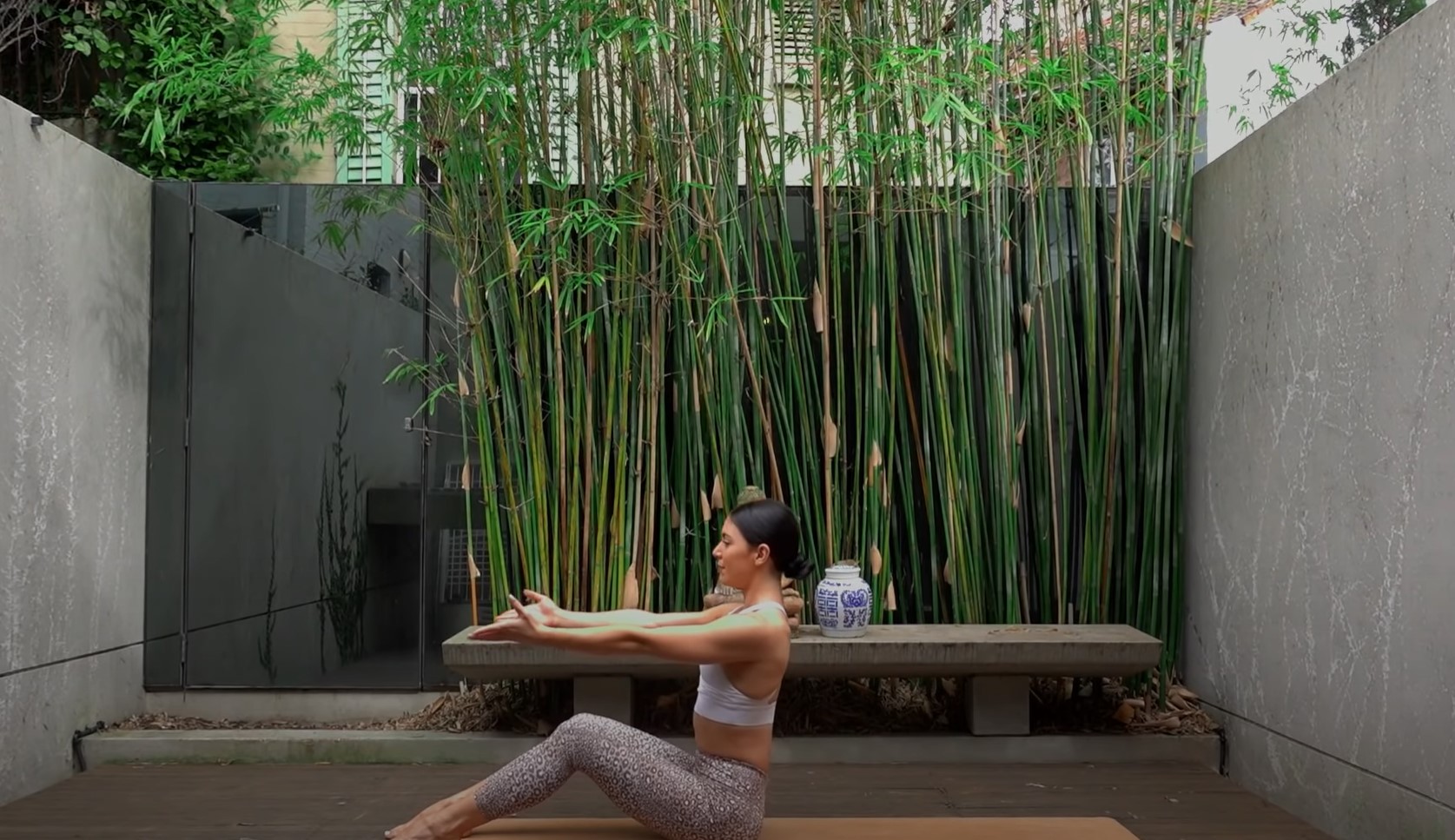
The Pilates It is an exercise program that includes strength training exercises and stretches, which are performed either on the ground or on special apparatus. Its main goal is to teach athletes to control and guide their bodies, strengthening weak muscles and stretching the so-called tight ones.
People today suffer from many musculoskeletal problems, which are a result of the modern lifestyle. Problems in the lower back, neck, knees, and pelvis are becoming increasingly common, making daily life difficult. With the help of Pilates and the right exercises, these problems can be minimized and gradually eliminated!
What are the advantages of the Pilates;
Pilates is a method of physical exercise and functional rehabilitation that was inspired and systematized in the 1920s by Joseph Hubertus Pilates. The original name given by Joseph Pilates was “Contrology.” In his book *Return to Life Through Contrology*“, Joseph Pilates presents his method as the art of controlled movements, which should feel like a workout (not a treatment) when performed correctly.
Strength and Agility
It is a technique for improving strength and flexibility that combines Eastern and Western philosophies. In a typical 45-minute Pilates class, you have a lot to gain. You'll work out all your muscles while improving your overall coordination. In the long run, you will develop a strong muscular system, thereby preventing various injuries while also improving your body's balance.
The philosophy behind Pilates is that «The body is controlled by the mind». The specific advantages offered by this method relate to improvement in flexibility, strength, muscular endurance, balance, proprioception, posture, appearance, and overall health.
Physical Health
Regarding physical health, It reduces the risk of cardiovascular disease, helps prevent osteoporosis, and, as mentioned earlier, reduces the risk of falls and improves balance and flexibility. Furthermore, There is an improvement in movement patterns, an improvement in breathing, and the development of kinesthetic awareness. It offers spinal mobility, muscle flexibility, increased bone density, reduced Body Mass Index, and core stability. The core consists of the abdominal muscles, the lower back muscles, and the hips; for this reason, it is often called the “powerhouse” and is considered the key to a person’s stability.
Breathing is just as important for this method. Of course, this also depends on the instructor and whether they take the time to help you understand just how important it is. Deep, controlled breathing combined with movement offers additional benefits to the muscles by maximizing their performance.