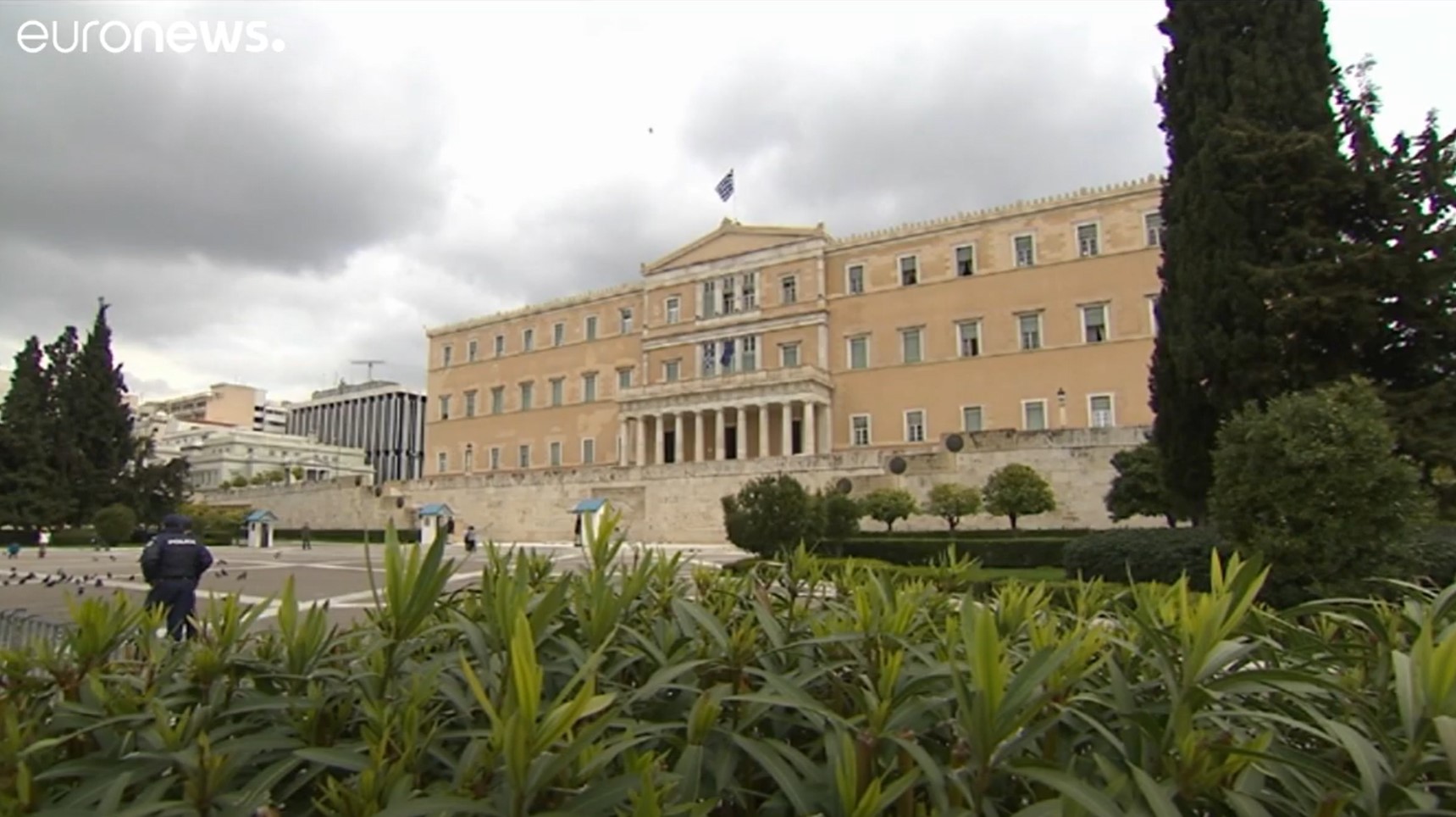
The creation of a modern Muftiateia, headed by a Mufti who will enjoy the prestige of his position, is launched with legislative regulation of the Ministry of Education, which was tabled in Parliament today.
The legislation provides for:
- A complete framework for the organisation and operation of the Muftiate, with provisions for their accommodation, security, transfer of human resources, travel, covering expenses for their work, publication of publications, creation of websites, etc. In this way the financial independence of the institution is decisively promoted, while at the same time facilitating the overall work of Muftis and Muftis and enhancing their image and prestige.
Shifting the emphasis, contrary to what has been the case so far, from the person of the Mufti to the institution of the Muftiate, the proper functioning of which is promoted, strengthened and guaranteed by the State.
Clear description of the triple status of the Mufti in our country: Religious functionary, head of a public service and functionary with judicial powers. These three co-existing qualities in the same person impose a separate responsibility on the State in relation to the way they are selected and function.
Protection of the prestige of the Muftis on an individual level as well, with provisions for the establishment of incompatibilities and disqualifications in order to limit the risk of challenges to their integrity and to avoid any questioning of their integrity.
Innovations in relation to the selection process of Muftis in favour of the widest possible acceptance of them as persons of increased prestige, with special ties to the citizens they are called upon to serve. A crucial person in the selection process is the Mufti, and no longer the Secretary General of the Decentralized Administration. By decision of the Mufti, an enlarged, numerically and qualitatively, Advisory Committee is formed, consisting of 33 members of the Muslim minority, who are selected by public lottery and come from the teachers of the Introductory Department of Muslim Studies or the Muslim Seminaries of Thrace, the Imams, the Seminaries of Islamic Religion and eminent theologians. The Advisory Committee examines the nominations and decides whether or not each candidate is qualified to assume the duties of the Mufti. It then submits to the Minister of Education and Religious Affairs the alphabetical list of those who are qualified for the post of Mufti; and the Minister of Education and Religious Affairs appoints one of them to the position of Mufti by Presidential Decree.
As noted in an announcement of the Ministry, the new, modern and comprehensive institutional framework for the Mufti and Muftis in Thrace, takes into account the constitutional requirements and the international obligations of our country, as defined by the Treaty of Lausanne, the European Convention on Human Rights and the jurisprudence of the Council of State and the European Court of Human Rights.
It is also noted that these legislative provisions are the result of thorough research, consultation with the directly concerned religious officials of the Muslim minority, cooperation with experts, study of the internationally applicable standards and in accordance with the proposals of the Inter-Party Parliamentary Committee for the Development of Thrace. In particular, the procedure for selecting a Mufti is also in accordance with the principles of Islam.