Reaching new all-time highs more than 11.2 National inflation is expected to come in at % in May, following yesterday’s Eurostat announcements of a harmonized inflation rate of 10.7%, putting more pressure on households and businesses who are experiencing an unprecedented reduction in their budgets.
Leading indicators, as well as projections from the economic team, point to a further rise, exceeding previous forecasts that had put annual inflation at 5.6%. It should be noted that in the Stability Program A scenario has been incorporated in which the Consumer Price Index stands at 7.6%, a development linked to the sharp rise in energy prices.
The Ministry of Finance estimates that Starting in June, inflation will stabilize, while, according to officials from the economic team, the phase-out will begin in July, when the impact of the intervention on electricity bills will start to become apparent.
Concerns about prices
At the same time, the steady rise in international oil prices is further fueling the spiral of rising prices that is eroding incomes. The cost of living has skyrocketed, with fuel and food prices in the red.
Given the ongoing wave of price increases across nearly all consumer goods and services from week to week, Officials at the Ministry of Finance are not hiding their concern. They are well aware that even if inflation subsides, prices will remain high, with the result that incomes are under pressure and consumption is declining. In fact, analysts estimate that an EU embargo on Russian oil imports will trigger a new rally in energy prices, putting further pressure on households and businesses.
Just yesterday, the price of Brent crude oil surged to nearly $123 per barrel, the highest levels since the outbreak of the energy crisis and the war in Ukraine, while yesterday’s forecasts point to record-high electricity prices in 2023 as well. The German contract for 2023, which is considered the benchmark for wholesale electricity prices in Europe, posted gains for the sixth consecutive session climbing to its highest levels since the beginning of the year.
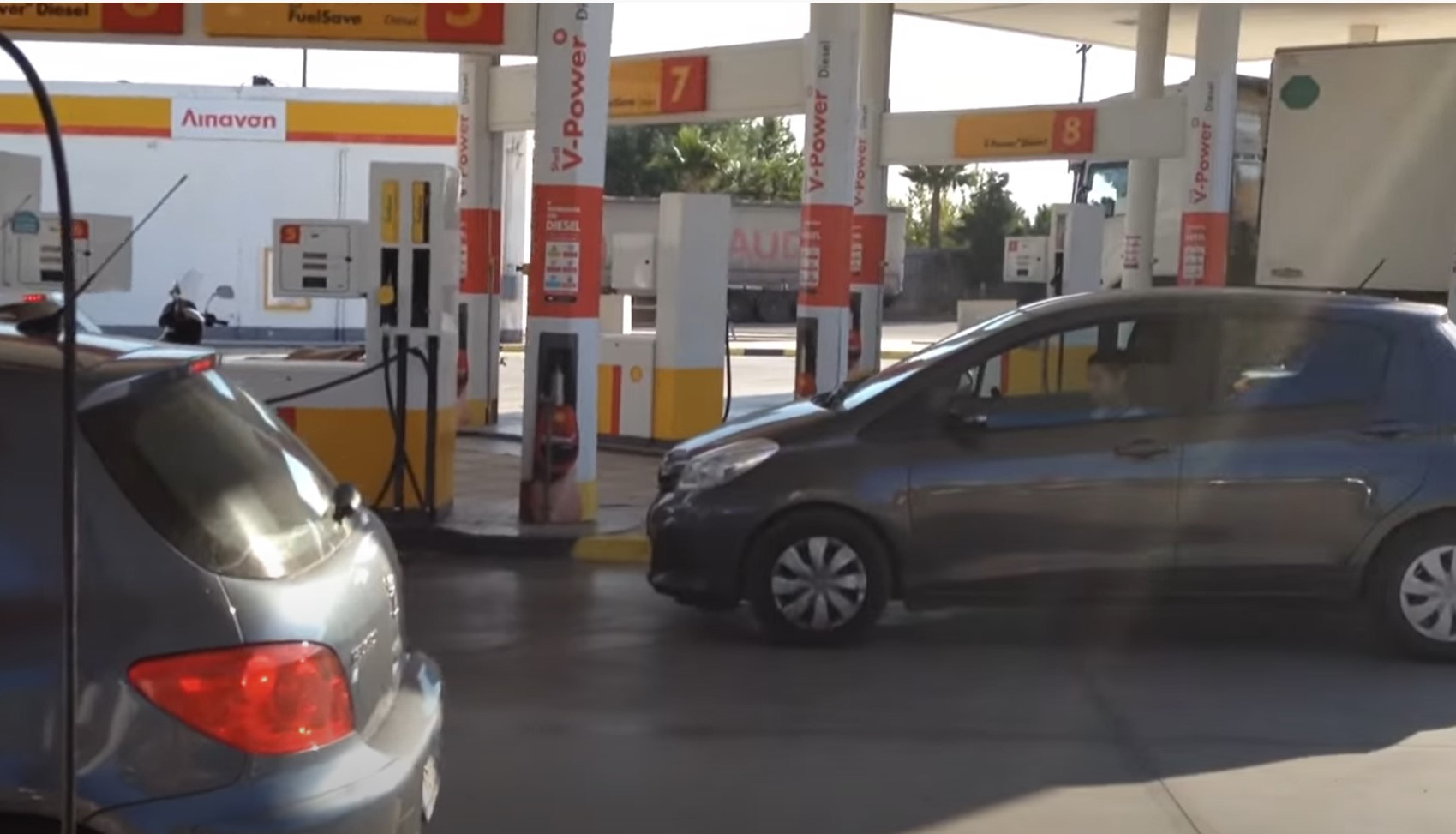
In parallel The refinery price for unleaded gasoline rose to 1.765 euros per liter, which means new price hikes at the pump and an average price per liter nationwide of over 2.3 euros.
Seeking fiscal space
Against this backdrop, the government is seeking fiscal space for new measures to support households and businesses, recognizing that fuel prices and high inflation are eroding household incomes and business revenue.
«I am optimistic that we will once again find fiscal space, as evidenced by the budget execution,» for measures to support households and businesses, said Finance Minister Christos Staikouras, noting, however, that he would not comment specifically on any future measures before consulting with the prime minister on priorities, as this is a collective effort by the government.
Speaking on the SKAI 100.3 radio station, the minister stated that «We need to stay in close touch with society, »we need to find fiscal space and return it to society.« He added, however, that »prudence and wisdom« are required, because “we are a unique country that We need to be very careful with our budget. There will be a primary deficit again this year; while public debt is sustainable, it is the highest in Europe, we are still under enhanced surveillance, and we do not have investment-grade status.».
What support measures are being considered?
With fuel prices skyrocketing, the government is considering a series of measures that will be implemented depending on the fiscal space that becomes available by the end of June. Specifically, the following measures are being considered:
- The reinstatement of the gasoline subsidy from 30 to 50 euros for everyone for one quarter, or alternatively, only for island residents and those traveling for vacation during the tourist season.
- A measure similar to the diesel fuel subsidy, namely gasoline subsidy at the pump at a price of more than 15 leptes per liter.
- Expansion of the transport equivalent, which aims to bring the cost of public transportation from mainland Greece to an island or from one island to another in line with the cost that would apply in mainland Greece for the same distance. The measure applies to the following islands: Agathonisi, Agios Efstratios, Alonnisos, Amorgos, Anafi, Antiparos, Astypalaia, Ios, Ikaria, Karpathos, Kasos, Kea, Kimolos, Kythira, Kythnos, Lipsi, Leros, Megisti, Milos, Nisyros, Patmos, Samothrace, Serifos, Sikinos, Sifnos, Skiathos, Skopelos, Skyros, Symi, Tilos, Folegandros, Fournoi, Halki, and Psara.
- Η a targeted reduction in either the VAT or the excise tax on specific small islands and with a three-month timeframe.