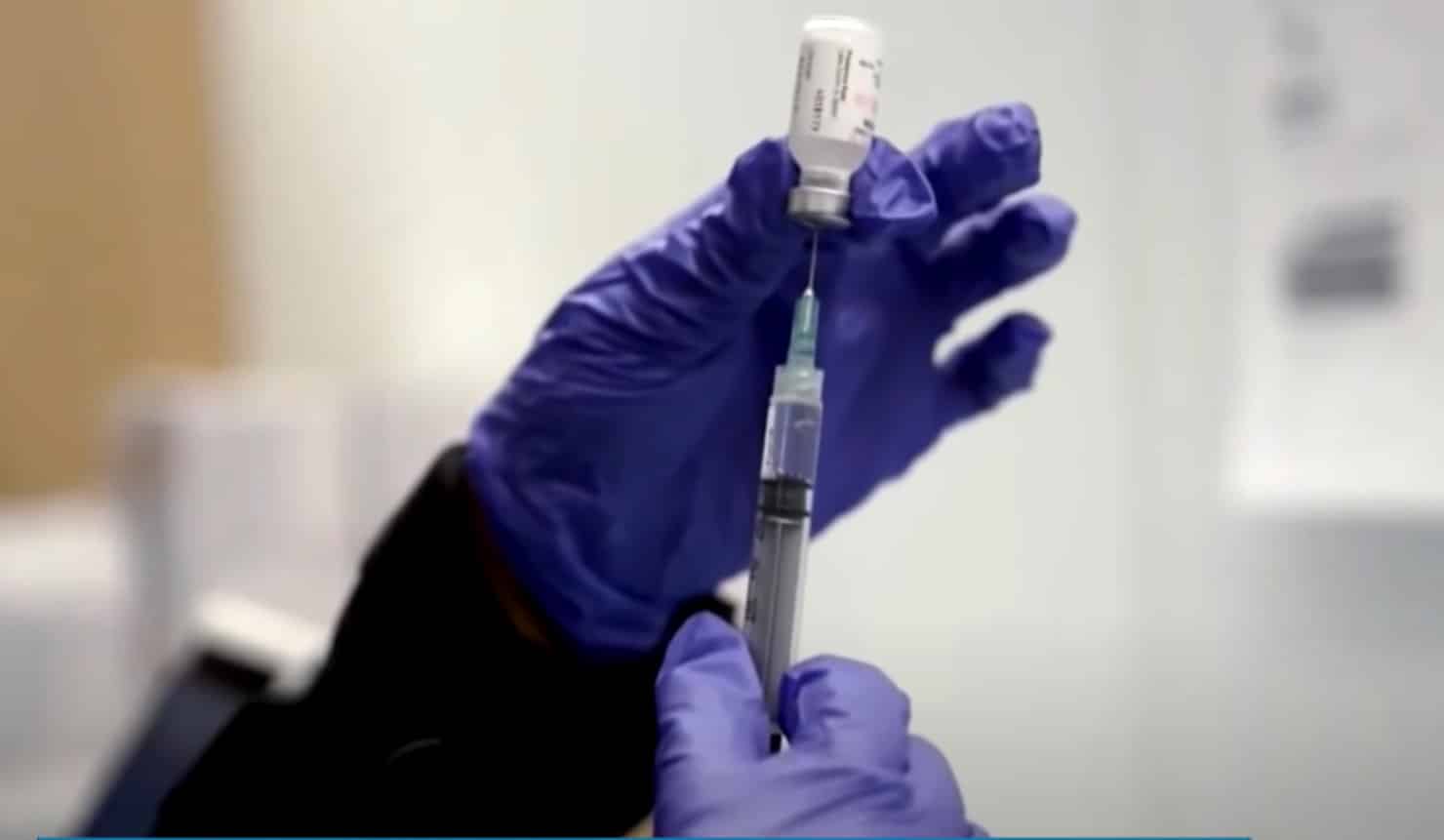
Just three days after a similar announcement of Pfizer, and the US biotechnology company, Moderna, made known that the mRNA its Covid-19 vaccine - at lower doses than for adults - appears to be well tolerated and to trigger a strong immune response in children aged 6 to 11 years.
The announcement was based on the results so far of a randomised, placebo-controlled, placebo-controlled, «blinded» phase 2/3 clinical trial, called KidCOVE, of its vaccine in 4,753 children, some of whom received two doses of the vaccine 28 days apart. Each dose was about half (50 micrograms) that given to adults.
It was found that the children produced neutralising antibodies about one and a half times higher than the levels in young adults who had taken the full dose. The company stated that some «mild to moderate» side effects were seen in children, such as fatigue, headaches, fever and some pain at the injection site, i.e. similar symptoms to those in some adolescents and adults. Children will continue to be followed for 12 months after the second dose to assess the safety and efficacy of the vaccine over a longer period of time.
Pfizer announced the other day that its own Covid-19 vaccine - also at a lower dose - had an efficacy of almost 91% against symptomatic infection in children aged five to 11 years in its trials. The company has already submitted a request for emergency licensing of its vaccine for children under 12, something Moderna is about to do to both the Food and Drug Administration (FDA) and the European Medicines Agency (EMA).
Moderna has already submitted a request to the FDA for emergency approval of its vaccine for adolescents 12-17 years old. So far, the FDA has approved Moderna's vaccine in people over 18 years old, and Pfizer's in people over 12 years old.