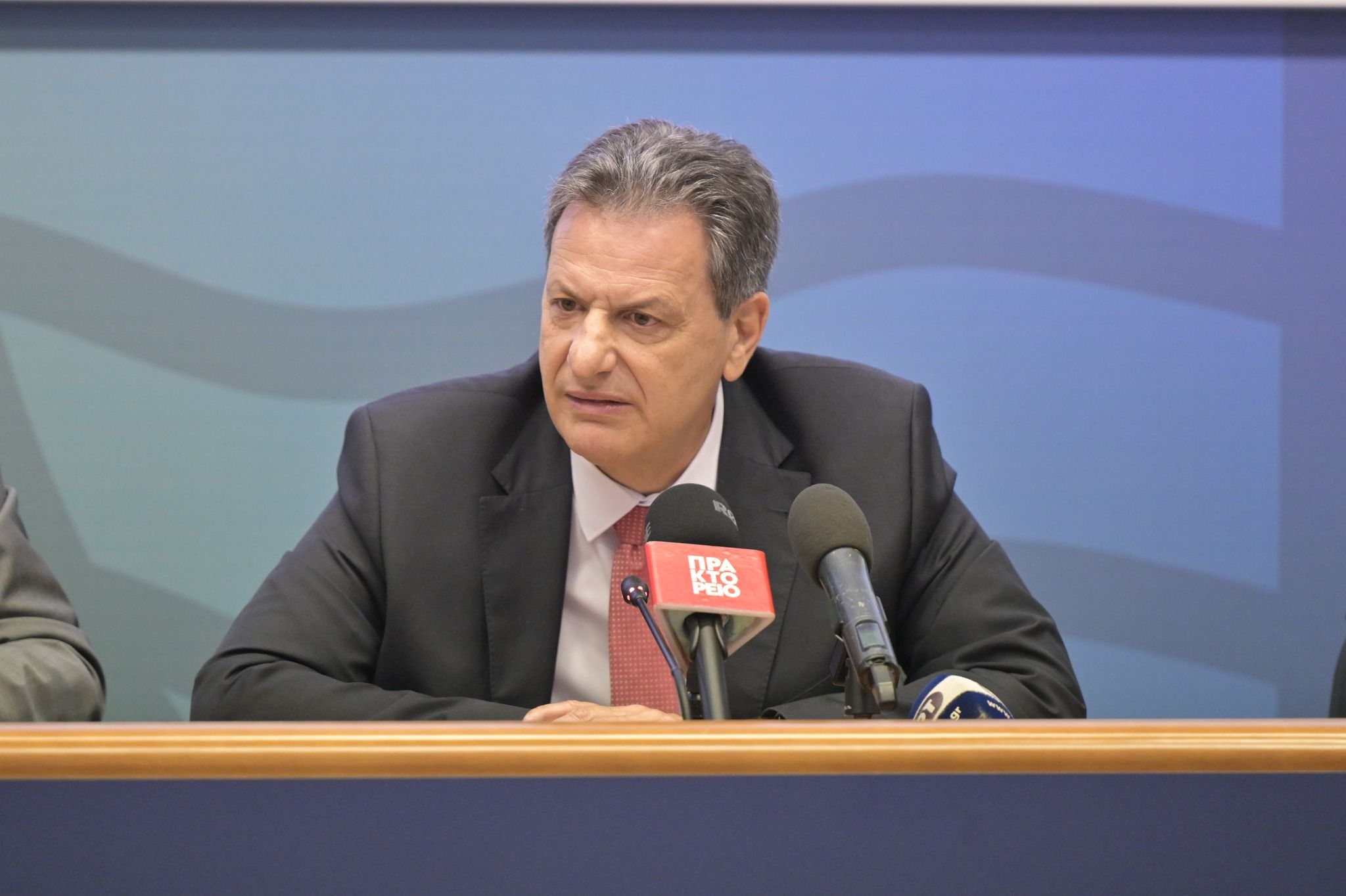
Another cubbyhole by the Mitsotakis government in an attempt to clean up the mess with the fire protection regulations of properties in or near forest areas, while the wave of reactions is growing. After the furore and the intervention of the Ombudsman, Theo Skylakakis spoke of indicative and not mandatory measures for this year.
The Ministry of Environment and Energy, in total confusion, trying to put the blame back on «individual responsibility», initially gave an «informal» extension for the submission of the technical report by the engineers until June 21 (which, however, has not been reflected in writing in a ministerial decision), and now, in view of the European elections, appears to back down on the obligations of the owners.
In particular, the competent minister, Theo Skylakakis in a press conference said that the submission of the technical report - which is estimated to cost about 500 euros per property - in the first phase will contain indicative measures and not mandatory, which will relate exclusively to the cleaning of the surrounding area and not the shell or the fence.
«The specifications of technical studies of fire protection, set by the Ministry of Environment are indicative and not mandatory,» said Mr. Skylakakis.
In his description, these are the prunings and their removal along with other combustible materials that can act as tinder (e.g., firewood). It even claimed that the definition of the indicative measures is referred to in an amending EIS.
Asked about the letter of the Ombudsman, Mr.Skylakakis turned his arrows to the Ombudsman, noting that everyone has the right to exercise his powers, something for which he is judged.
The Ombudsman empties the government
Recalled that in a letter to the Minister of Environment Theodoros Skylakakis, the Ombudsman, Andreas Pottakis criticized the government policy regarding fire protection measures imposed on property owners with the threat of large fines. As he points out, the state «is not constitutionally acceptable (Articles 24 and 17 of the Constitution) to pass on, to a large extent, the responsibilities of protecting property and the environment from fires to private individuals, with excessively burdensome financial terms for them».
«The contested EIA infringes the constitutionally guaranteed right to property», stresses, as the costs of implementing mandatory fire safety measures are exorbitant and those citizens who cannot pay them will be forced to choose the option of transferring their properties or will be liable to pay high administrative fines.
It also recalls that with the responsibility of the State «there remain properties within forest and reforestation areas which, even if they have been declared arbitrary by final judgment, shall not be demolished».
It concludes that the EIS «will lead to an excessive financial burden on citizens and in any case, existing properties should be exempted from the application of these provisions».