Spells were originally simple, small rituals of harmless folk magic involving magical chants accompanied by various mimetic gestures, which were believed to have an effect on various illnesses, which the people imagined as malevolent beings, like demons.
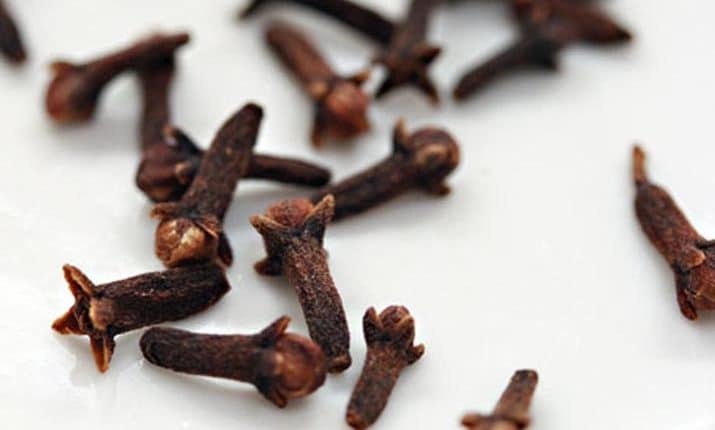
In this process, they used cloves, sunflower seeds, bay leaves, marjoram, daisies, mint, lavender, and more.
With the advancement of civilization and the spread of Christianity, all that remained of the hymns were the words spoken in a whisper—words that are usually invocations of divine power and the saints, and are accompanied primarily by the sign of the cross.
In Kythira, spells were mainly cast to treat the evil eye (baskania), erysipelas (rizibila), a pimple in the eye, on finger sores, on “astera” (severe abdominal pain), and on “aftra” (sores in the mouth and on the tongue).
The spell cast by the elderly women of Tsirigoti was performed as follows. They would take a burning charcoal from the fire, cross it, and recite the spell:
«The priest from Mothoni is coming down to Koroni"
hungry, thirsty, and soaked to the skin
and he bent down to drink some water, and the aftra fell into the water.
»Last night there were stars and moonlight; this morning, neither stars nor moonlight."
Next, they would extinguish the charcoal in a glass of water. This was repeated three times. At the end, the sick person had to take three sips of the water. This ritual was performed on the doorstep of the house so that the stars could be seen.
They had the following charm for the star:
«Stera, stera, my love, dark-haired one,
Your leaves are dark, and your shadow is dark too.
Three bowls are hanging on the child's wall.
Eat honey, drink milk, and leave the child’s bed alone.