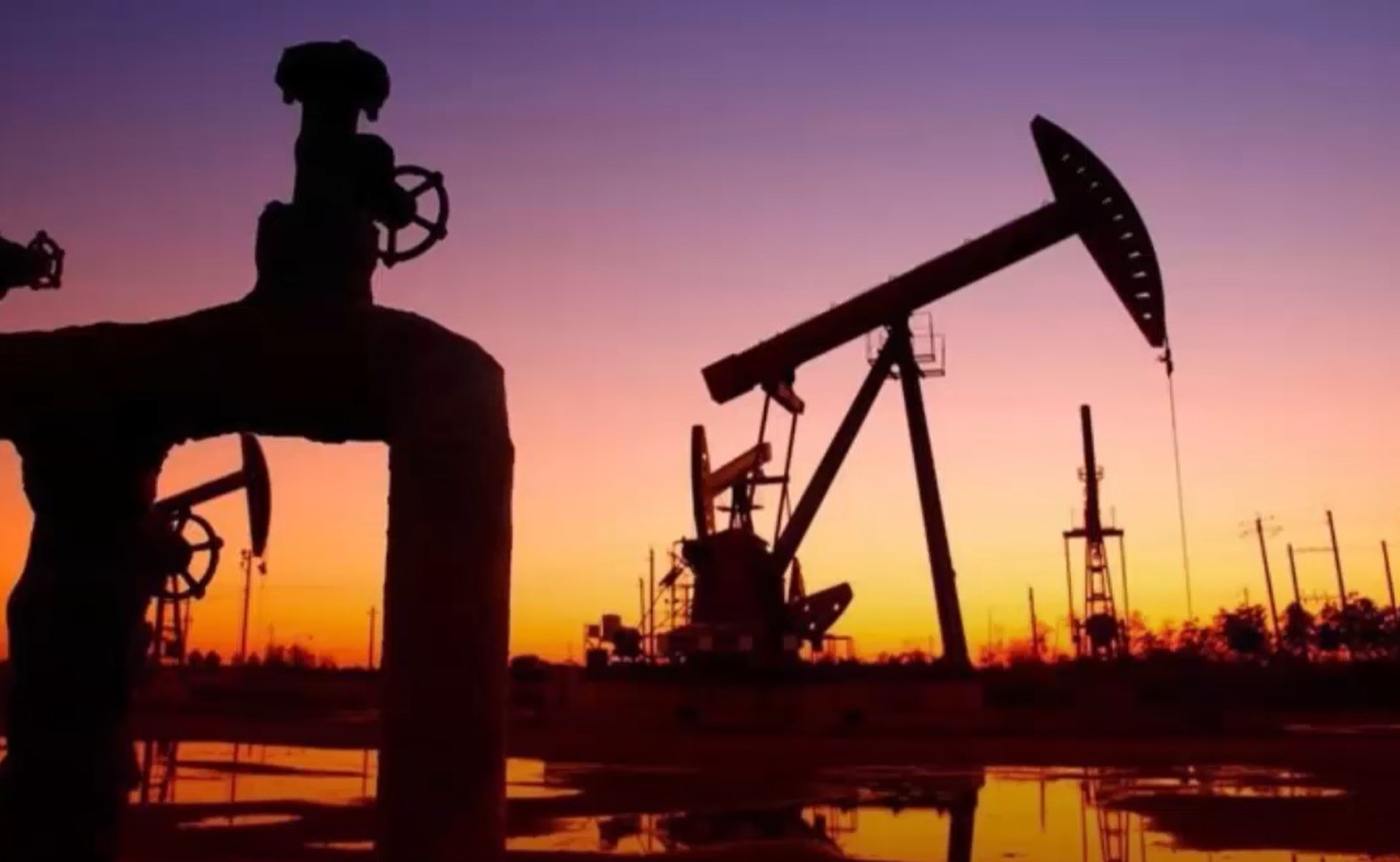
The government is set to announce initiatives to accelerate natural gas exploration in the Ionian Sea – in the first phase – and Crete, which have been granted for exploration. The aim is to take advantage of the «window of opportunity» created by the current situation to locate and exploit Greek reserves, but also to reverse the image of delays that had been created in previous years.
The initiatives will aim to achieve:
- Seismic surveys, which provide the first indications of the possible existence of deposits, in 1-2 years, i.e. in 2023-2024.
Exploratory drilling, which will confirm the size and economic viability of the deposits in 3-4 years (2025-2026) and
Start of natural gas production in 6-7 years (2028-2029).
As pointed out by relevant officials at the Athens-Macedonian News Agency, the targets are realistic if one considers the time it took to start exploiting deposits in other countries in the region, such as Egypt and Israel. They also cite the example of Hellenic Petroleum, which carried out seismic surveys in areas of the Ionian Sea in February within a few weeks.
However, cooperation between all parties involved will be required to overcome the current obstacles, while time is pressing not only because of the crisis but also because of the EU's anti-pollution policy, which continues to aim at independence from hydrocarbons.
Speaking at the Power & Gas Forum conference on Thursday, the CEO of the Hellenic Hydrocarbon Resources Management Company, Aristides Stefatos, emphasized that the timing is favorable for accelerating hydrocarbon exploration and exploitation, as factors that were recently considered disadvantages for investors have now turned into advantages.
The rise in prices, the increase in natural gas use in Greece and the wider region in the coming years, the network of existing and new pipeline interconnections with neighboring countries, Greece's geographical location between the eastern Mediterranean and Europe, the country's strong infrastructure (natural gas transmission system, liquefied natural gas infrastructure, refineries, shipyards, prospects for natural gas and carbon dioxide storage, etc.) and the ability to offer investors a diversified portfolio of investments, from renewable sources to fossil fuels, are some of these advantages.
According to EDEY, «the potential value of Greece's natural gas reserves could generate a turnover exceeding €250 billion, supporting the process of replacing coal with natural gas in the wider region and accelerating the transition to a more sustainable low-carbon energy system.” This would support the process of replacing coal with natural gas in the wider region and accelerate the transition to a more sustainable, low-carbon energy system.".
At the same conference, however, Energean's Managing Director and Country Manager in Greece, Katerina Sardi, referred to long-standing delays that are hindering the exploration and exploitation of Greek reserves. «The signs are positive, the prospects for locating and exploiting deposits in Greece are significant, but they require research, significant investment by operators, long-term political will and social consensus, a stable regulatory framework, and coordinated operation at all levels of administration,» said Ms. Sardi, adding: «It makes no sense for an operator to have a signed and legally binding contract for the exploration and development of deposits in an area when in practice it is canceled either by the labyrinthine bureaucratic procedures at the central or local administrative level or by the reluctance, reaction, or even the expectation of local vested interests to reap temporary benefits from their involvement in the process of executing a contract.».
The success of the research will bring significant economic benefits (investment, employment, revenue for the state), reduce energy dependence, and lower costs. It is indicative that, as Ms. Sardi mentioned, Energean in Israel, where it is active in hydrocarbon production, has signed contracts to sell natural gas at €12-13 per megawatt hour. By comparison, the stock market price of natural gas in the Netherlands, which is used as a benchmark for the Greek market, is now around €120 per megawatt hour, i.e. ten times higher, while in early March it exceeded €200.
Mr. Voutsadakis