New data in the heating subsidy brings the decision that is in the pipeline and is expected to be published in a gazette in the coming days.
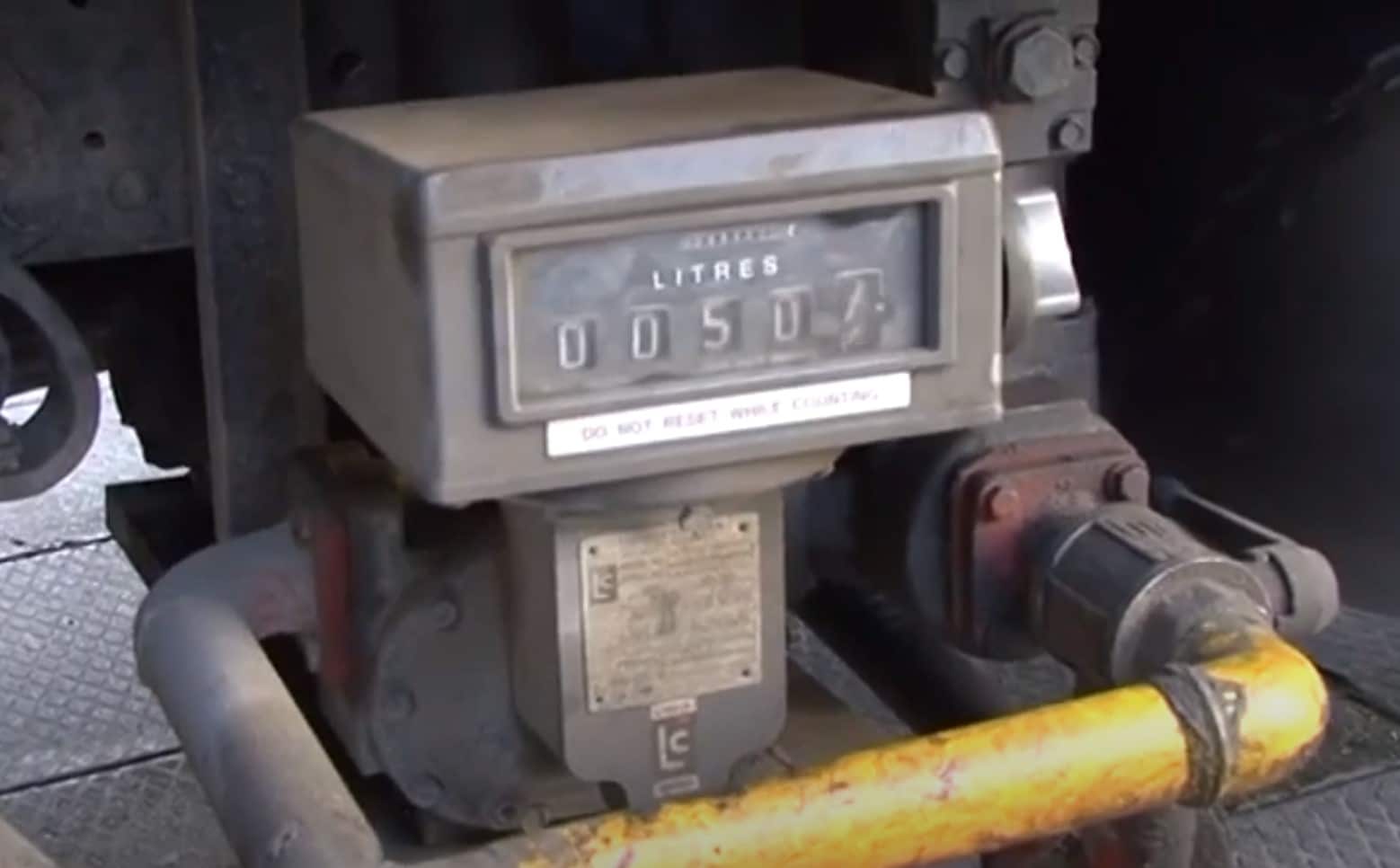
Specifically, according to information from competent sources, the Ministry of Finance seeks with the “grid” of criteria to spread a wider net of protection to citizens and to reinforce the shift from gas and electricity to heating actions with oil and even ... blue kerosene.
So based on the draft Ministerial Decision, the beneficiaries of the subsidy are divided into 3 categories:
- In the first group are the old beneficiaries, i.e. those who received the allowance last year. For those who had oil last year as a heating fuel and will have the same fuel again this year, there will be an increased allowance.
- In the second group are those who got the allowance last year by having gas burners. If this year, these same beneficiaries spend this year on oil, they will receive double this year's increased allowance.
It is worth noting that for both categories of old beneficiaries, the following will apply the extended income limits (€16,000 for a single person, €24,000 for a married person, €3,000 increase for each child), so that they do not lose the allowance due to an increase in income. - In the third category are the new beneficiaries, i.e. those applying for the first time. For them will apply last year's income limits (14,000 euros for unmarried, 20,000 euros for married couples, an increase of 3,000 euros for each child). The aim is through this regulation to pass on heating oil to those who last year had electricity for heating and were excluded from the subsidy.
They will, in fact, have double this year's increased allowance. In fact, according to competent sources, the fiscal effect of their inclusion in the subsidy is neutral, because by buying oil, they pay 0.28 euros per liter and 24% VAT (electricity is charged with 0.0022 €/kWh and 6% VAT).
Changes for the better are also expected in the property criteria, so that the allowance is not lost due to an increase in property values. Thus, the limit for unmarried persons rises to 200,000 euros, from 180,000 euros today.
Furthermore the basic allowance will rise to EUR 350 this year (up from 300 euros last year) and varies according to the specific rate (grade days) applicable in each region. These coefficients remain the same as last year, when the new scoring system was introduced. The maximum amount of allowance that can be received this year is €800, or €1,600 for those entitled to a double allowance.
Another difference from last year in the grant procedure is that no advance payment of an allowance will be made to last year's beneficiaries. The online platform will open in November and the large volume of payments will be completed in December.
The allowance will cover this year and those who use kerosene for an oil stove.