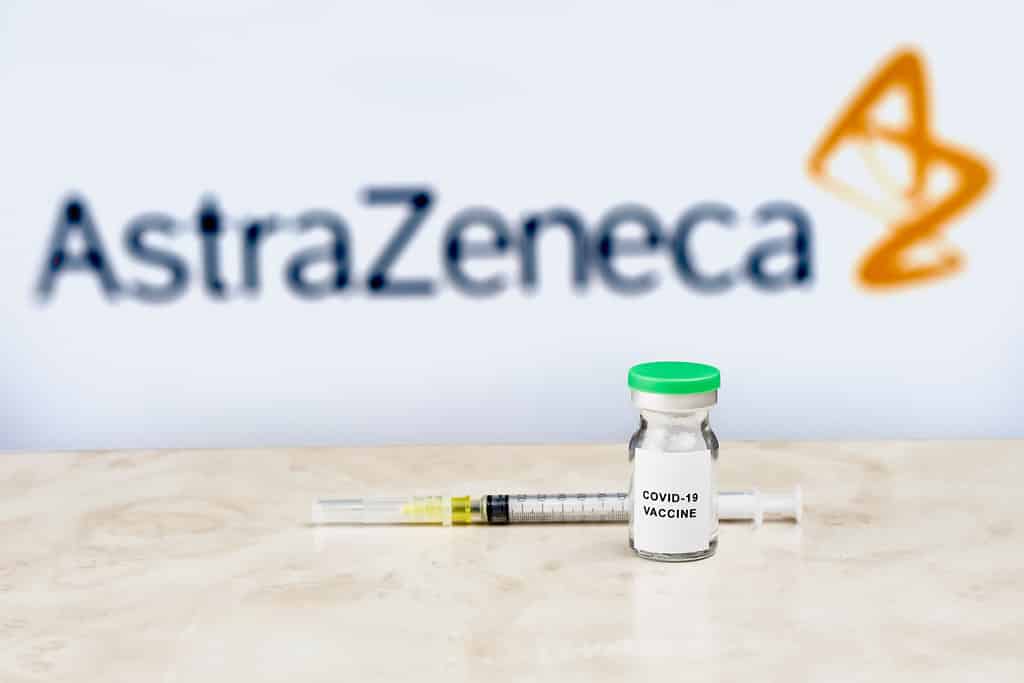
The confusion among citizens regarding the risks of administering the vaccine of AstraZeneca, heightens fear and caution towards the vaccine, even though data show that one in six vaccinations in the country has been carried out with this vaccine.
The following is a chronicle of the main milestones in the course of the formulation in Greece so far.
- At its meeting on 5 February, the National Commission for Vaccination unanimously decided that the AstraZeneca vaccine should be administered to citizens aged between 18 and 64 years.
- On April 10, the meeting of the National Vaccination Committee unanimously decided to administer the AstraZeneca vaccine to citizens aged 30 to 64 years old.
- On 15 April, the 60-64 age platform for this formulation opens, but with little response from the public. With this in mind, it is decided, on the 27th of the same month, to extend the vaccination coverage to 30-39 and 2 days later, to 40-44 age groups.
In the same period, we had reports in the international press about side effects of the vaccine, many of which concerned thromboses observed several days after the dose was administered, which put the vaccinees at serious risk.
Quite belatedly, yesterday, the National Vaccination Committee and the Pharmacovigilance Committee of the Greek Food and Drug Administration announced some very specific data on the vaccine in question. Decoding the relevant announcements of the Commission, through the words of its chairman, Professor Emeritus Maria Theodoridou, we find some additional truths about vaccination with the AstraZeneca vaccine:
- Since the start of vaccinations against coronavirus in our country, on 27 December 2020, a total of 5,156,736 vaccine doses have been administered to date, including 905,915 doses of AstraZeneca's Vaxzevria vaccine, i.e. 17.6% or one in 6 vaccinations.
- To date, 5 cases of the rare thrombosis-thrombocytopenia syndrome (TTS) have been recorded after administration of the AstraZeneca vaccine. Of these cases, 4 occurred in women aged 36, 44, 47 and 61 years and one in a man aged 35 years. One patient recovered and was discharged from the hospital, 3 were hospitalized and one woman unfortunately ended her life.
- In comparison, it is noted that in the last two months, 62 women aged 30 to 49 years were admitted to the ICU for complications of COVID-19 and 28 died.
- The Commission notes that the estimated risk of developing TTS following vaccination with the AstraZeneca vaccine is higher in women younger than 50 years of age.
- In addition, the Commission notes that mRNA vaccines that have not been associated with the risk of TTS are available to people of all ages. We comment here that although mRNA vaccines are not “recommended”, in essence it is stated that if a woman feels insecure with AstraZeneca or Johnson $ Johnson, it is better to choose another.
- For the second dose, it is recommended to continue vaccination with the same vaccine, since the occurrence of TTS is extremely rare after the second dose of the vaccine. For example, in the United Kingdom, out of a total of 9,000,000 second instalments, 15 cases were recorded.
- Changing the second dose with a different type of vaccine is recommended only in case of a thromboembolic episode with or without thrombocytopenia after the first dose.
To summarise the above, we can see that despite the failures - especially communication failures - the health authorities insist on the use of the AstraZeneca vaccine and are confident that they would not risk the health of citizens.
At the same time, it is known that side effects are found in all vaccines, but the focus has been on this one, which raises strong questions.