Polygala helenae Greuter
The genus polygala It includes more than 500 species, many of which are exceptionally striking and are grown as ornamental plants. Linnaeus named the genus after the Greek words for “many” and “milk,” perhaps influenced by the ancient belief that animals fed on such plants produced more milk.
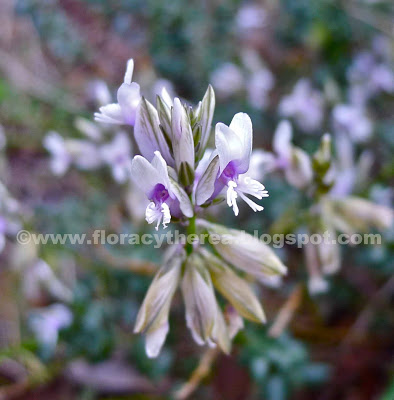
The famous Polygala helenae, Helen’s Polygala, one of the smallest members of the genus, is strictly endemic to Kythira. It was described by the renowned botanist Greuter in the 1960s. It is one of the 50 rarest and most endangered species in the Mediterranean.
It has been classified as CR (Critically Endangered) according to the criteria of the IUCN Red List because, as far as we know, is limited to only two small areas on Kythira, which are under significant pressure from wildfires and tourism development. Unfortunately, the plant is not included in any international or national protection lists, which means it has been left to fend for itself. (G. Iatrou, University of Patras)
In 1753, Linnaeus named the genus after the Greek words for “much” and “milk,” perhaps influenced by the ancient belief that animals fed on certain plants produced more mmilk.
Some species are used in traditional Eastern medicine as a powerful tonic on par with ginseng. The plant’s root is believed to strengthen a person’s willpower and drive to achieve lofty goals, helping to combat old habits and mental rigidity.