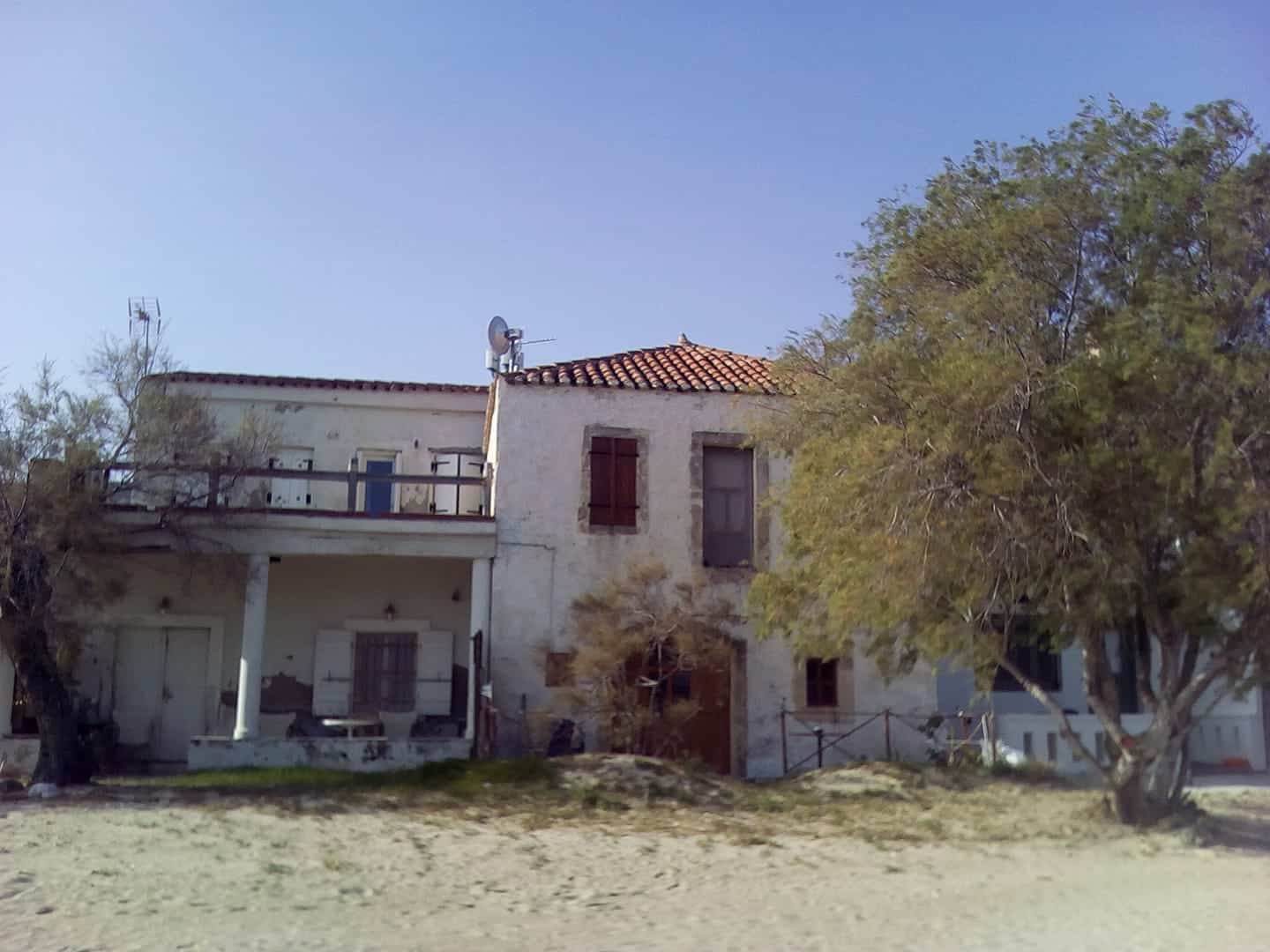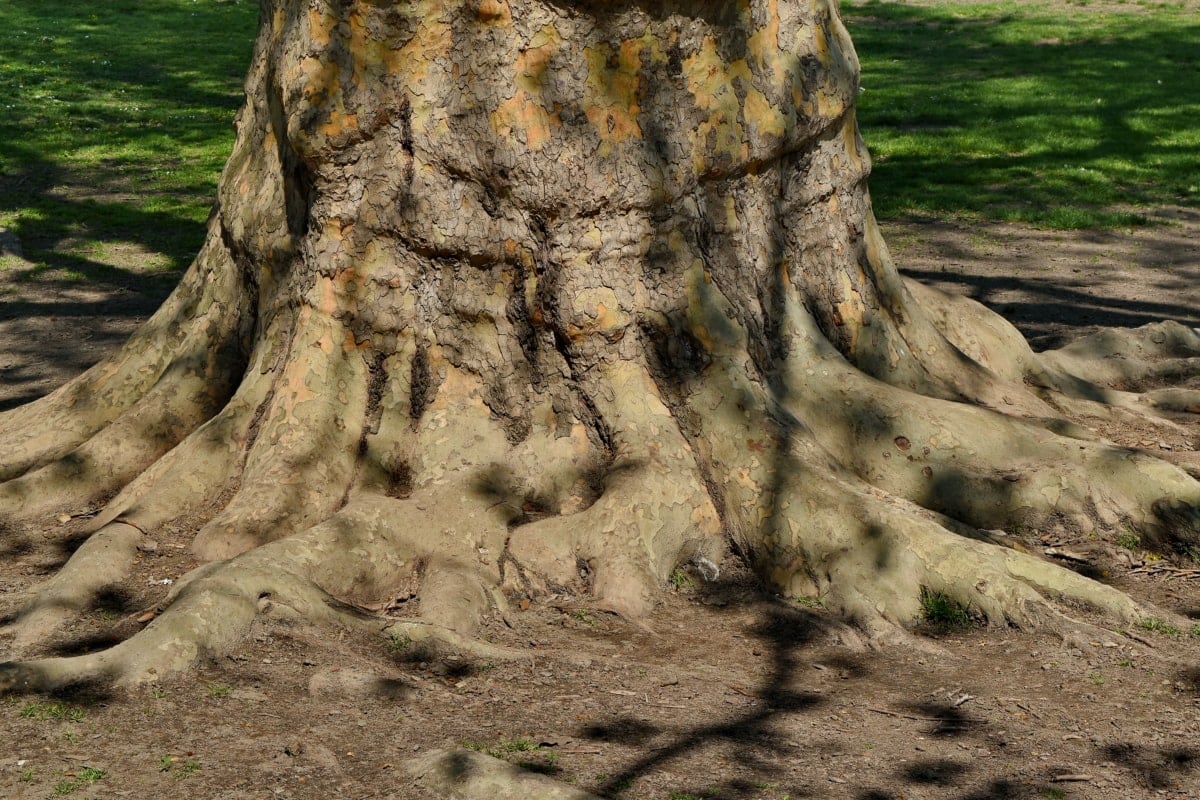
Wild witnesses of events related to the Greek Revolution of 1821 or the Turkish rule, there have been many trees in Greece that most of the time «tell» bloody stories, since from their branches hung fighters.
These monumental trees were the subject of a project of a student of the Department of Forestry and Natural Environment Management of the Agricultural University of Athens, Nikos Belekha, in the course of the assistant professor George Fotiadis.
«The student, who is in his 4th year, was based on folklore data and on the little other information that exists about the monumental trees, where estimates are mainly made about their age», Mr.
Mr. Belechas identified such monumental trees in his research in 36 regions and it is detailed: the Botsaris plane tree in Kefalovryso Evrytania, the Leontitou plane tree in Argithea, the plane trees in Kompotades, the Karaiskakis prinus in Arachova, the Papaliava tree in Aitoloakarnania, the holly tree of St. George of Amalia, the oak of Doriza, the plane tree in Mavrolithari, the Turkish plane tree in the settlement of Trichoni, the oak tree in Agios Floros, the plane tree of Nafplio, the plane tree of Dimitsana, Papa's Prino in Crete, the plane tree in Agios Floros, the historical olive tree in Nafplio, the century-old olive trees in Dimaini, the Fourcolia in Sitia, the olive tree of Grabela in Anisaraki, Chania, the Driyas of Mandalini (oak) in the Heraklion area, the Splantzia plane tree in the city of Chania, the plane tree in Kyparissia, the Orsa olive in Salamina, the olive in Chora Trifyllia, the plane tree in the Holy Monastery of Agia Lavra, the Five Virgins' plane tree in Rethymno, the olive in the village of Palea Roumata in Crete, the ficus in the Garden of Chania, the plane tree of Pausanias in Aegio, the plane tree in Arta, the cypress in Prasia, Evritania, the monumental tree of Athanasios Diakos in Fokida, the plane tree in Vlatos, Chania, the plane tree of Taxiarchis in Lesvos, the plane trees of Ano Poroi in Serres, the plane trees in Veroia and the plane tree in Orfani.
«Historical» trees of Northern Greece
As the head of the Department of Greenery of the Municipality of Veroia reports to APE-MPE, Panagiotis Mantratzis, two old plane trees of the city of Veroia, which have been classified as Nature Monuments of Conservation by the Government Gazette (590/B/1977) grow in Orologiou Square and in Central Street (opposite the Old Metropolis of Veroia).
«In the first one, the Turks hanged Zisis Karademos and his sons Vassilis and Dimitris, after a battle at Arapitsa in Naoussa, for which there is an information sign on the tree. Also, under the plane tree the people of Veronica welcomed the liberating Greek Army in 1912. In the second plane tree, where there is also a relevant marking, they hung Metropolitan Arsenios during the occupation of Veroia by the Turks», says Mr.Mantratzis, clarifying that as officially recognized Monuments of Nature, in their management, the competent Forestry Department, in cooperation with the municipality of Veroia, is in charge.
Stergios Kalesis, owner of a traditional guesthouse in the area, referred to the stories that accompany the ancient plane trees of Ano Porrolia.
«The impressive trees played a decisive role in the removal of the Turkish population, who had moved further south to Kato Porroia (Asia Mahala, as it was then called). Wanting to have access to the waters of the Upper Porroia, which were crucial for irrigation and the operation of the water mills, they made an effort to resettle, but the locals with their myths about the existence of elves - fairies who lived in the springs and the plane trees, prevented them!», he recounts, adding that «younger residents, to our regret, are asking for strict pruning or even cutting them down since they built houses next to them afterwards and now they are disturbing them».
A memorial tree in Northern Greece, as recorded in the work, exists in Orfani, Kavala, where, according to tradition, monks from the monastery of Dionysusos were hanged in a still existing plane tree during the Revolution of 1821.
Plane trees are the most monumental trees
According to Nikos Belechas, the largest percentage, of 53%, of the monumental trees are plane trees, followed by olive trees (Oleaeuropaea, 19%), oaks (Quercus, 11%), holly (Quercuscoccifera, 8%) and just one cypress (Cupressussempervirens), one juniper (Juniperusfoetidissima) and one ficus (Ficuselastica).
«As the most important perhaps could be considered the plane tree of Holy Monastery of Agia Lavra, under which the oath (freedom or death) was taken by Paleo Patron Germanos for the start of the Revolution, on 23 March 1821. Other such important trees of the Revolution are the plane tree of Bottsari in Kefalovryso Evrytania, where during the battle of the same name the Markos Botsaris and the liner of the Karaiskakis, located in the church of Agios Georgios in Arachova, Boeotia, where tradition has it that it was the hideout of Karaiskakis during the Revolution of 1821».
However, it is «stories of rivalry between the two peoples that are told mainly by most of the trees that were found“, says the researcher, citing as an example the plane tree in Agios Floros in Messinia, where ”in the 17th and 18th the Turks carried out extensive hangings of Christians, the Arabs in 1825 hanged Yannis Flesas, Papaflessas» brother, but also, according to Fotakos« memoirs, in this plane tree Kolokotronis found six babies, which their mothers had left behind to escape the hunting of the “Arabs”.», as he says.
However, Mr. Belekhas also cites examples, even a few trees that «show the coexistence, the “common course” or even the prosperity of the two peoples, such as the ficus tree in the Municipal Garden of Chania, which was created by order of Reuf Pasha with a multitude of foreign species, like this particular species, which is believed to have been planted in 1870’.
«Folklore could not be missing», he continues, «and stories of love and love such as that of the olive tree of Orsa».
«This olive tree was named after a girl, Orsa, who in the 17th century loved a Turk while she was married and when her husband found out, he killed her.».