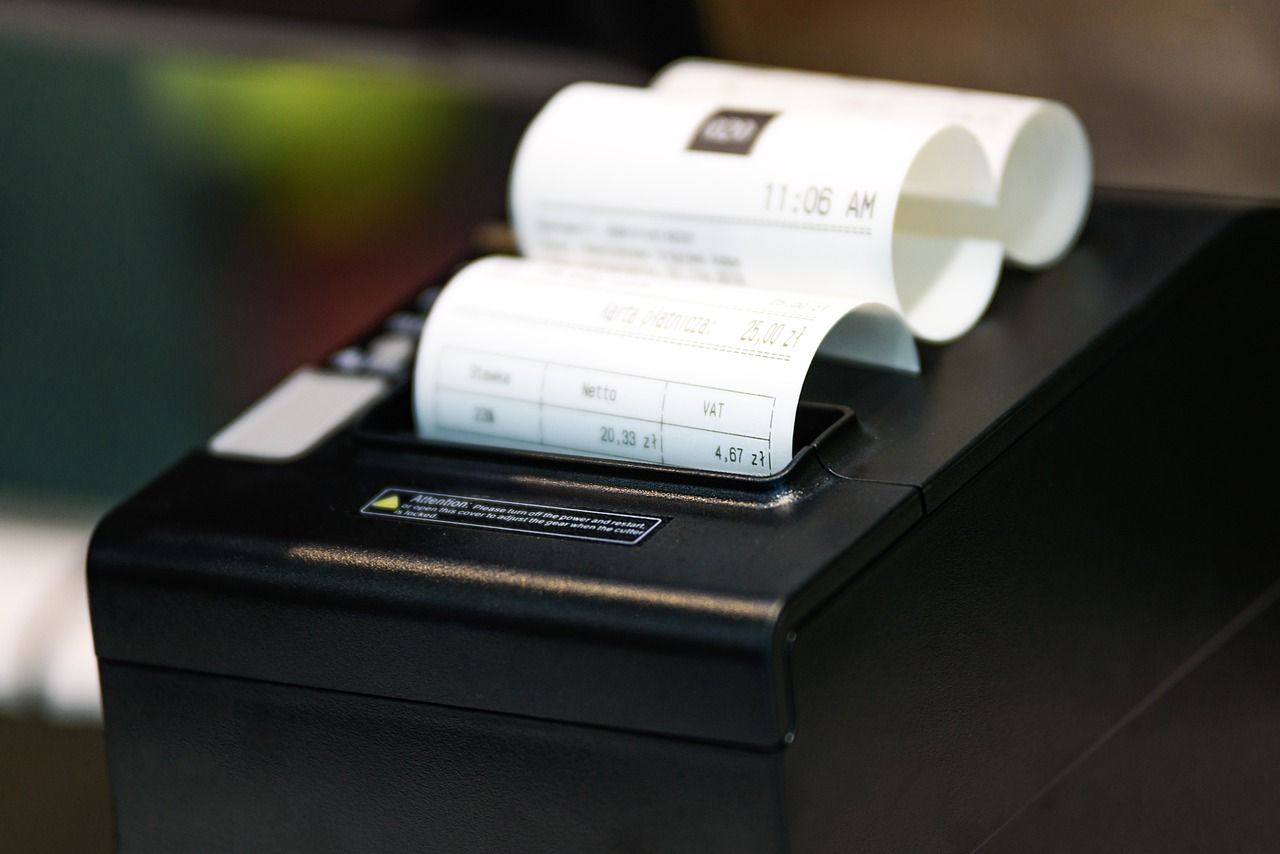
The possibility of reducing the percentage of electronic receipts requested is open below the 30% of income. The decision will be taken by the government in 2021 shortly before the submission of the returns.
According to the law, those who fail to collect the required evidence will be required to pay tax on the missing evidence at a rate of 22%.
For example, in the case where someone has to collect electronically receipts of EUR 3,000 and has presented EUR 2,000, they will pay a penalty on the difference, i.e. EUR 1,000.
The fine to be paid is (1,000 x 22%) EUR 220.
The measure applies to employees, pensioners, those with rental income (income earners), freelancers and farmers, who must collect through electronic transactions receipts equal to 30% of their income.
Although the government had announced that there would be incentives in 2020 for taxpayers to pay as much as possible with plastic money or e-banking, the pandemic and the increase in electronic transactions seem to have thwarted the announcement.
Government spokesman Stelios Petsas speaking on SKAI radio, although he said that at the moment the government is not ready to change the 30% threshold for e-receipts, he noted that «it is an issue of concern to the economic staff, for two reasons: first, in cases of pandemic, because people are not around, consumption falls, as we have seen, dramatically in recent months and secondly, while electronic transactions have increased, as expected, they have not increased to the level we would like. This is because neither consumers nor shops were ready.».
Specifically for retail businesses, he stressed that «there is a terrible reluctance to deliver products on time. Already, too many stores are announcing that they can't keep up with demand, and this is squeezing online transactions.» «So it's an issue that the economic staff is looking at, but we are not in a position at the moment to say anything more,» Stelios Petsas pointed out.
It is noted that 11 categories of citizens are exempt from the requirement to provide receipts (paper or electronic). For example, receipts are not required from taxpayers over 70 years of age, disabled persons with a disability rate above 80% and taxpayers permanently residing in villages with a population of up to 500 inhabitants and on islands with a population of less than 3,100 inhabitants, unless they are tourist destinations.
At the same time, the rate is limited to 20% for taxpayers who have spent on interest on loans, rent and taxes an amount above 60% of their actual income.