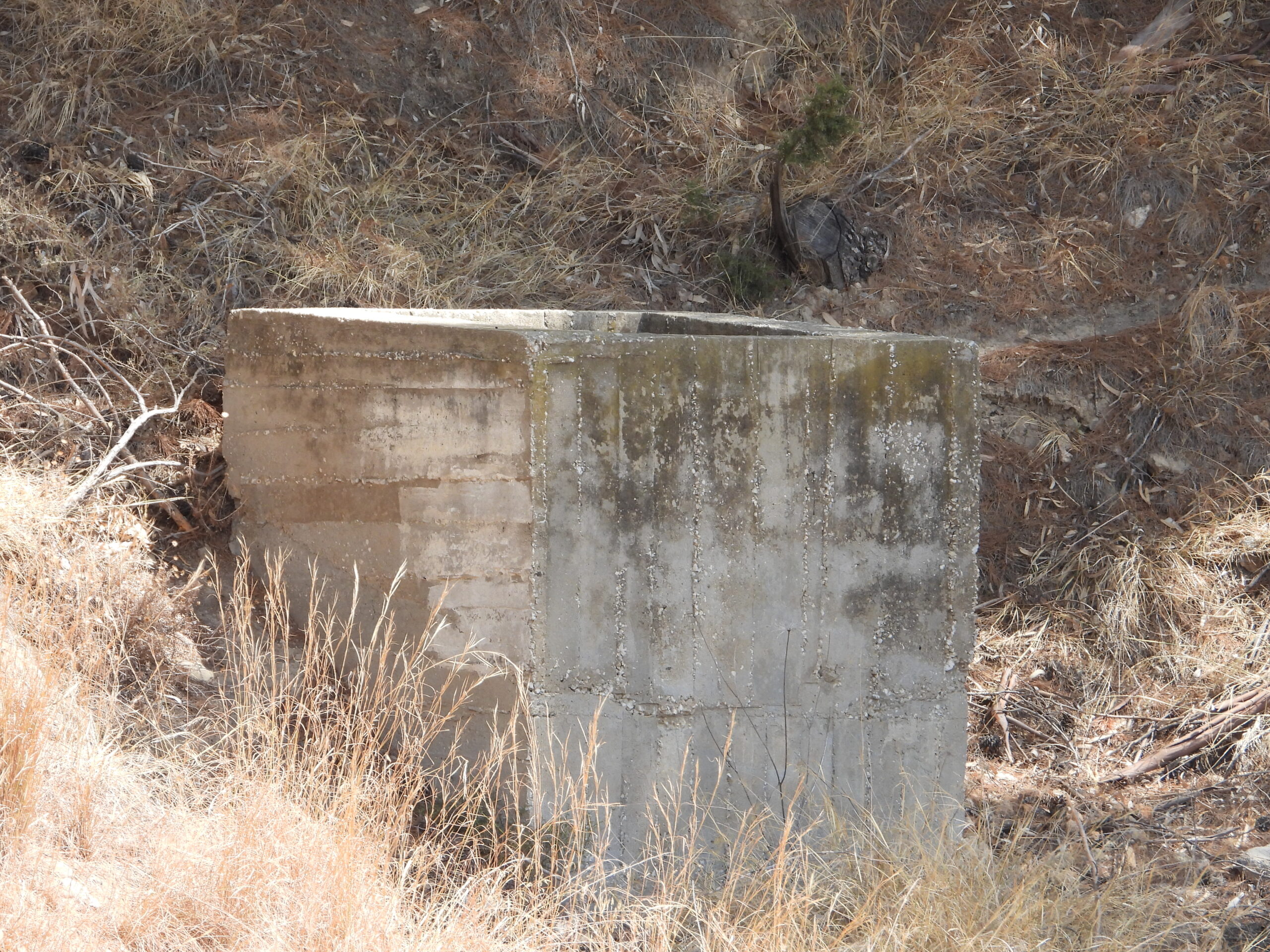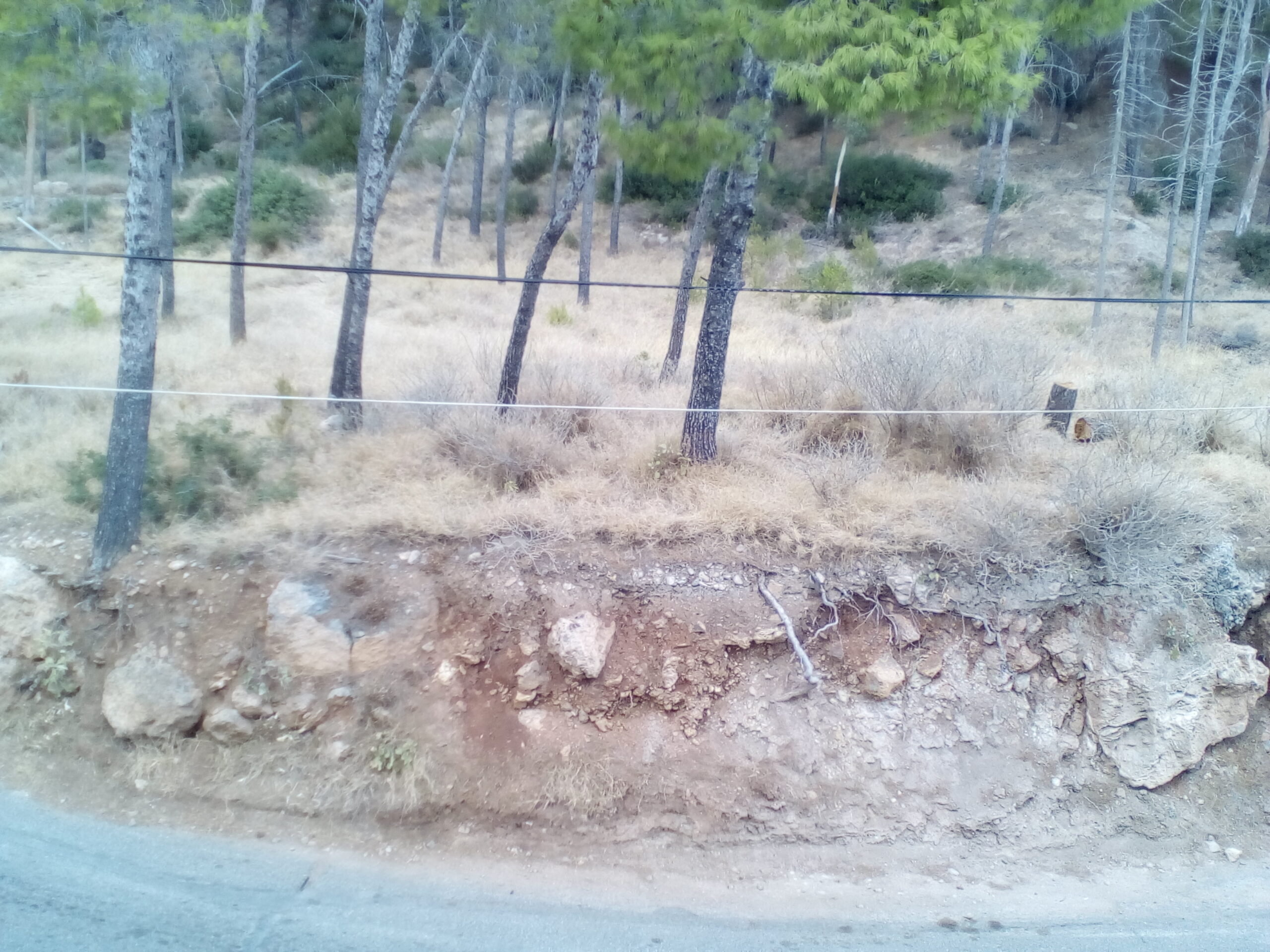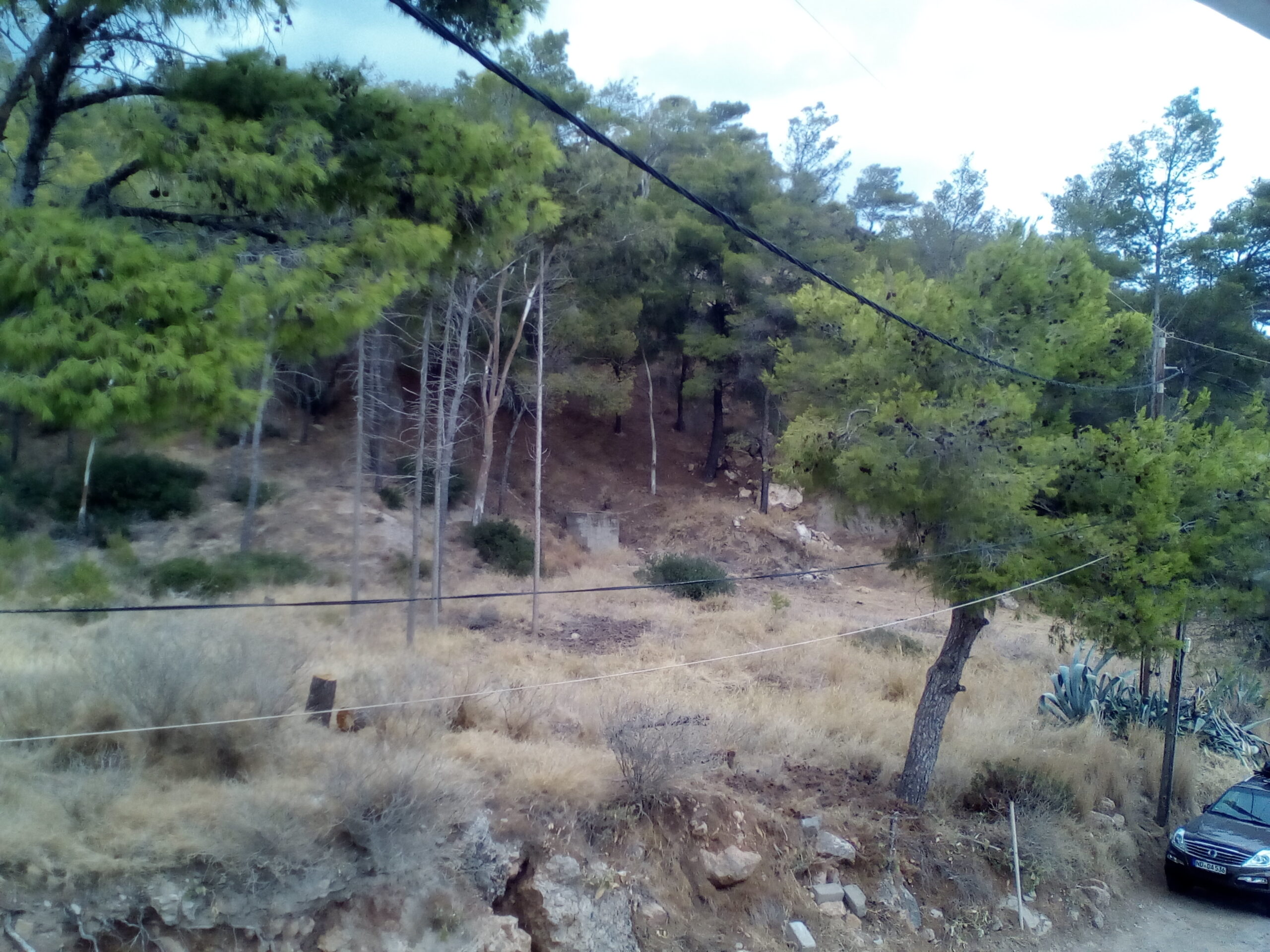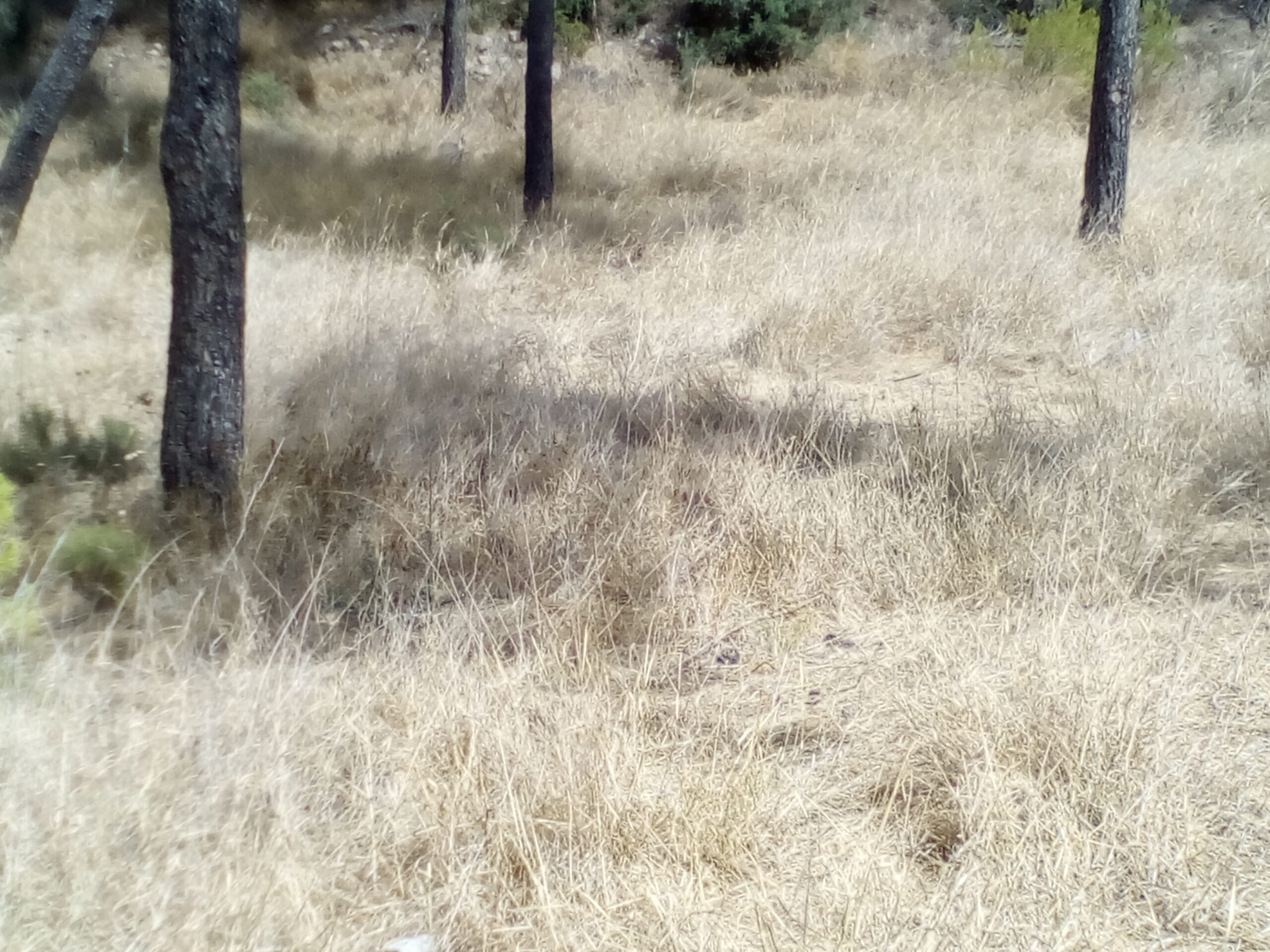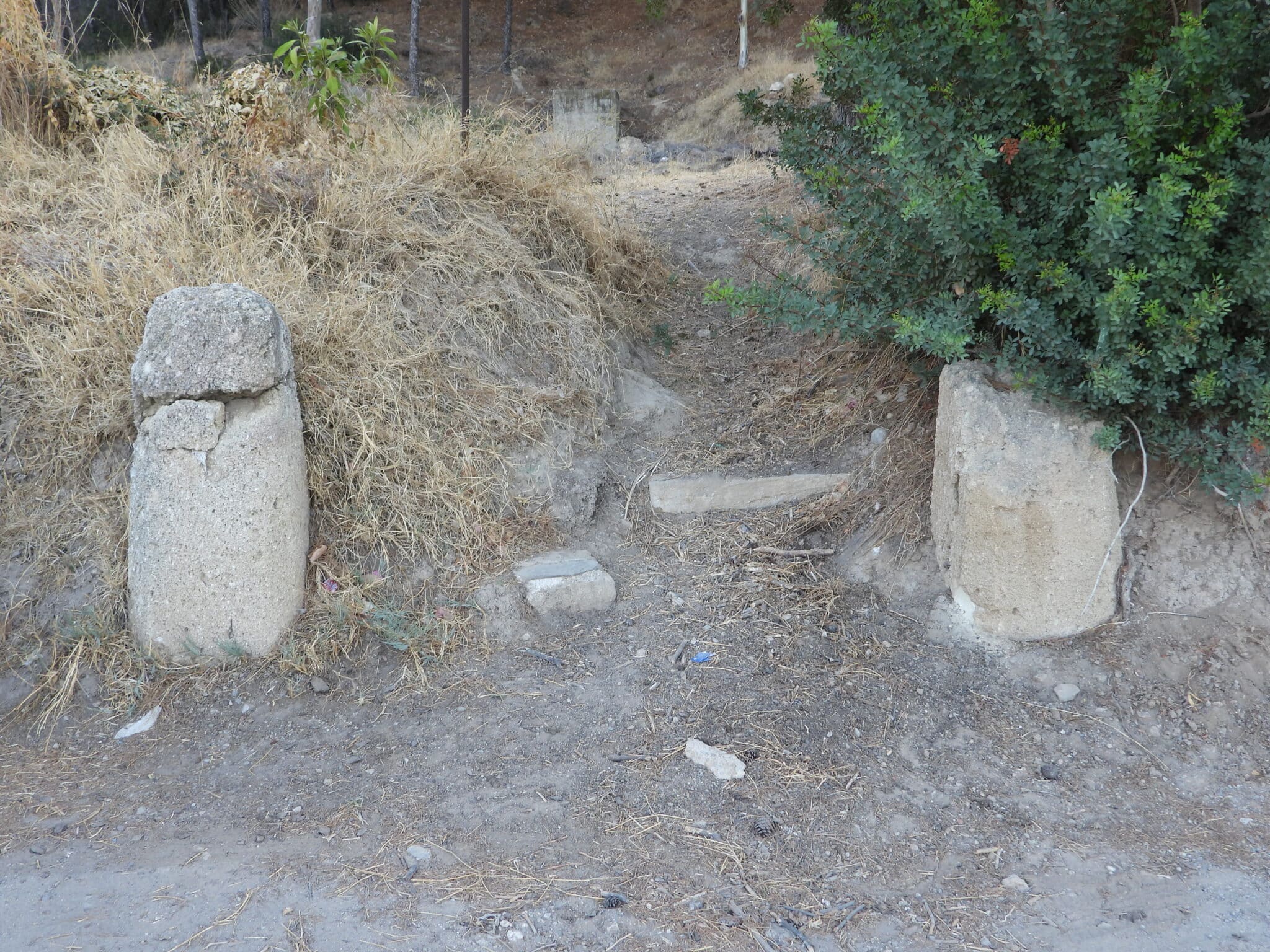
The place is the energy it carries. Energy, which is imprinted in its relief and anthropogeography. In this respect, the area of the Kapsali grove, captivates you at first sight.
There is something special about the energy of the place. It is not quantified, it is not visible to the naked eye, it is not valued as a measurable quantity. It is something you feel. That you experience it sensually.
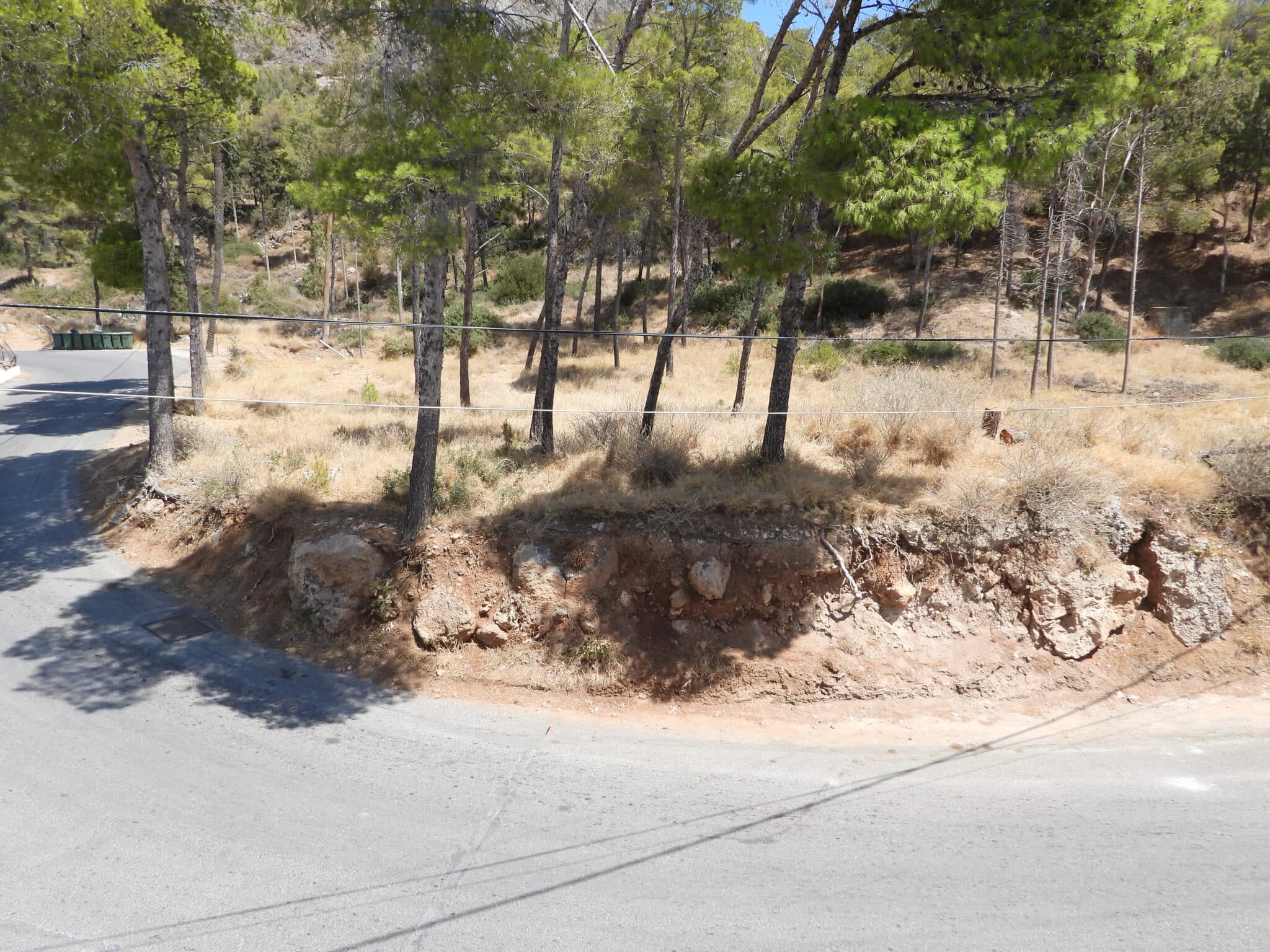
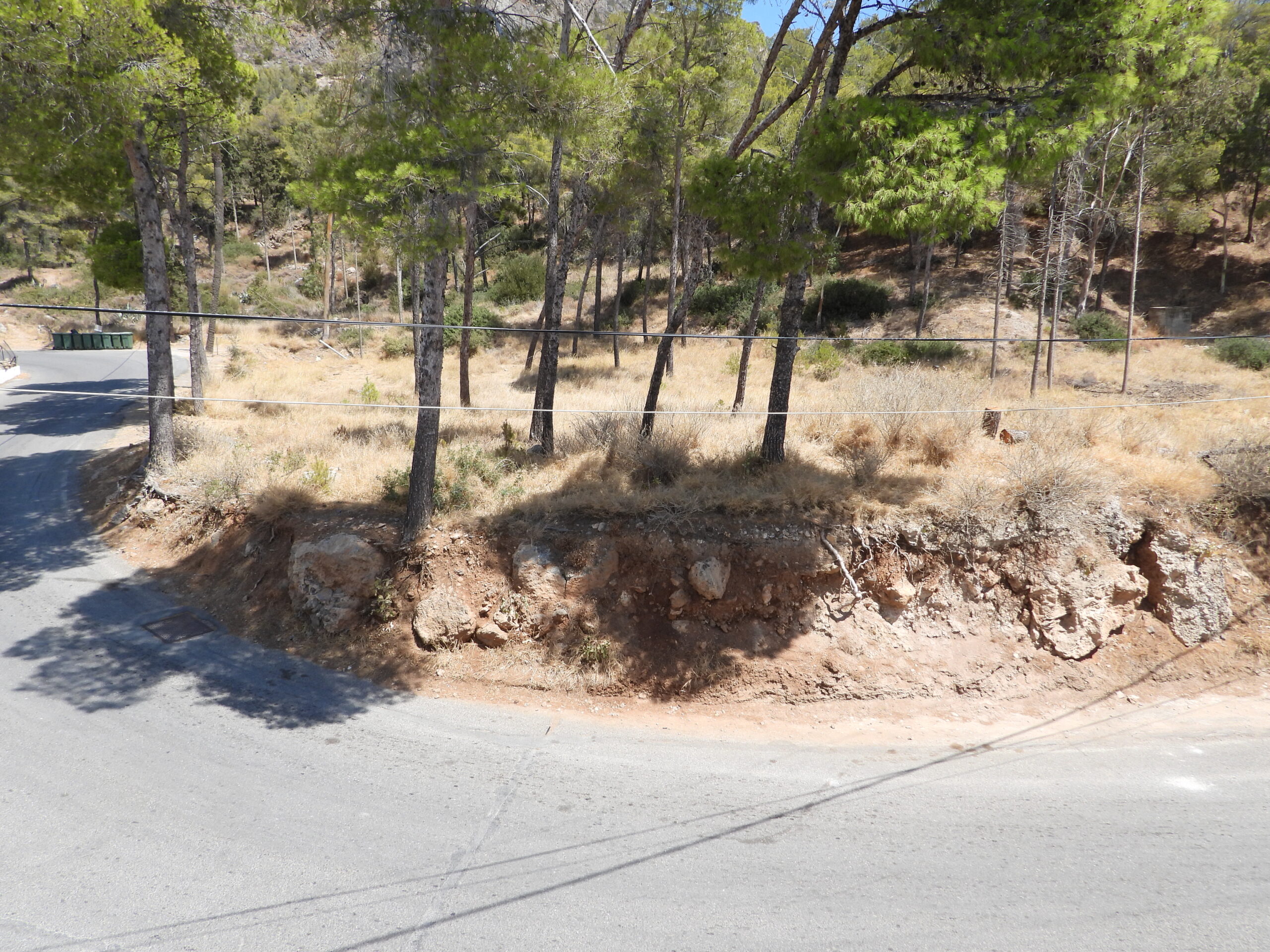
The pine-covered pocket that crowns the ravine, which extends from the St. John to the edge of the main road, it's mentally invigorating. It's that special ability of the pine tree to soothe. And at the same time, to feed the energy reservoir of dreamers.
The entire landscape is immersed in a theatricality that evokes other times. It could well have been home to a theatre in ancient times. As you walk through it, you can feel the breathless chants of the chorus in some lost tragedy by Sophocles still floating in the air. And then you realize that it is not the fate of all the lost to remain forever curled up in oblivion. Somewhere, somehow, sometime, everything comes to light again. Either as a memory. Or as empathy.
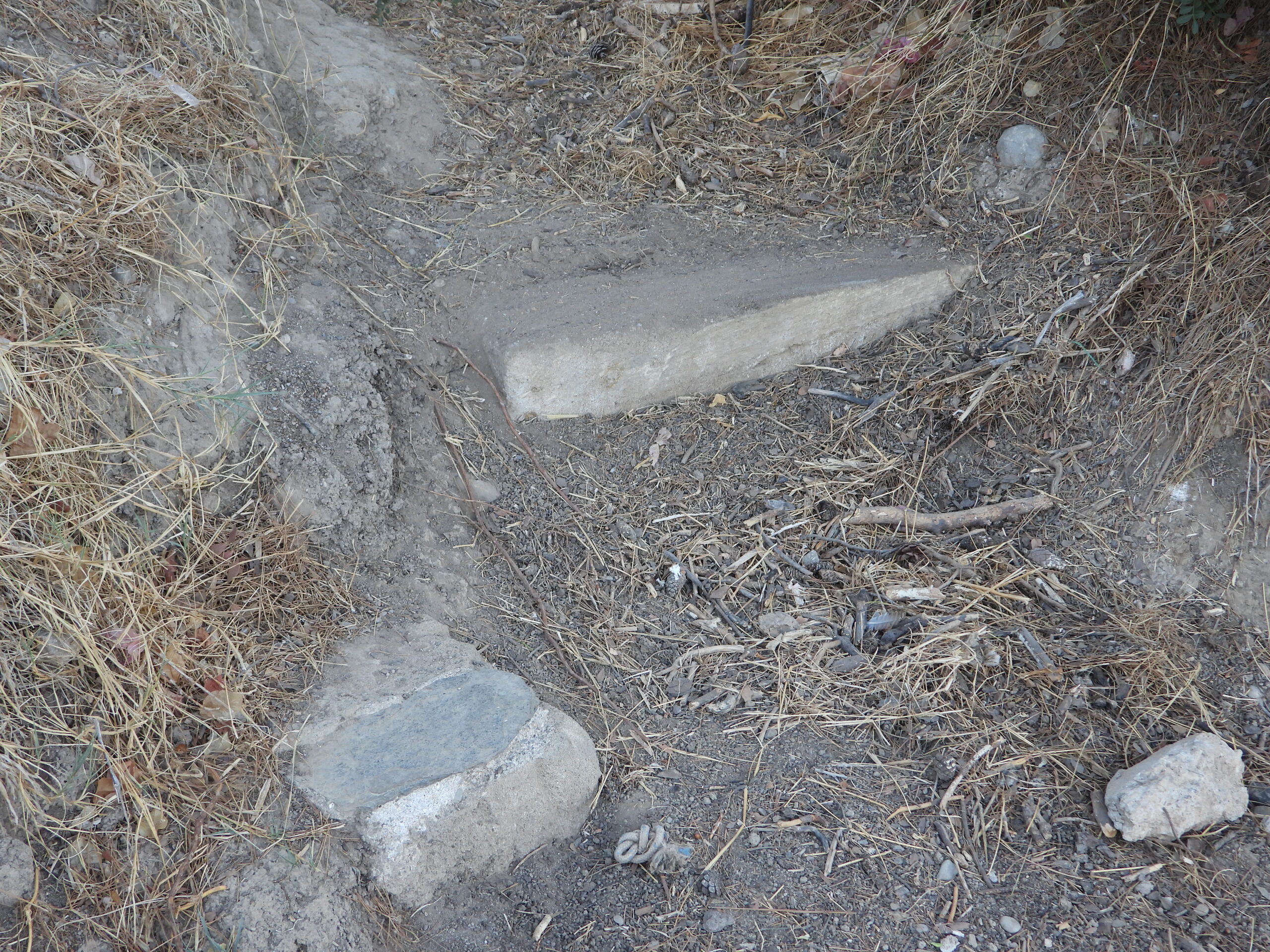
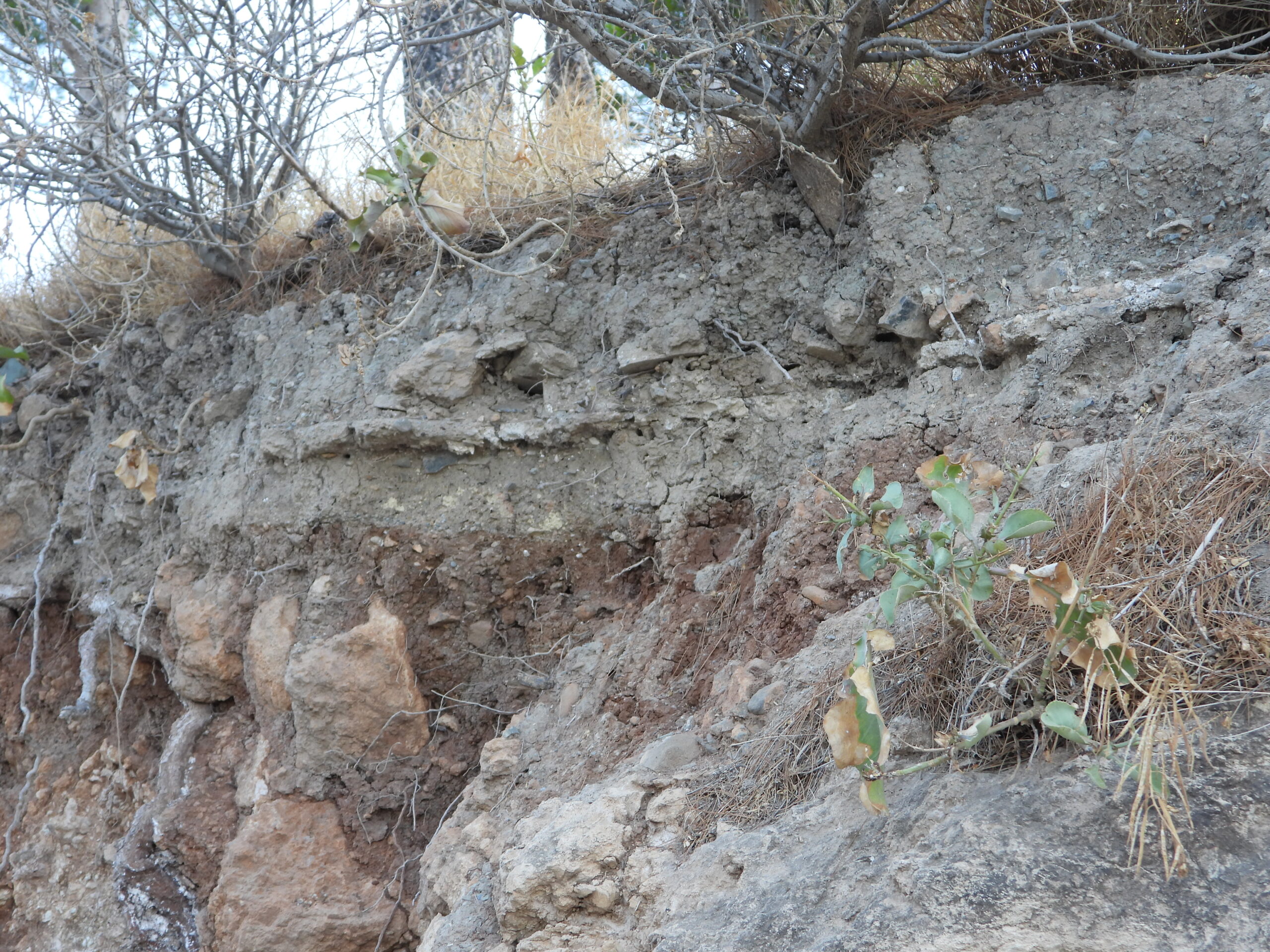
After all, it is through memory and empathy that we define our identification with the place. Even though it has been eroded, as a result of geological rearrangements, alluvial deposits, with plenty of overlay of piles of dry grass, left to chance, due to the indifference of some.
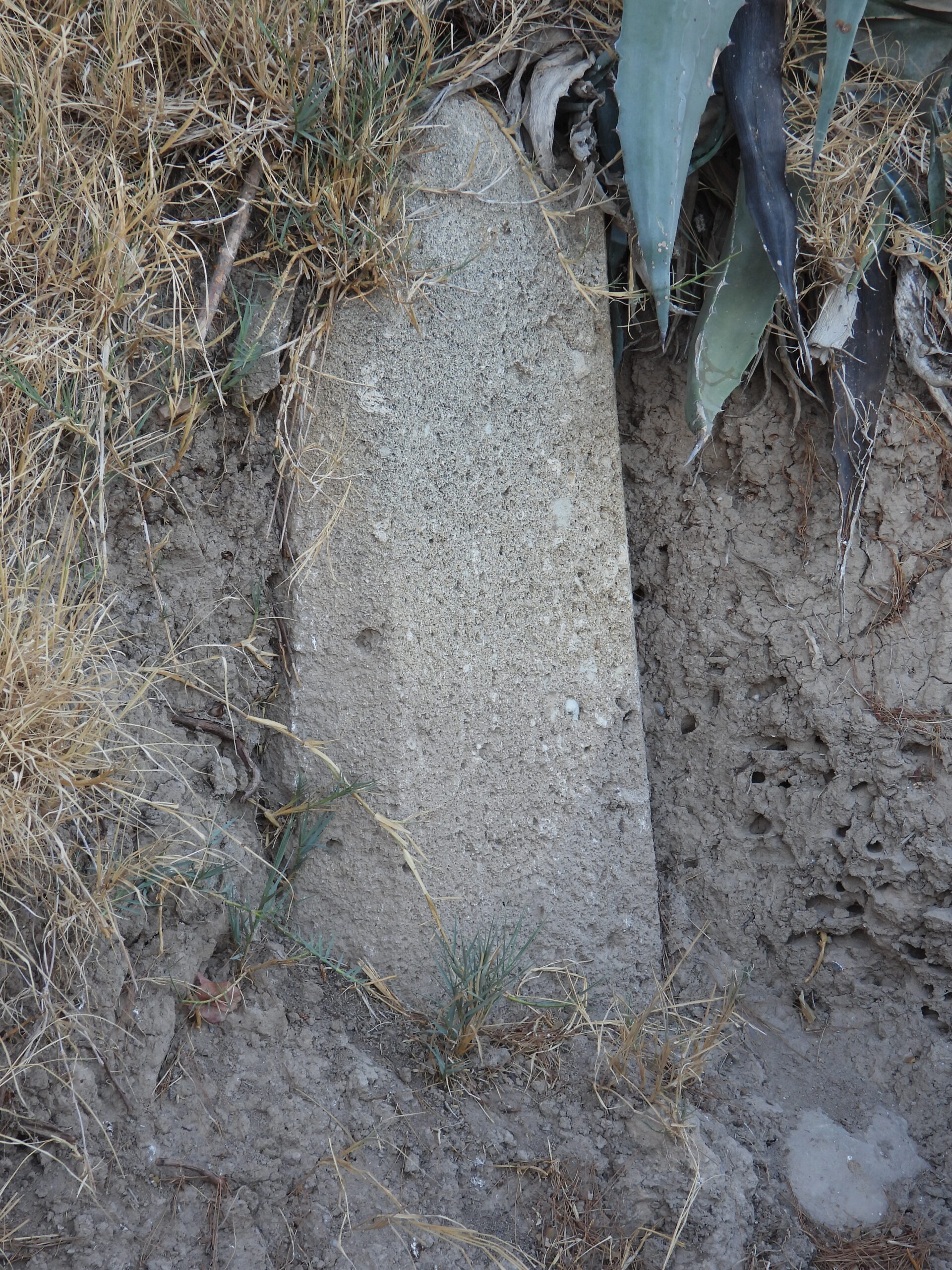
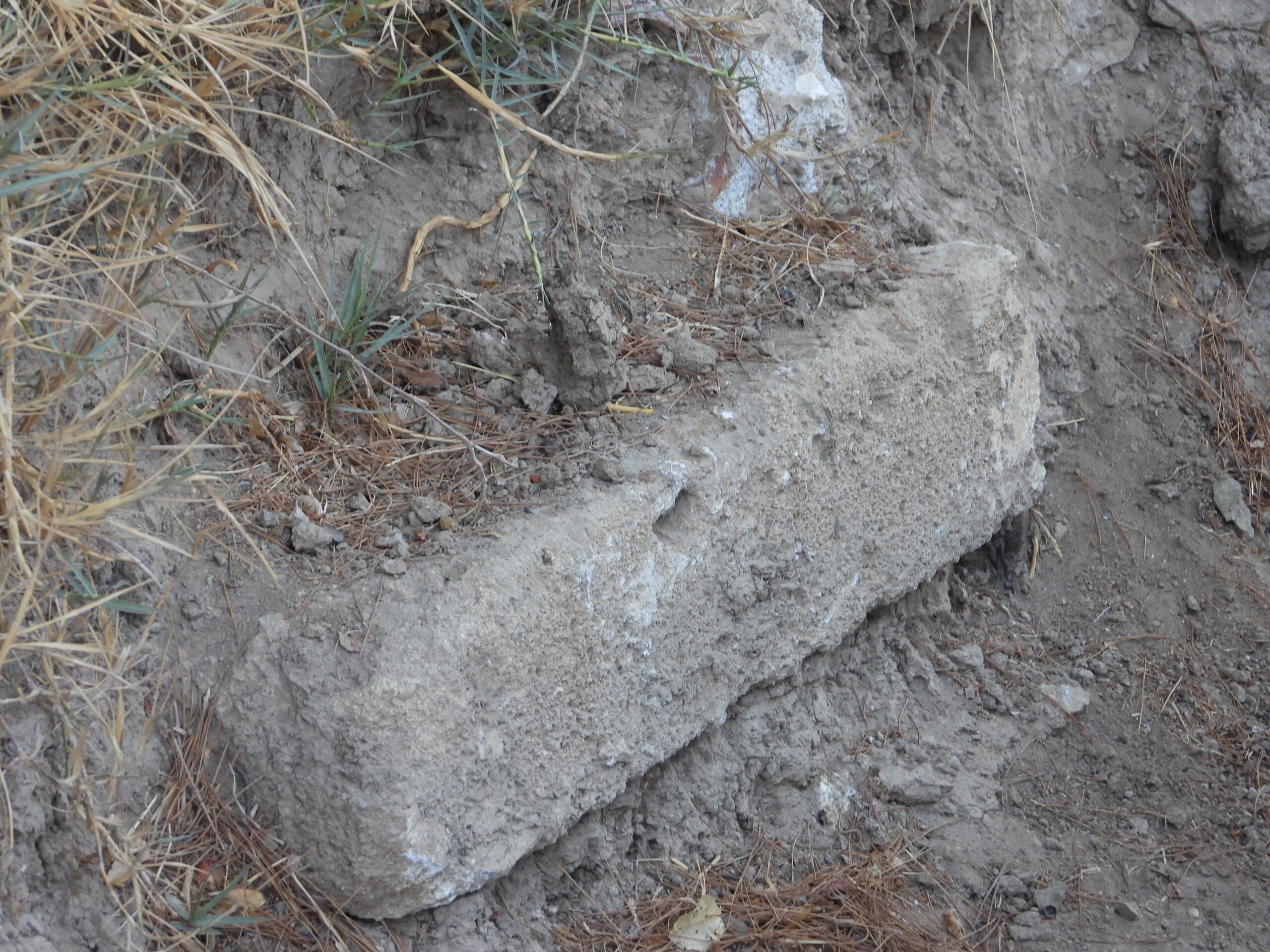
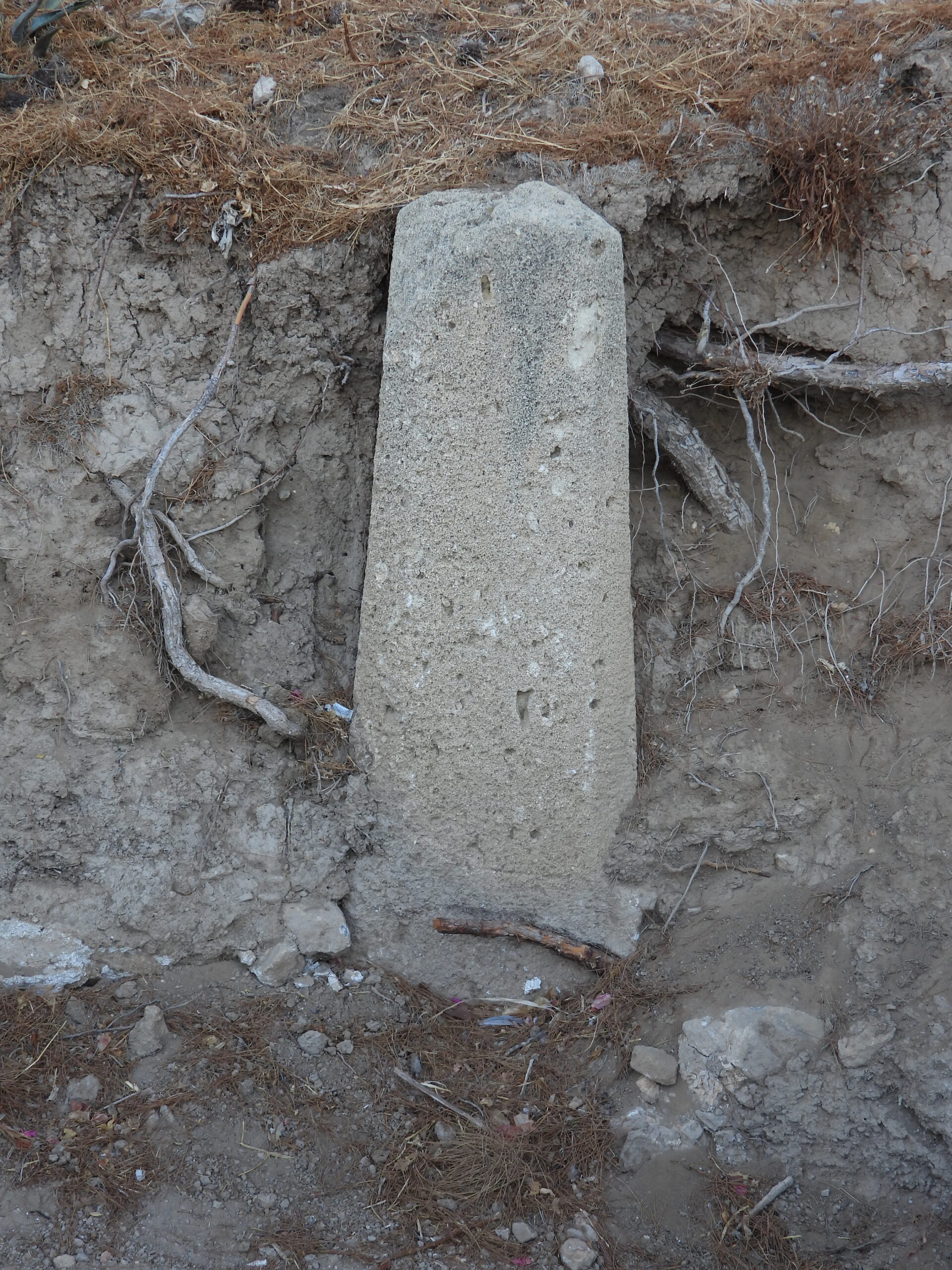
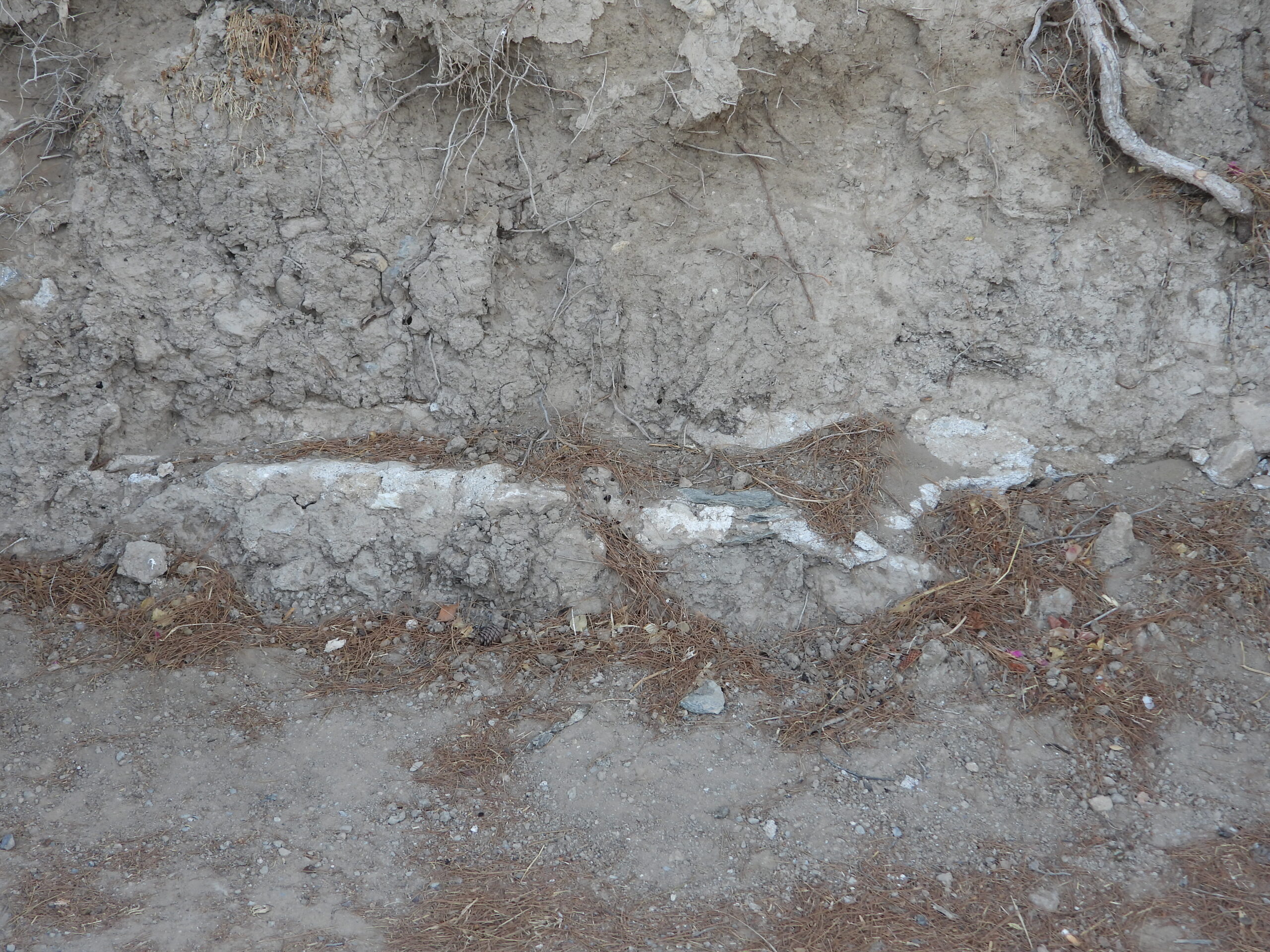
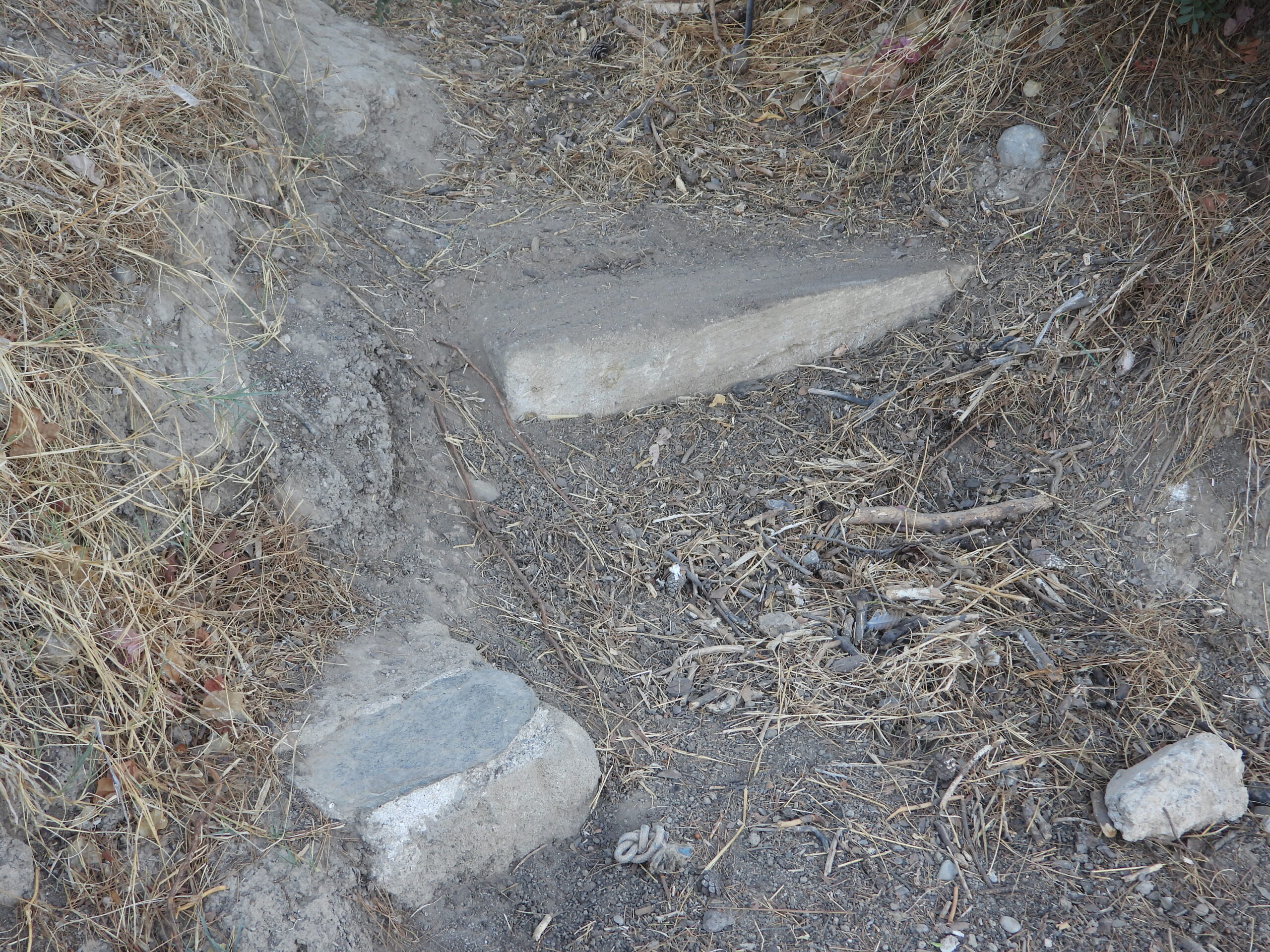
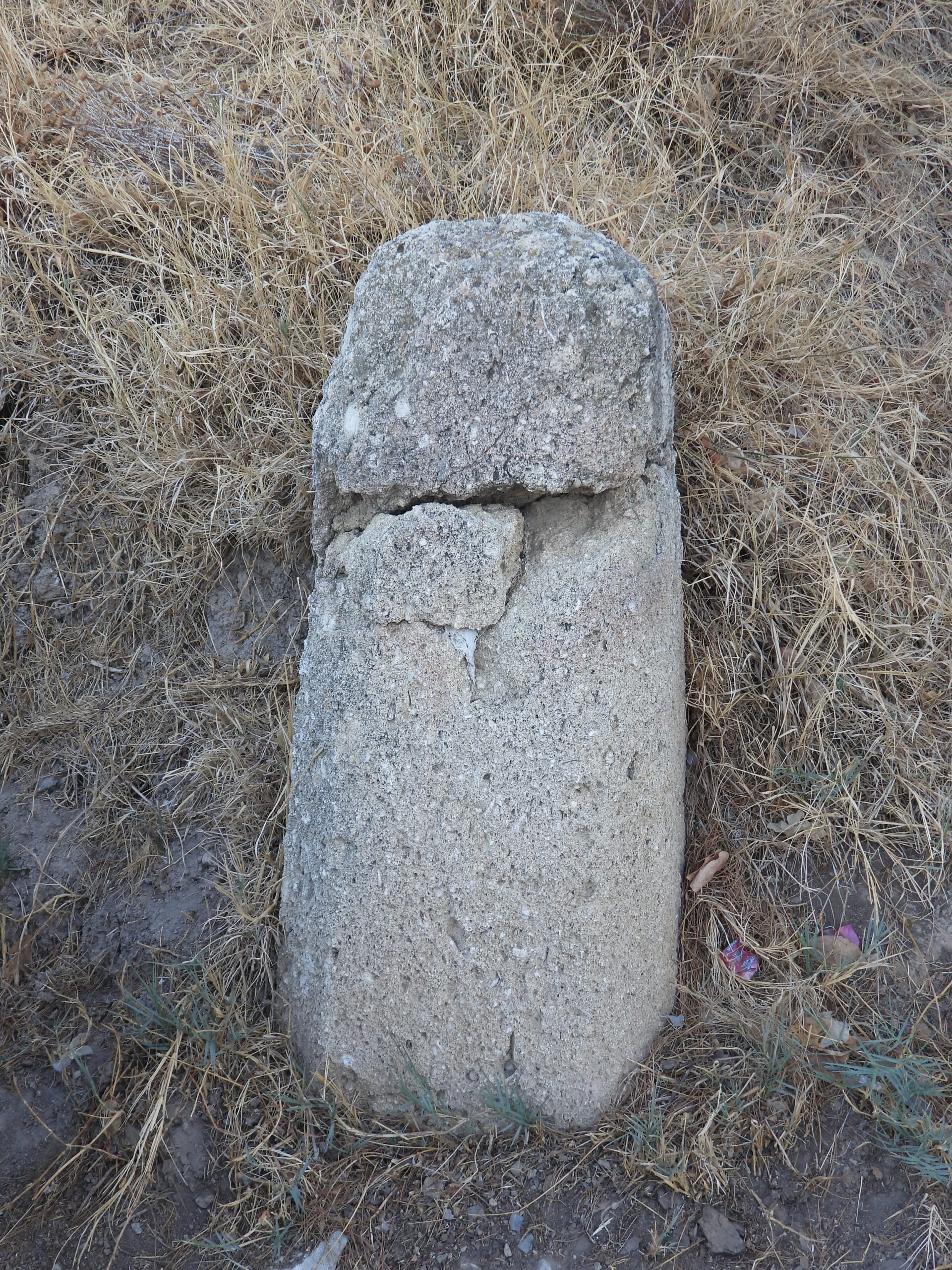
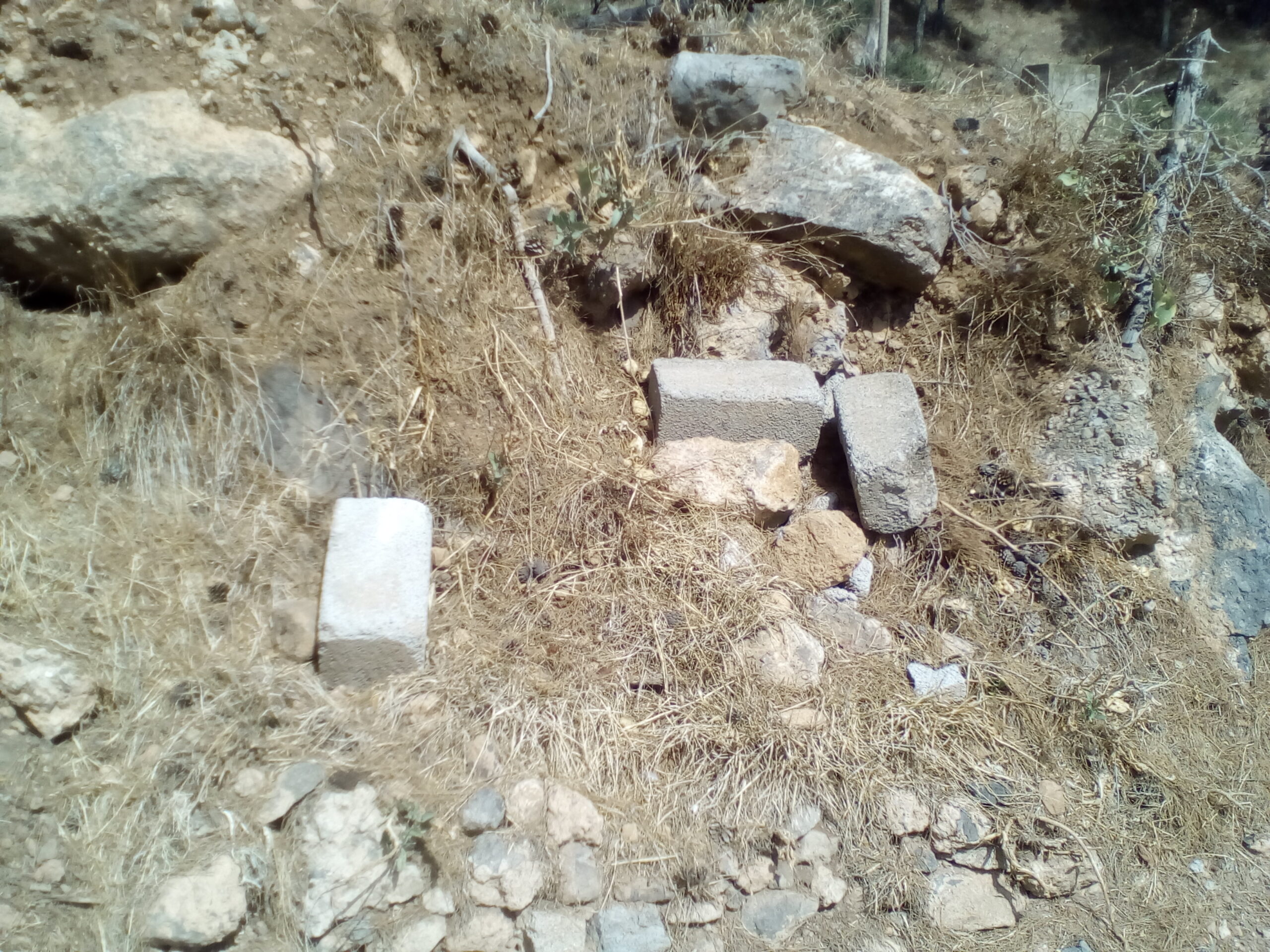
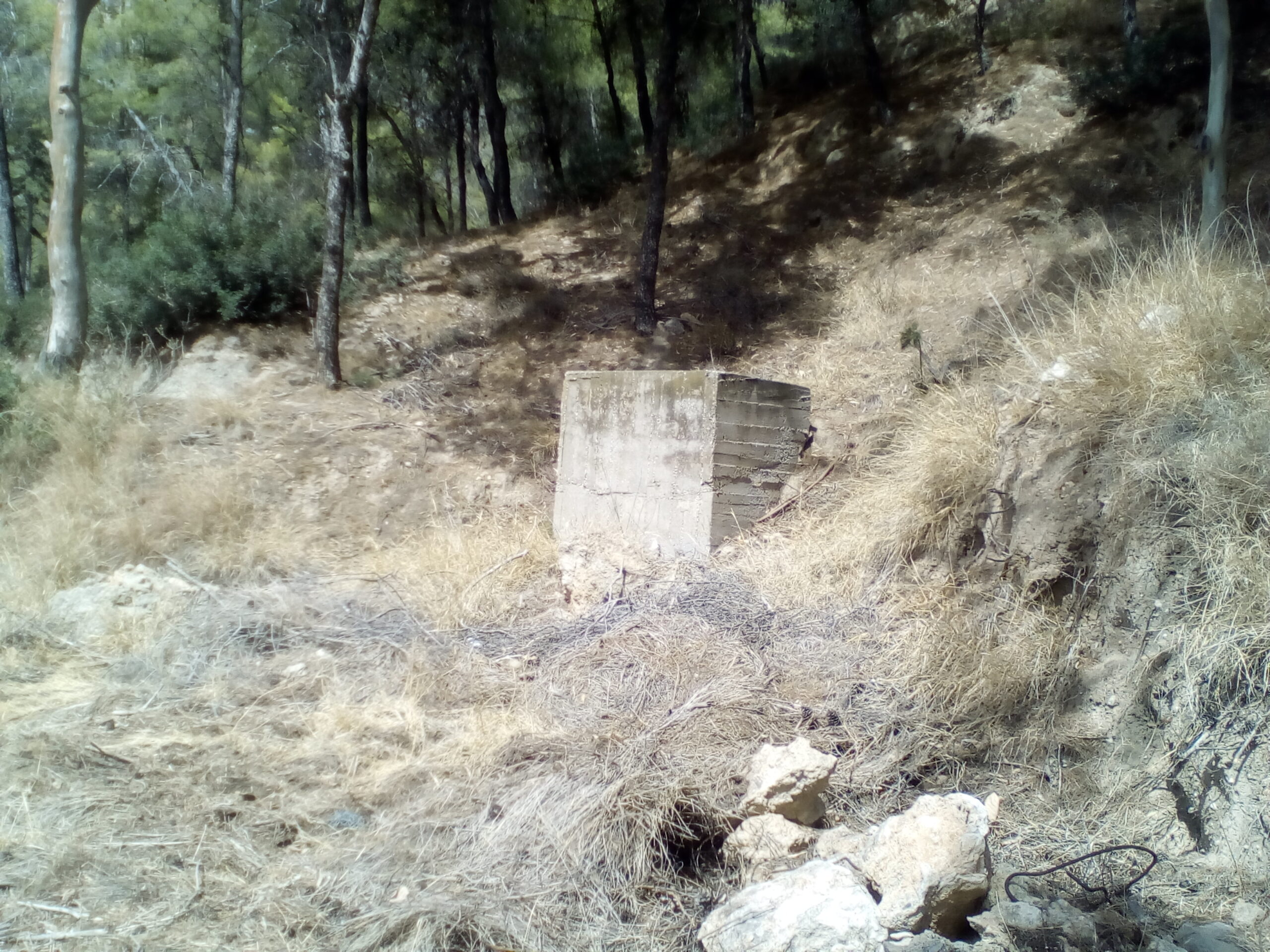
Yes, this place, so foreign as a memory, but so familiar as an empathy, you feel it, you know it, that it is not hollow inside, like time in its present dimension. A closer look is enough to attest to it. All around you, yesterday looms. Like a message, from centuries wedged in a bottle in the middle of the ocean. Stalactites of limestone, embedded in the relief of the landscape. Columns, embedded in the flesh of the soil, leaking through the strands of a matrix shaped by centuries with the echo of cultures and people who did not meet. But they are defined as a natural continuation of each other.
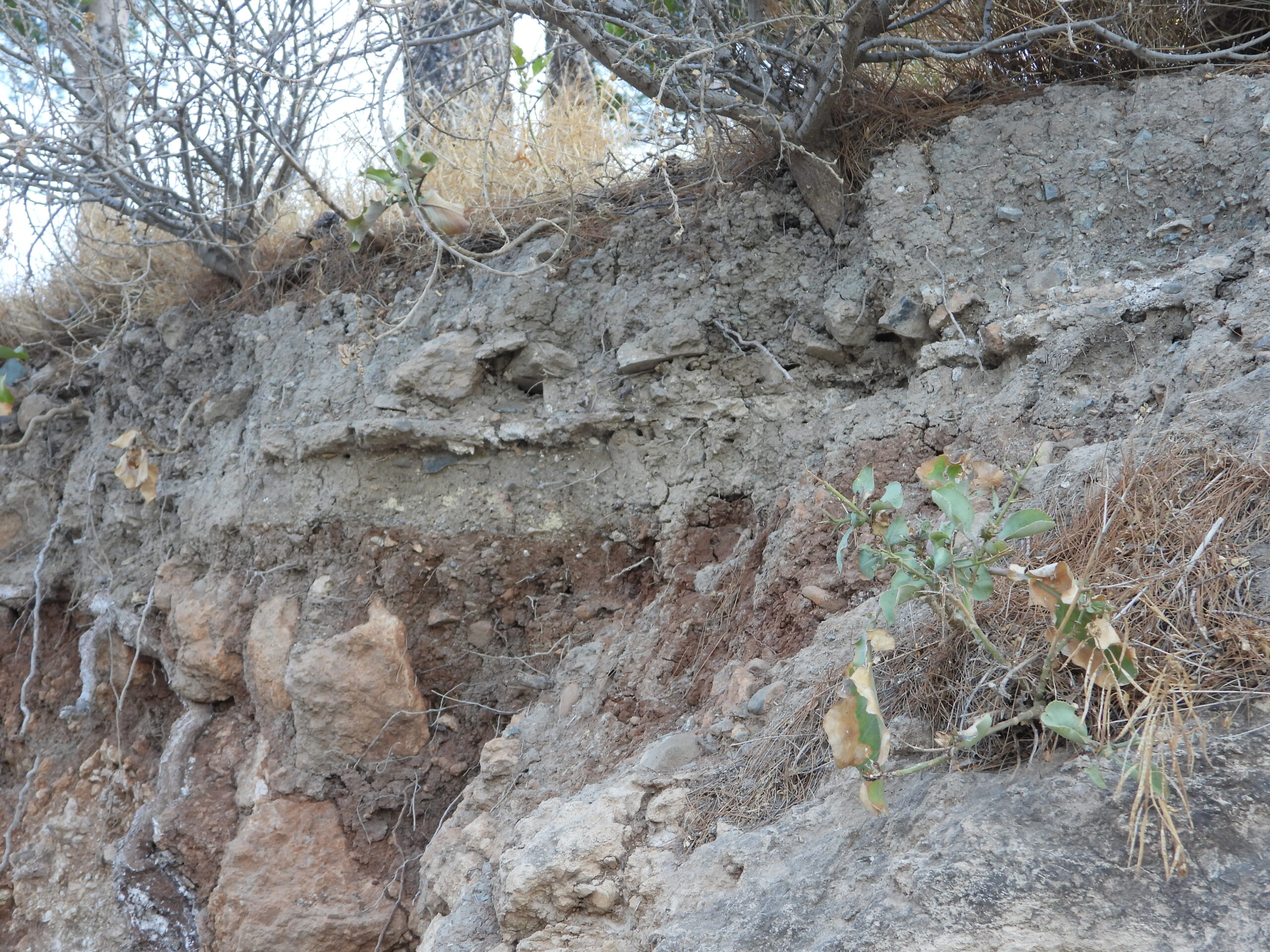
This is what we call history. And the Kapsali grove has a lot of history within it. It is the duty of those who have borrowed a thread from its tangle in their present, to respect it and to bring it up in the future of their children.
I don't know if the grove area will be turned into a parking lot for cars. There's been a lot of talk about it lately and given the settlement's need for parking, nothing is out of the question.
Yes. Perhaps we will wake up one day soon, and we will no longer hear the twittering of birds, the last goodbye of cicadas and the rustling of the whispers of our history still floating in the atmosphere of the grove. Maybe, tomorrow, the day after tomorrow, a year from now, the place will be covered in concrete and the memory of everything will be tucked away under the mat of development.
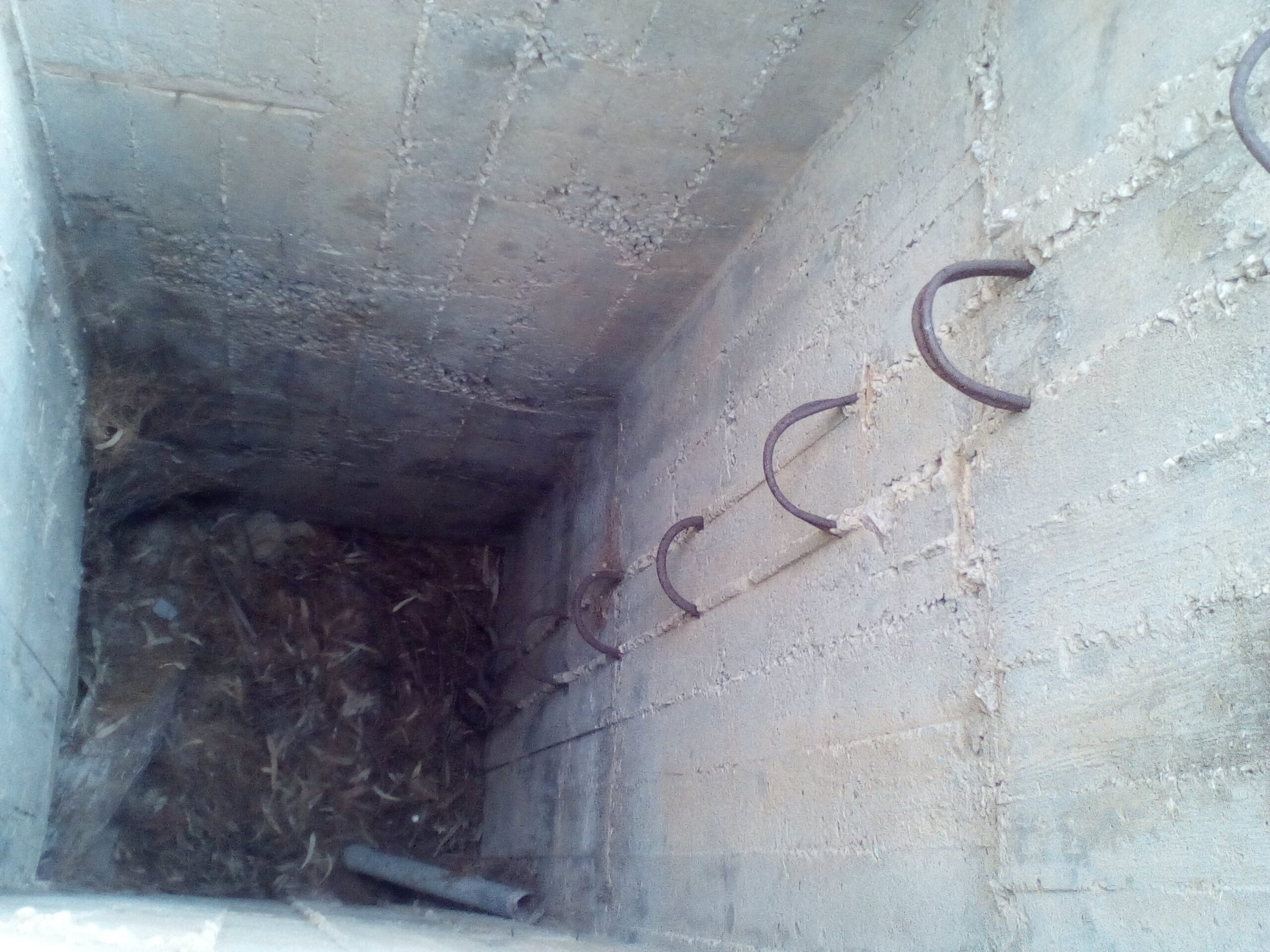
I'm not saying. Growth is good and necessary for the well-being of a country. As long as it learns to get rid of the weeds of the past without burning the womb that gave it birth. This is what they call the lesson of history. And history, any history, can be defined as the past, can be written in the future, but it is always in the present, affecting the generations that follow.
The grove in Capsule may possibly be left to a fate that does not include its past. But we have to ask ourselves if this is worth (we deserve) the price of cleaning the site of the weeds and trash in the prospect of a parking lot. Or any development project. While overlaying its ancient beauty. Or, again, would it be more prudent to explore alternative avenues for this beauty to come to the surface, to be highlighted and to go along with any development project that does not come along to cancel it.
This is, I believe, the right formula to ensure cultural continuity through time, through empathy. Because, at the end of the day, you don't need to remember to empathize. But when you do empathize, you guarantee that the next person after you will remember, what preceded both of you. That's how nations save historical memory. This is how they build consistency in the management of their past and ensure it as continuity in their future. This is how they gain a right to meaningful development.