The bar for growth in 2024 has been set high, according to the projections in the draft budget, which has already been submitted to Parliament. However, the volatile economic and geopolitical environment, if nothing else, makes it difficult to achieve the target, which is a 3% increase in GDP.
It should be noted that this estimate is significantly higher than the growth estimates for both the Eurozone and the EU, which stand at 1.3% and 1.4%, respectively.
The Ministry of Finance is well aware of this, and for this reason, it believes there are pillars on which the Greek economy can rely, so that it can overcome the obstacles that have arisen and will arise on the path to achieving the goal by 2024.
There are two key factors that could bring «spring» to the economy. One is tourism, which is showing signs of resilience and growth. The other has to do with investment, which is expected to pick up even more once the country achieves investment-grade status—a milestone the government hopes will be reached by 2023.
On the other hand, however, there are two factors—directly linked to one another—that could lead to upheavals in planning and disruptions to the economy. One is directly related to the turmoil in the Middle and fears that oil prices could skyrocket should tensions escalate or more powers become involved in the region.
In the unlikely event that this happens, it will bring new inflationary pressures—and this at a time when there are tangible signs of a significant decline in inflation toward acceptable levels, that is, below 2%.
The Keys to Growth
1. Investments: The Ministry of National Economy and Finance places great emphasis on attracting investment for 2024, and this is the main reason why the draft estimates that the increase compared to this year will be in the range12.1%. This will be achieved primarily because, barring any dramatic unforeseen events, Greece will regain its investment-grade rating from the rating agencies within the year. As a result, foreign investors will once again see Greece on the investment map and will be able to bring capital into the country, since many have refrained from doing so until now because their bylaws prohibit it, due to the lack of an investment rating.
2. Tourism: Greece is expected to set a new record for tourism revenue and visitor arrivals this year, surpassing the 2019 record. Market analysts estimate tourism revenue at 20 billion euros, and the Ministry of Finance estimates—as reflected in the draft budget—that, compared to 2023, an additional 1 billion euros will be added next year.
Fears of a slowdown
In contrast to the anticipated positive developments, there are also fears, which have intensified following Hamas’s horrific attack on Israel and the response Israel is preparing. Who are they:
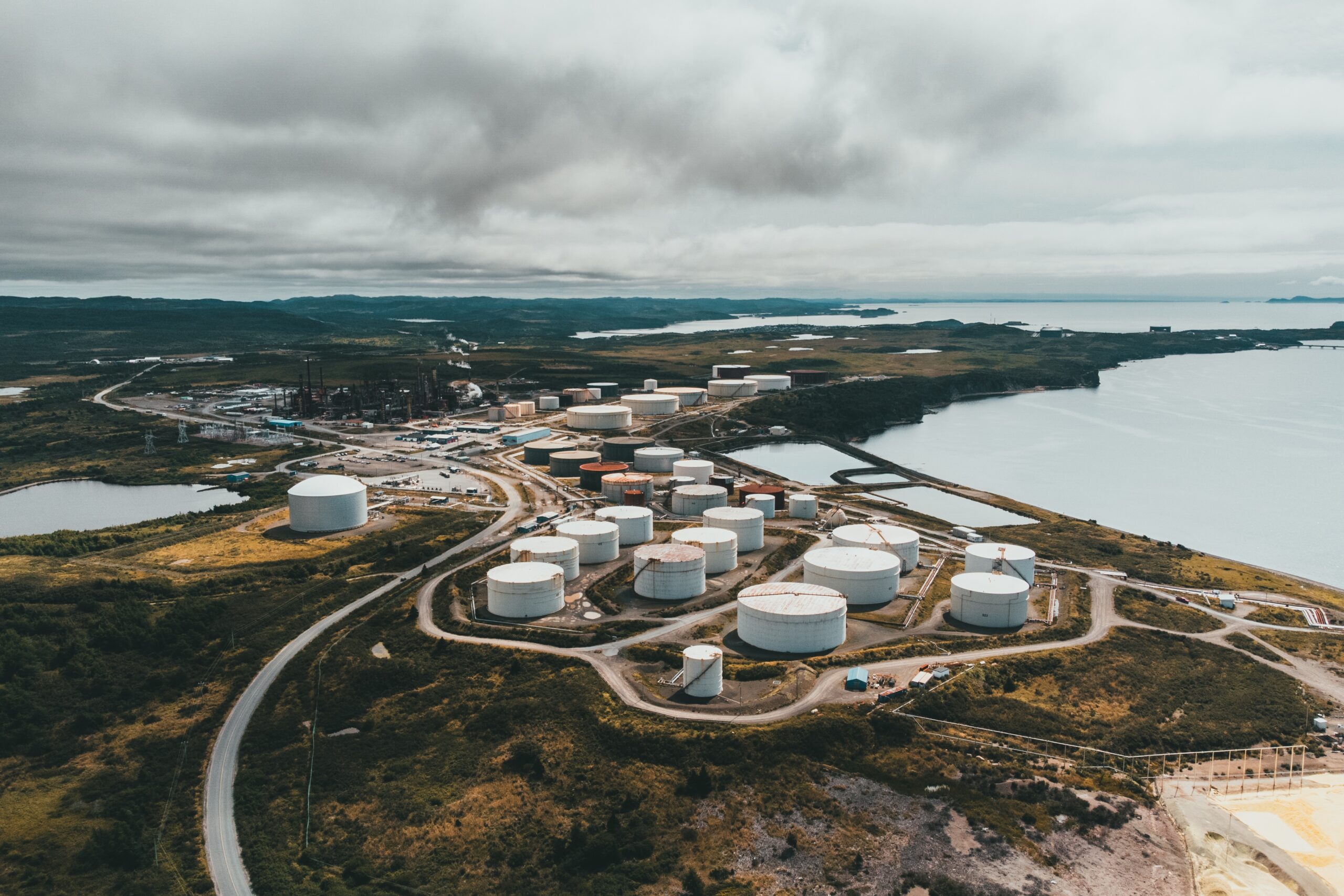
1. Energy: First and foremost, oil, followed by natural gas, and by extension electricity, are the major sources of instability. There are serious concerns that, in the event of an escalation and the involvement of more countries in the Middle East in the conflict, the price of oil could skyrocket to very high levels. The main fear centers on Iran and the role it may play. It is worth noting that Iran controls the Strait of Hormuz, through which one-third of global oil production passes. Similar fears exist regarding natural gas, which has seen a mini-rally in recent days, surpassing even 55 euros per megawatt-hour, whereas just a few months ago it was slightly above 20 euros.
2. Inflation: For nearly two years now, inflation has been the biggest «headache» for the global economy. In recent months, there have been clear signs of a slowdown, and it appears feasible that by the end of the year, the target of falling below 2%—the acceptable threshold—will be achieved. However, in the event of a minor or major energy shock, it goes without saying that we will enter a new period of inflationary pressures, which would further restrict consumption—one of the main drivers of growth.
Thanasis Papadis