Written by Eleni Tsahaki, Dietician - Nutritionist, Glyfada
If you've thought about becoming vegetarian or at least reduce the meat in diet I'm sure you're probably wondering how to get the necessary amount of protein in your day. The truth is that yes, animal products are often rich in protein. But that doesn't mean that vegetables can't give you the protein you need!
The role of protein in our diet
Η protein is vital in our diet, as it is the ingredient that helps to «build» and maintain our muscles, especially in athletes and sportsmen. Protein is essential for building and maintaining muscle mass, to maintain the feeling of saturation between meals, as well as making sure that every cell in your body is functioning normally.
Of course, switching to a diet that may contain fewer animal products can indeed be a healthy choice. However, it is important that this is accompanied by the necessary physiological blood tests to ensure that there is no deficiency in an important nutrient.
The role of vegetables in our diet
The vegetables are known to be a staple food group in our diet. In fact, the importance of this group can be seen as we find vegetables at the base of the Mediterranean Pyramid.
Apart from this position, the increased intake of vegetables in our diet reduces total calories, helps in weight maintenance, as well as normal bowel function.
One vegetable equivalent is equivalent to ½ cup (240ml) of boiled vegetables or 1 cup (240ml) of raw vegetables. This amount gives us about 25 calories, 5g of carbohydrate, and 2g of protein.
In fact, if we take into account that their caloric content is low, due to their high fibre and water content, we can conclude that they are of high nutrient density. That is, in a few calories they deliver a lot of nutrients.
The 9 vegetables with the most protein
So let's look at 9 vegetables that have been shown to contain a higher amount of protein than the rest.
Spinach
Spinach is one of the most nutrient-rich, leafy green vegetables you can have in your diet. It is no coincidence, after all, that Popeye chose it!
1 cup (25g) of raw fresh spinach contains 0.7g of protein.
1 cup (180g) of boiled spinach contains 5.3g of protein.
The protein in spinach contains all the essential amino acids that our body needs daily. In addition, 1 cup of raw spinach contains 121 μg of vitamin K, which is just over 100% of our daily needs.
Spinach is also a rich source of folic acid, vitamin A, and vitamin C. It is a good source of magnesium, iron and potassium.
Spinach contains plant compounds that can increase antioxidant defense and reduce inflammation in our body.
In fact, in one study, 10 athletes who took spinach supplements for 14 days showed reduced oxidative stress and reduced muscle damage after running a half marathon, compared to those who had taken a placebo.
Asparagus
Asparagus is a very popular vegetable, which can easily and quickly be included in the diet and benefit from its high nutrient content.
1 cup (134g) of raw asparagus contains 3g of protein.
1 cup (180g) of boiled asparagus contains 4.4g of protein.
Asparagus is a rich source of vitamin K, folic acid and riboflavin. It also contains magnesium, phosphorus and vitamin A. It also contains fructooligosaccharides, which are prebiotics and help the growth of good gut bacteria.
Artichoke
Although artichokes are a less common vegetable in most people's diets, they are a good source of protein.
1 medium raw artichoke (128g) contains 4.2g of protein.
1 cup (168g) of boiled artichoke contains 2.4g of protein.
Artichokes are a good source of vitamin K and folic acid.
Broccoli
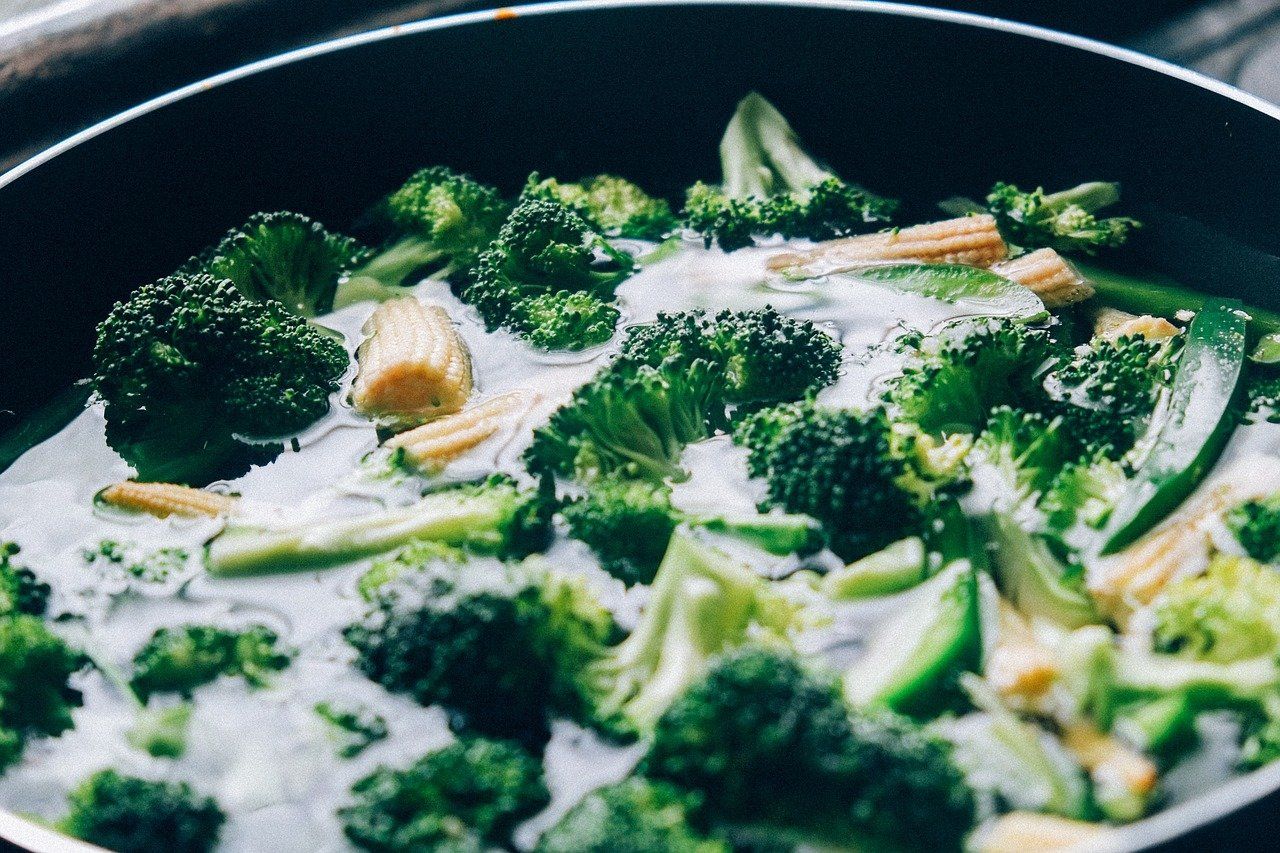
Broccoli is a very popular vegetable that also happens to contain protein with all the essential amino acids. You can include it in your diet either raw or even cooked.
1 cup (91g) of raw and finely chopped broccoli contains 2.6g of protein.
1 cup (156g) of boiled broccoli contains 1.9g of protein.
Broccoli is a very good source of vitamin C, vitamin K and folic acid. It also contains phosphorus and potassium, as well as calcium
Cauliflower
Like broccoli, cauliflower also provides a high amount of protein for the number of calories it provides.
1 cup (107g) of raw cauliflower contains 2g of protein.
1 cup (156g) of boiled cauliflower contains 2.2g of protein.
Cauliflower is a cousin of broccoli and a rich source of vitamin C and vitamin K. It also contains a small amount of calcium, iron, magnesium and phosphorus.
Cauliflower is a vegetable that can be included in many ways in our diet and is suitable for a variety of recipes.
Brussels sprouts
Brussels sprouts are an excellent addition to your diet. They are a good source of protein, fibre and vitamins.
1 cup (88g) of raw Brussels sprouts contains 3g of protein.
1 cup (150g) of boiled Brussels sprouts contains 4g of protein
In addition, 1 cup contains 3.3g of fibre which contributes positively to gut health and satiety. Brussels sprouts are also rich in vitamin C, vitamin K, and are a good source of folic acid and vitamin B6.
Chinese cabbage
I'm sure that when you think of the word «protein», your mind doesn't go to Chinese cabbage. Yet, Chinese cabbage, also referred to as bok choy cabbage, is also high in protein.
1 cup (70g) of shredded raw Chinese cabbage contains 1.1g of protein.
1 cup (170g) of boiled Chinese cabbage contains 2.7g of protein.
Chinese cabbage is a rich source of vitamins A, C and K. It is also a good source of folic acid, and contains a small amount of calcium and potassium.
Most people use Chinese cabbage in many Asian recipes, such as in potatoes, minced meat, soups and rolls.
White mushrooms
Mushrooms are already known to be another well-known source of plant protein. One cup of cooked white mushrooms provides about 3.5 g of protein.
All mushrooms, for example shiitake, contain a good amount of protein in them. White mushrooms, however, seem to have more protein.
In summary
It is important to know that vegetables offer us a variety of nutrients, as well as many health benefits. For people who wish to follow a diet with more vegetables, it is important to plan their meals carefully to ensure that they are getting enough of the essential nutrients that our bodies need and to avoid deficiencies.