by Matthew Syed*
The verb «share» has undergone a subtle but interesting transformation. For most of my life, it meant «to give something to someone else.» In recent decades, however, it has come to mean «to talk to others about my thoughts, feelings, or experiences.».
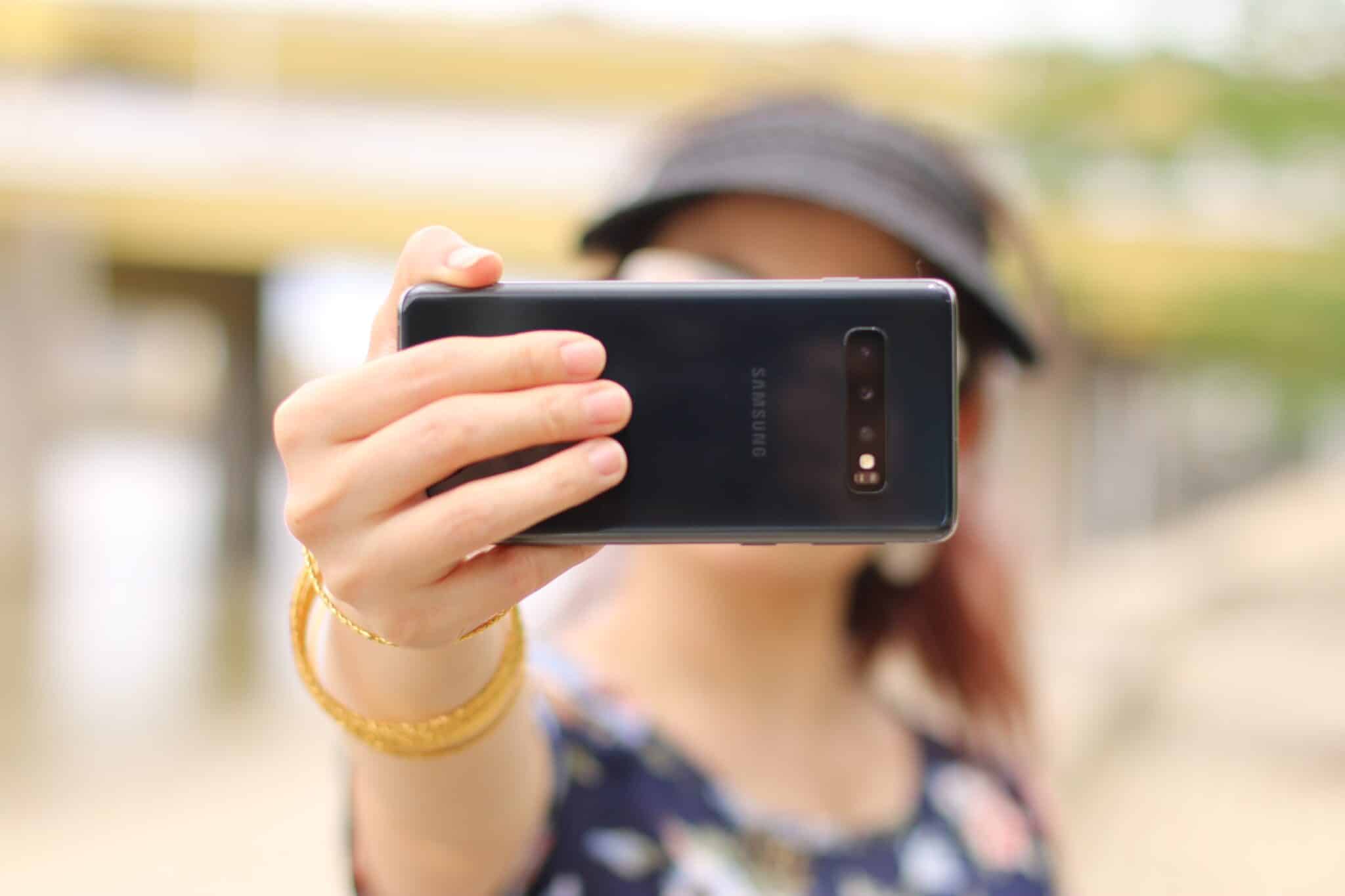
I mention this because it is an example of a deeper transformation in the way people—especially in the West—interact with the world. For most of the period following the scientific revolution, the emphasis was on external reality: how to change things in order to collectively solve problems. Over the last half-century, however, there has been a «turn inward.» Our attention has shifted from the outside world to the inner self, from external reality to subjective feelings. We see this in many areas, such as the boom in sales of self-help books in the 1970s and 1980s. More recently, we’ve seen our attitude toward photographs change. We used to take photos to remember events or people. Now we take selfies: Apparently, we don’t consider any landscape worth mentioning unless we’re in it too.
This focus on ourselves affects other areas as well. In their online lives, people don’t spend their time learning about the world, but posting scenes from their vacations or «editing» their photos to look better. Many are so preoccupied with sharing their lives that they have no time for any other kind of life. The metaversum, with its virtual ecosystems and fictional identities, will distance us even further from empirical reality.
One of the blind spots in historical analysis concerns psychology. We focus on kings and queens, wars and famines, but not on the way people perceive and think about the world. And as political crises rage around us, a change is taking place in our minds. We cannot see it, we cannot smell it, yet it is the most important of all changes. The spotlight is turning inward, and this affects not only the way we take photos and define words, but also our politics and culture.
Psychologist Jean Twenge, for example, has found that traits of narcissistic personality have increased over the past 40 years at the same rate as obesity: She speaks of an «epidemic of narcissism.» Her data show a growing obsession with fame—not with doing things that will increase our fame, but with fame itself. Today there’s even a market for fake paparazzi: People pay photographers to follow them so they can feel like celebrities. While in 1950 only 12% of American college students agreed with the statement «I am an important person,» by 1990 that percentage had risen to 80%.
And this helps explain another shift in the political discourse. We often believe that polarization is caused by social media, but this overlooks the shift in psychology. Once I’m focused on myself, isn’t it harder to communicate with others? Aren’t I more likely to take offense when someone disagrees with my views?;
I wonder if Brexit is yet another sign of this turn inward. I’m certainly not the only one who’s noticed that Leave voters invoke subjective feelings to justify their choice, even when the facts suggest otherwise. Yes, they say, we may be poorer, but we’re «in control» of our economic destiny. Yes, immigration may have increased, but we’re «in control» of our borders.
Descartes said that we can never be certain of anything beyond our subjective selves. I have always been closer to Wittgenstein, who argued that language, science, and truth arise only when we transcend ourselves and communicate meaningfully with others. This led to the rise of Western civilization. If this inward turn is left unchecked, it may one day destroy it.
(*) Matthew Sien is a columnist for The Times
(Source: The Times)