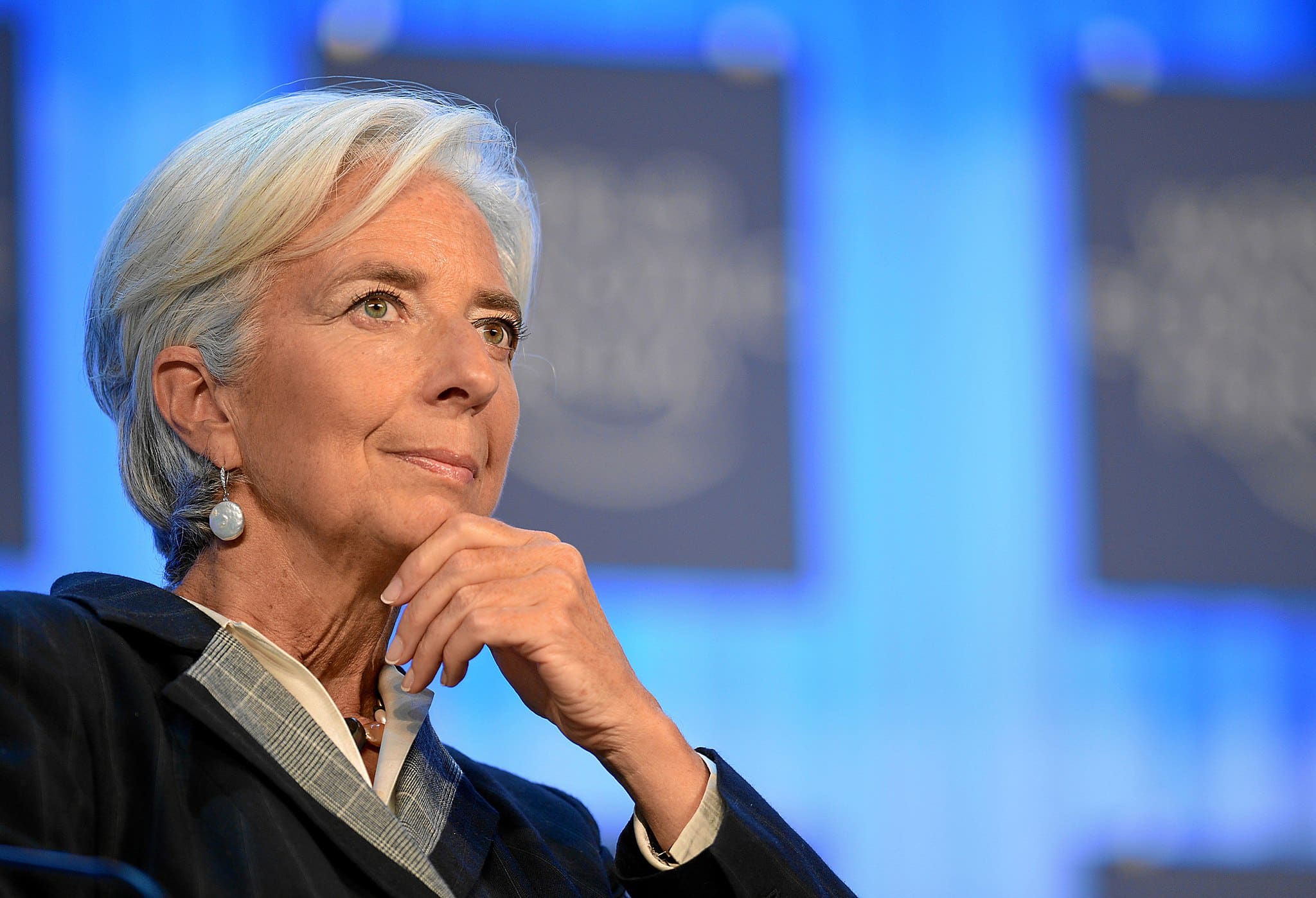
For the first time, the head of the European Central Bank (ECB), Christine Lagarde, left open the possibility of an interest rate increase within the year, in a statement yesterday.
The final decision will be taken in March in the light of the new data created by the explosive rise in inflation, but the head of the ECB avoided yesterday, during a press conference, to commit - as she had done so far - to freezing interest rates until the end of the year. Instead, she argued that commitments should be based on data and cannot be «unconditional». Earlier, the ECB chief admitted that both she and the other central bankers who sit on the central bank's board (and Greece's Yannis Stournaras) were unpleasantly surprised by the rise in inflation in December and January.
The ECB, as Kr. Lagarde, who now sees increased risks of further deterioration in inflation in the short term, will examine the data as they have developed until March, when the Bank's Governing Council will meet again.
Yesterday, however, the Central Bank of Great Britain, where inflation is also running at a rate (5.5%) similar to the EU (5.1%), raised its interest rates.
However, despite the expectations that have been created in the market, which are reflected, among other things, in the increased yields of government bonds, it is encouraging that - according to the ECB chief - there is no widening of the spreads against German bonds (which are considered the safest in the euro area).
On the inflation path, Christine Lagarde defended the ECB economists' forecasts despite their obvious failures. In essence, the ECB now estimates that it is likely to remain high in the near future. Energy prices are still the main reason for the increased inflation rate. Their direct impact accounted for over half of measured inflation in January and energy costs are also pushing up prices in many sectors. The ECB also notes that food prices have also risen due to seasonal factors, higher transport costs and higher fertiliser prices. In addition, price increases have become more widespread, with prices of a large number of goods and services rising significantly.
Chr. Ziotis