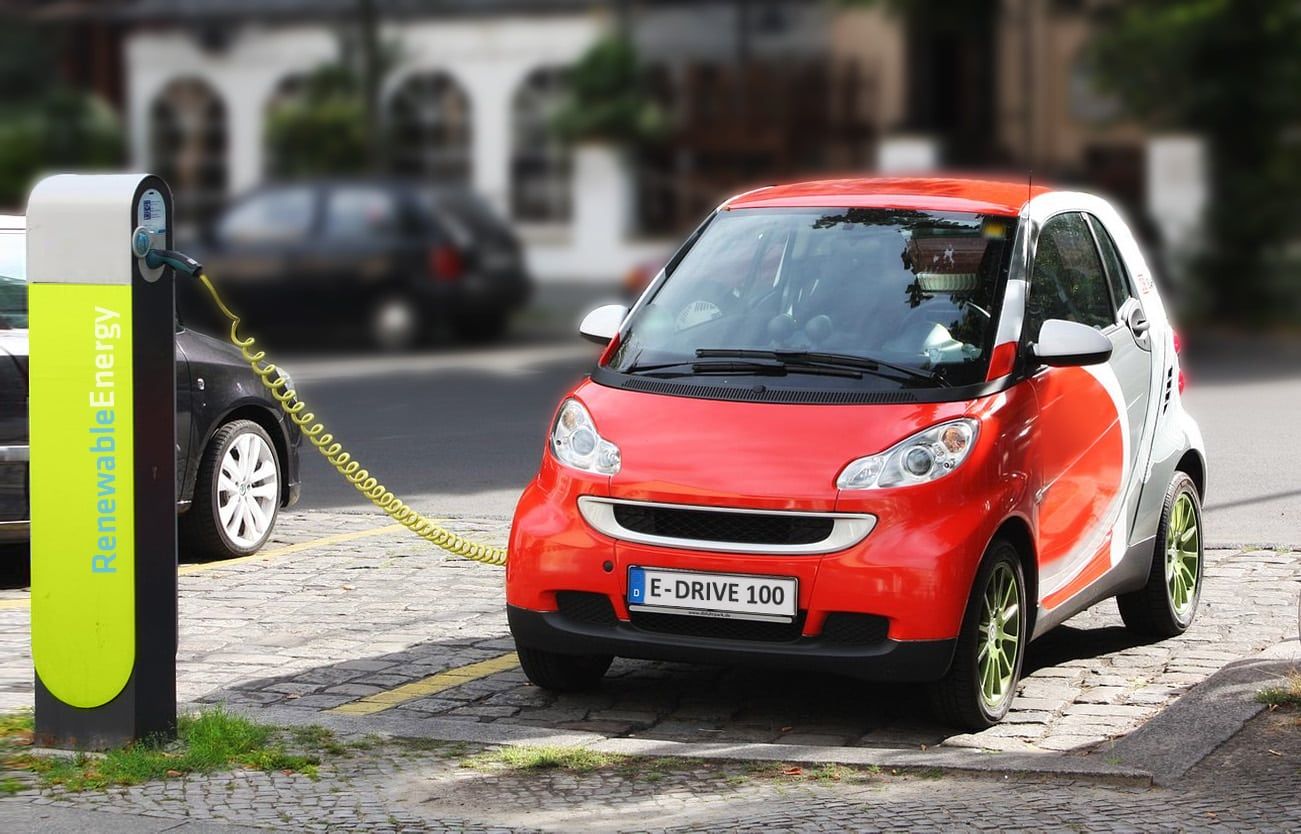
The increase in sales of electric cars is expected in the future to significantly reduce the demand for oil and of petrol. A report by the International Energy Agency (IEA) estimated that there could be 230 million electric vehicles worldwide by 2030 if governments continue to encourage the purchase of low- or zero-emission vehicles.
The IEA's first global report stated that electric car sales in the first quarter of 2021 were more than 2.5 times higher than in the same months last year, when the Covid-19 pandemic caused a major recession in the world economies.
Despite the economic slowdown in car sales, the corresponding sales of electric cars managed to set a record, selling a total of 3 million vehicles worldwide. The growth of electric cars is being closely monitored by the energy industry and is expected to significantly reduce sales of liquid fuels, but also their transport. According to global research, electric vehicles could eliminate more than 2 million barrels of diesel and petrol per day by 2030 and save the equivalent of 120 million tonnes of carbon dioxide.
If governments increase their ambition and provide greater incentives, then electric vehicles could further reduce the sale of around 3.5 million barrels of oil and gasoline per day, almost doubling the carbon savings.
The explosion of electric vehicles has galvanised car manufacturers who are now producing electric vehicles every month. The IEA said that consumers spent $120 billion on the purchase of electric vehicles last year, an increase of $50% from the previous year. Automakers offered 370 electric models to the market, an increase of 40% compared to 2019.
The explosion of electrification is forcing automakers to move to the next phase. 18 of the 20 largest automakers representing the 90% of the global automotive industry are preparing to increase the number of models offered, and are expected to increase the number of electric light vehicles from their production lines.
The IEA report expects that very soon there will be an evolution in battery technology. This will significantly reduce their weight and price, while increasing their autonomy.
In the coming years, however, several governments are expected to provide additional incentives to promote medium and heavy commercial vehicles with low carbon emissions. For this to happen, there will need to be a better charging network, better planning and powerful fast chargers with low charging rates to provide all the necessary conditions to convince professional drivers to switch to electrification.