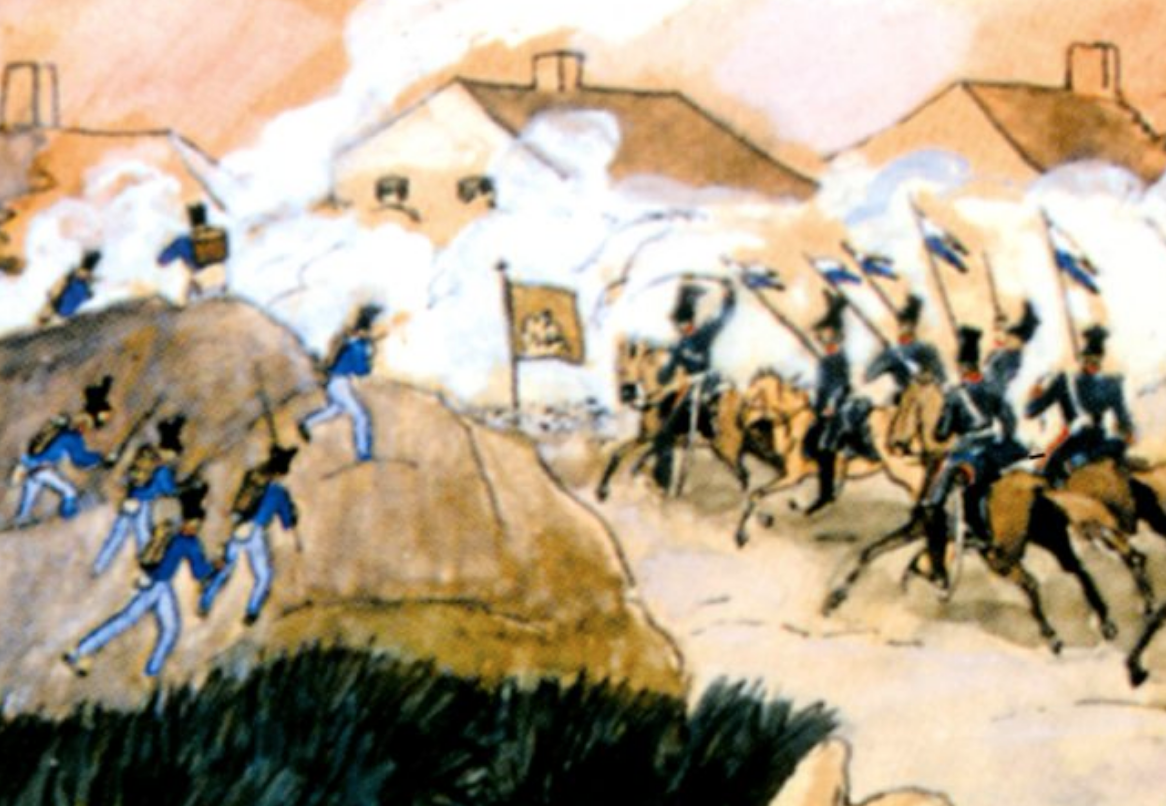
«Events of a history of two centuries, traumatic experiences that we have repressed deep inside us, forgotten bankruptcies with the stamp of ignorance and demagogy, crises that have enslaved us to poverty, to fallacies and lies, wars of many deaths, civil wars of many deaths, events that we pushed away into oblivion to escape horror and remorse - when the only catharsis would be their memory and awareness. Let us open our eyes and our souls to History, which banishes oblivion and brings us to the A-Truth.
From the causes of the crisis, the book looks for the deeper ones: those that are harder to eradicate because they are firmly rooted in modern Greek history. Causes that recur in the seven bankruptcies experienced by Greeks from 1824 to the present day. If Greek citizens had known the errors that led to the first six bankruptcies in our history, we would have avoided the seventh. If Greek politicians had known the errors that led to the civil wars of our history, they would have renounced their civil war demagoguery. These are the simple things I mainly want to say with this book, the last one I am writing, because forty years in the profession of historian and teacher is a heavy burden.
Civil war demagoguery leads to dictatorship in a tattered cloak of pseudo-parliamentarism. A heavy word, but not unjust. Are the nonsense and falsehoods of the ‘representatives of the people‘ parading on the screens insignificant? Are the false discourses and recriminations, the torn memoranda, the elastic consciences and the non-existent or false ’’past deeds‘‘, are they accidental? And is it any wonder that at least half of the Greeks have resigned as voters and citizens and are left at the mercy of the vicious, incompetent, uneducated and stupid people who vote for the laws of their respective master prime minister?;
However, not all the pages of the book are dark. There are the brackets of optimism that we need to take courage against resignation. In these parentheticals I try to show when and how it is possible and feasible to end the crisis. So it is with optimism that the book closes, and may I come true.»

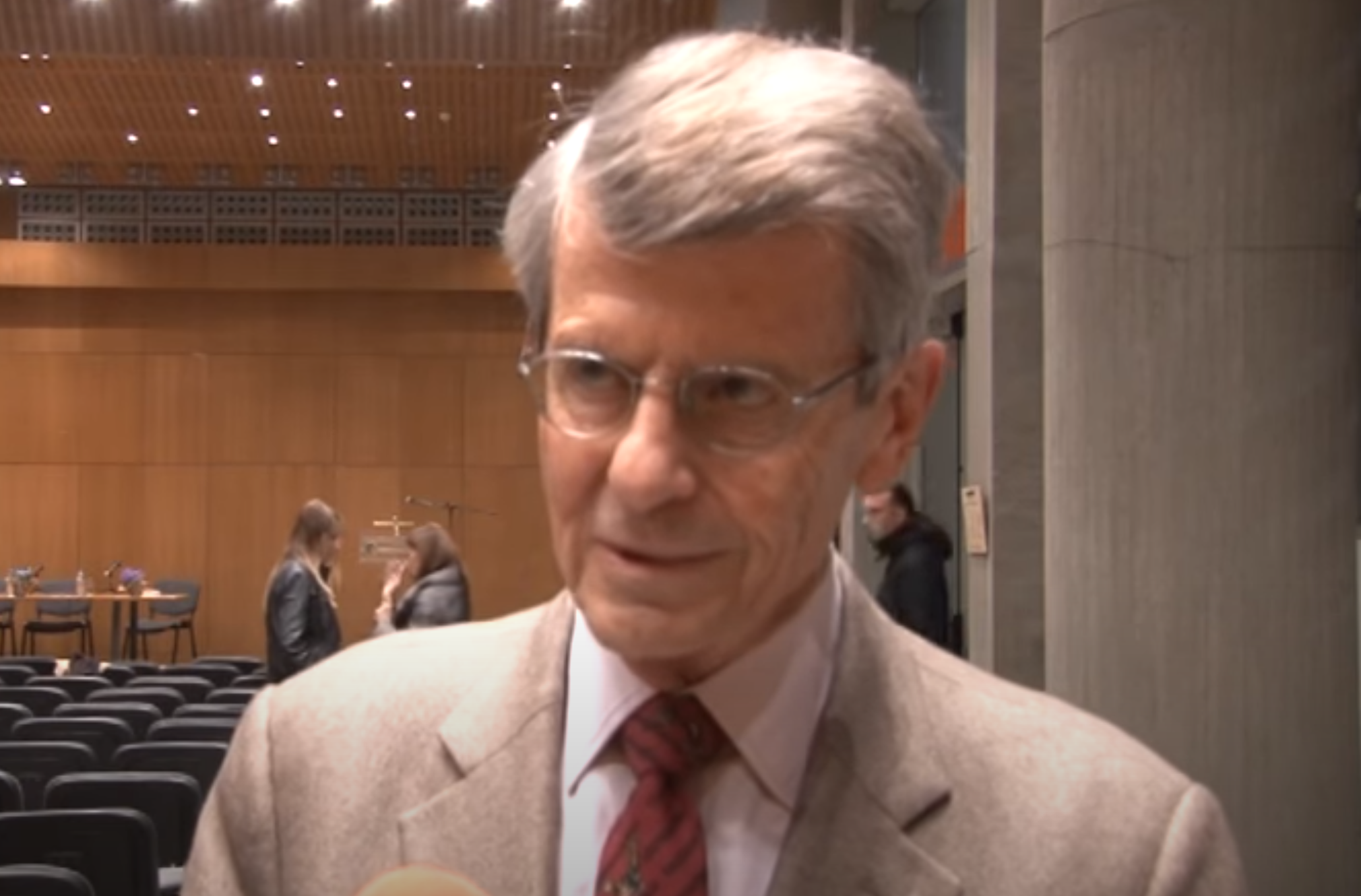
Professor Dertilis is a ‘Kytherian‘ * historian, right-wing for the left and left-wing for the right**. We met when, disobeying his surname, I asked him for clarification to accommodate him in my work. ’Dertilis,’ he explained, «not Dertilis.» After that we met several times on the island. I read his books: his Autobiography, in which I saw him before he was 30 organising the first short-lived anti-Hunts movement; his History, a reference text on Greek historical science and its academic teaching; and his latest (recent and - according to him - his last), which we present briefly.
History according to Dertili is a scientific field where historiography, economic analysis, political interpretation and literature come together. One can disagree with any of these as science does not mean authority. In fact, I would say that a text is scientific to the extent that it is open, that is, open to objection. The assembly of the events of two centuries of the history of the Greek state into a legitimate narrative fabric is in itself a feat of establishing scientific dialogue. And this, George V. Dertilis achieves this in a convincing and irrefutable manner.
Coming from school history in the early 1980s, I was intrigued by his obsession with economic figures, indicators and charts. Leaning towards a Marxist reading of history, I was alienated by the absence of the class element in his analysis of historical events. Recognizing his originality, honesty, clarity and erudition, however, I could not give up the overnight reading. A discussion with him will follow in due course.
D.C.
- From a family of Laconian origin, born and raised in Athens. In recent years, however, he spends almost half the year reading and writing at his home in Mitata.
** He said to me with some complaint: «leftists think I'm right-wing, right-wingers think I'm left-wing». I encouraged him: «so you're walking well, aren't you?».
Published in Dragonera Rossa on 20 November 2016.