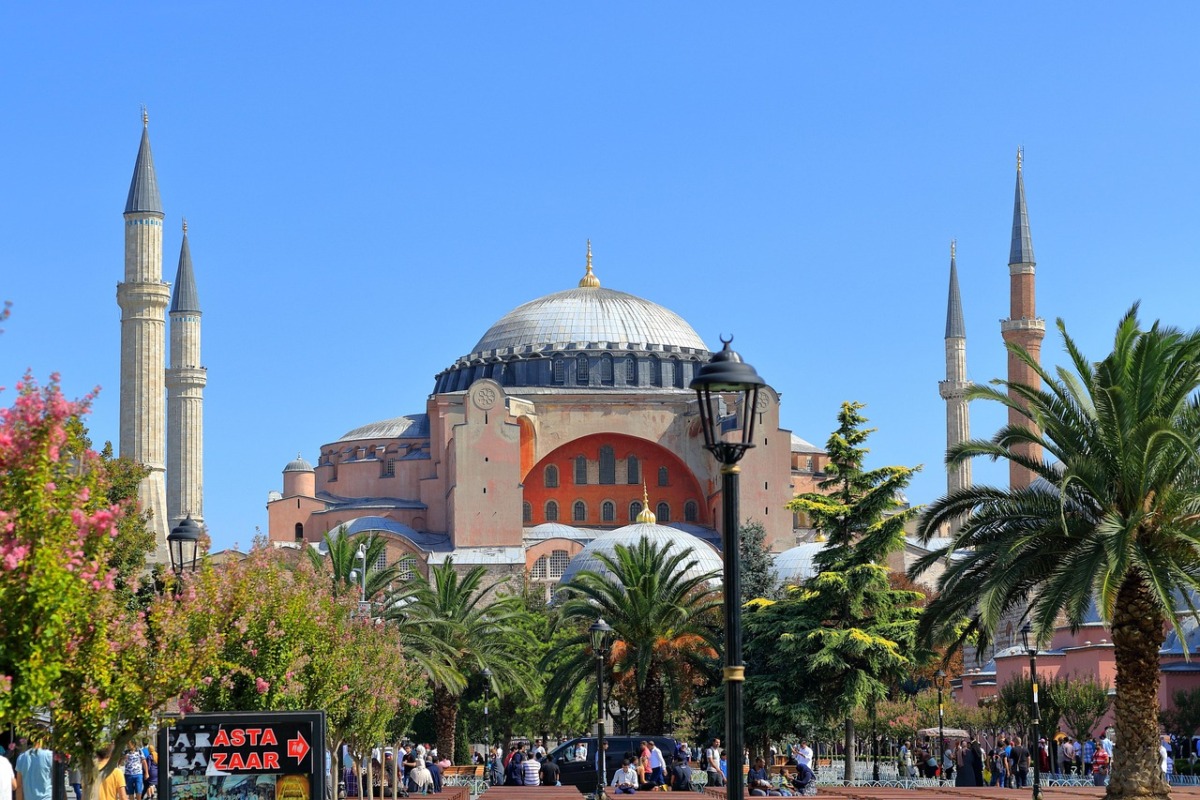
The anniversary of the Fall of Constantinople is not an occasion for a ritualistic repetition of lamentations. Rather, it can serve as an occasion to reflect on how a single historical event altered the historical geography of the Eastern Mediterranean, shaping the political and cultural balance of that region for centuries.
May 29 is not a memorial but a reminder that the transitions between empires, however violent they may be, are part of a long historical continuum.
Constantinople in 1453 was not the capital of a powerful state that fell suddenly. It was a symbolic city, with immense cultural significance but by then limited political power. The Fall was not a bolt from the blue. It came as the culmination of a process of decline that had begun long ago, marked by internal conflicts, economic exhaustion, and geopolitical isolation.
The Ottoman Empire, on the other hand, was in a phase of dynamic expansion, with a military organization and political cohesion that Byzantium lacked the strength to counter.
Such an assumption does not diminish the significance of the moment. The Fall is not merely the fall of a city; it represents the transition from the medieval world to a new era, in which the East and the West are redefining their relations. Constantinople now became Constantinie, and later Istanbul, the capital of an empire that would reign for five centuries.
Modern Greece approaches this anniversary in two ways: on the one hand, cultural memory preserves the symbolism of the fall; on the other hand, historical scholarship insists on de-dramatizing and understanding the structural causes of such a critical transformation.
Let us bear in mind, however, that the Fall did not mark the end of Greek civilization. It led to a remarkable dissemination of scholars, texts, and ideas toward the West, contributing to the Renaissance.
At the same time, within the Ottoman Empire, Greek-speaking communities developed new forms of social and economic organization, while preserving their language, religion, and education.
In the context of international history, the Fall of Constantinople would mark a turning point. The shift in trade routes, the strengthening of Western naval forces, and the search for unprecedented routes to the East—all of these are linked, directly or indirectly, to 1453. And here, in 1453, our historical legacy will surely be revived and come to life, reaffirming the significance of a civilization that left a deep mark on the heritage of the world.