Η diet and exercise play a key role in building muscle mass. Whether it’s light or intense physical exercise, increased protein intake, combined with the right amount of carbohydrates and fats, will lead to toning and striping which many people strive to acquire.
Protein: What Is It?;
Η protein It is one of the three main macronutrients that must be present in everyone’s diet. Specifically, every protein molecule is made up of amino acids, each of which performs specific functions in the body (such as hormone production, the synthesis of new proteins within the body, and immune system function, among others).
The amino acids They are classified as essential and non-essential: The former are not synthesized by the body on its own and are obtained entirely from food, while the latter category refers to amino acids that can be produced by the body.
Protein is essential for three main functions:
- It helps with muscle development and repair and other soft tissues
- It is a structural component of enzymes and hormones, which help regulate bodily processes
- It is a fuel that the body uses for energy
How much protein do I need?;
The amount of protein each person needs depends on factors such as:
- Gender
- Age
- Body weight
- Health Status
The average adult needs about 0.8 grams of protein per kilogram of body weight per day; however, this may vary depending on an individual’s physical activity level. Thus, a person weighing 70 kilograms needs approximately 56 grams of protein each day. The National Academy of Medicine recommends that protein make up 10% to 35% of daily caloric needs.
Protein-Rich Foods for Toning
Protein is found in a wide variety of foods, but there are ten of them that are particularly rich in protein. Specifically:
1. Egg
Eggs are among the most nutritious foods one can add to their diet. Specifically, the egg white provides about 7 grams of protein and very little fat (0.5 grams), while the yolk supplies the body with calcium, folic acid, vitamins A, D, and B12, and choline. Eggs are also rich in leucine, which contributes to muscle growth.
2. Lean red meat
Rich in zinc, selenium, and vitamins B12 and B6, it also provides a significant amount of bioavailable iron, while the protein content is 24.6 g per 85-gram serving.
3. Chicken breast
One of the most popular foods for its protein content, with 26.7 g of protein per 85 g of food. The chicken It is a food rich in B vitamins, which contribute to the body’s energy production, as well as trace elements such as selenium and zinc.
4. Salmon
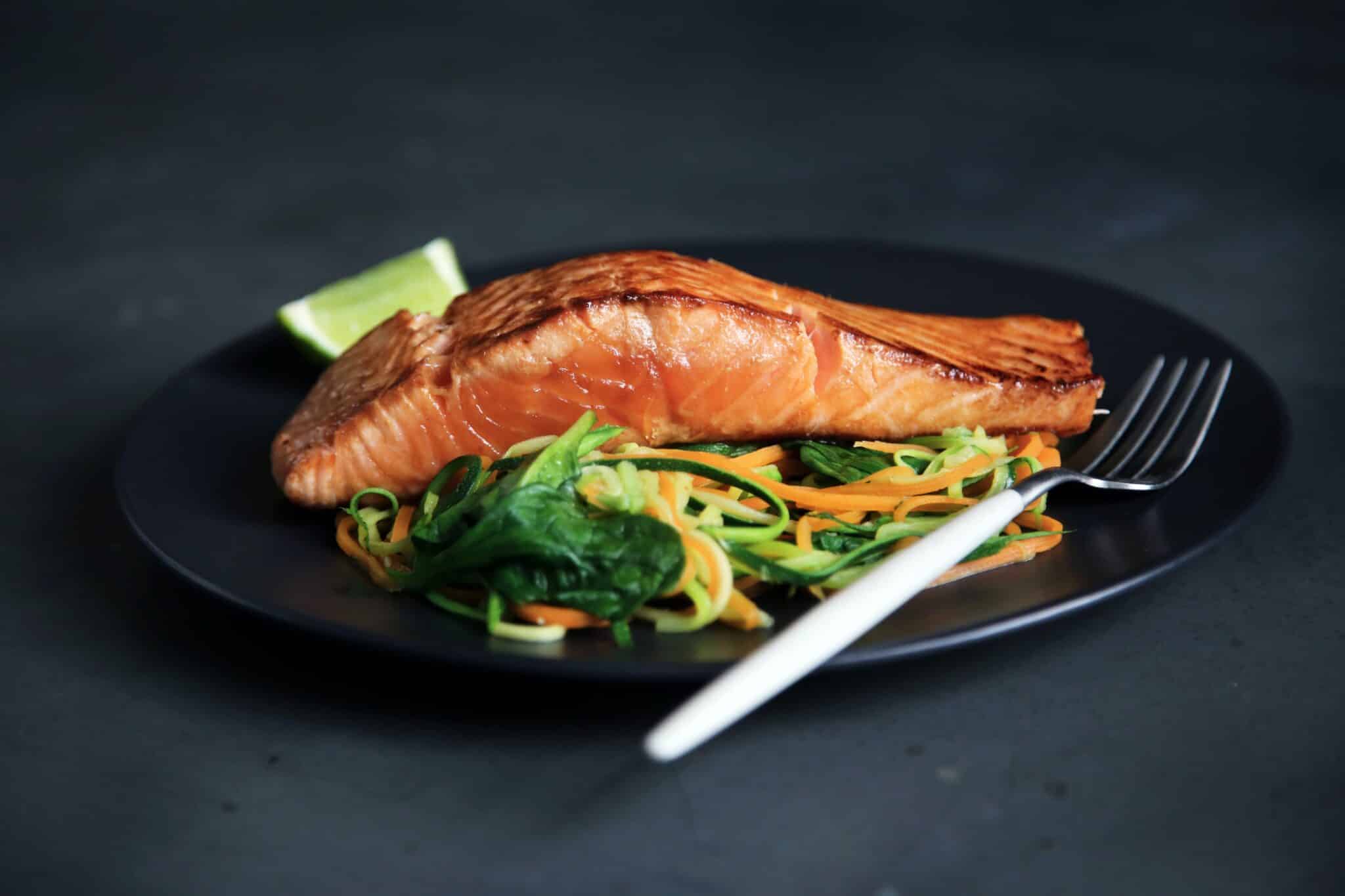
A food item that has gained quite a following in recent years and, in addition to the Omega-3 fatty acids which provides nutrients that contribute significantly to muscle health and promote muscle growth during exercise, contains approximately 17 g of protein per 85 g of food.
5. Strained yogurt
One small piece (200 g) provides about 19.9 g of protein. In addition to all its other benefits (e.g., rich in probiotics (to promote regular bowel movements), add that the yogurt It contains zinc, selenium, vitamins B12 and A, and essential calcium.
6. Cottage cheese
The cottage-style cheeses They are very low in fat and provide 28 g of protein per 226 g of product. It is also rich in calcium, phosphorus, selenium, vitamins B12 and B2, and many other nutrients.
7. Tono
It provides 20 g of protein per 85 g serving and is a food rich in vitamin A, B complex, B12, niacin, and B6—nutrients essential for optimal health, energy, and performance on the exercise. Furthermore, studies have shown that consuming omega-3 fatty acids slows the loss of muscle mass caused by aging.
8. Lentils
They are one of the foods with the highest content of plant-based protein. Specifically, it provides 9 g of protein per 100 g (half a cup) of cooked product. It is also rich in folic acid, magnesium, manganese, iron, potassium, copper, and dietary fiber, which help you feel full longer compared to animal-based protein.
9. Tofou
Yet another food item with plant protein, which is considered one of the highest-quality options, providing 10 grams of protein per half cup of raw tofu. It also contains a significant amount of calcium, which contributes to bone and muscle health.
10. Peanuts / Peanut Butter
Rich in folic acid, magnesium, vitamin E, and 7 g of protein per 28 g of pistachios or 2 tablespoons peanut butter. Studies have shown that adding peanut butter to a high-carbohydrate meal helps balance blood sugar levels and prolongs the feeling of fullness. Other protein-rich nuts include almonds, walnuts, hazelnuts, and others.
Protein: Side Effects
Excessive consumption of nutrients—even in the case of protein—poses risks that can significantly affect people’s health. Specifically:
Weight gain
High-protein diets may lead to weight loss, but this effect may only be short-term. Specifically, over time, excess protein (if we consume too much) is stored as fat, while excess amino acids are excreted.
Constipation
In an effort to increase their muscle mass, some people choose to increase their protein intake and limit their carbohydrate intake, which leads to a low intake of dietary fiber, which is important for bowel function.
Dehydration
Excess nitrogen (a byproduct of the breakdown of amino acids in the body) is excreted in water and urine. This can cause mild dehydration, which the person may not even notice.
Calcium loss
This phenomenon is temporarily associated with an increased risk of osteoporosis.
Renal dysfunction
This happens because excess protein causes the kidneys to work harder, since they are the organ responsible for filtering and excreting the byproducts of protein metabolism. However, research has shown that a high protein intake affects the kidneys of individuals with an existing problem.
As is the case with most things, we shouldn’t forget that “Everything in moderation”. So there are both food, as well as protein supplements that we can choose in the amounts our bodies need.