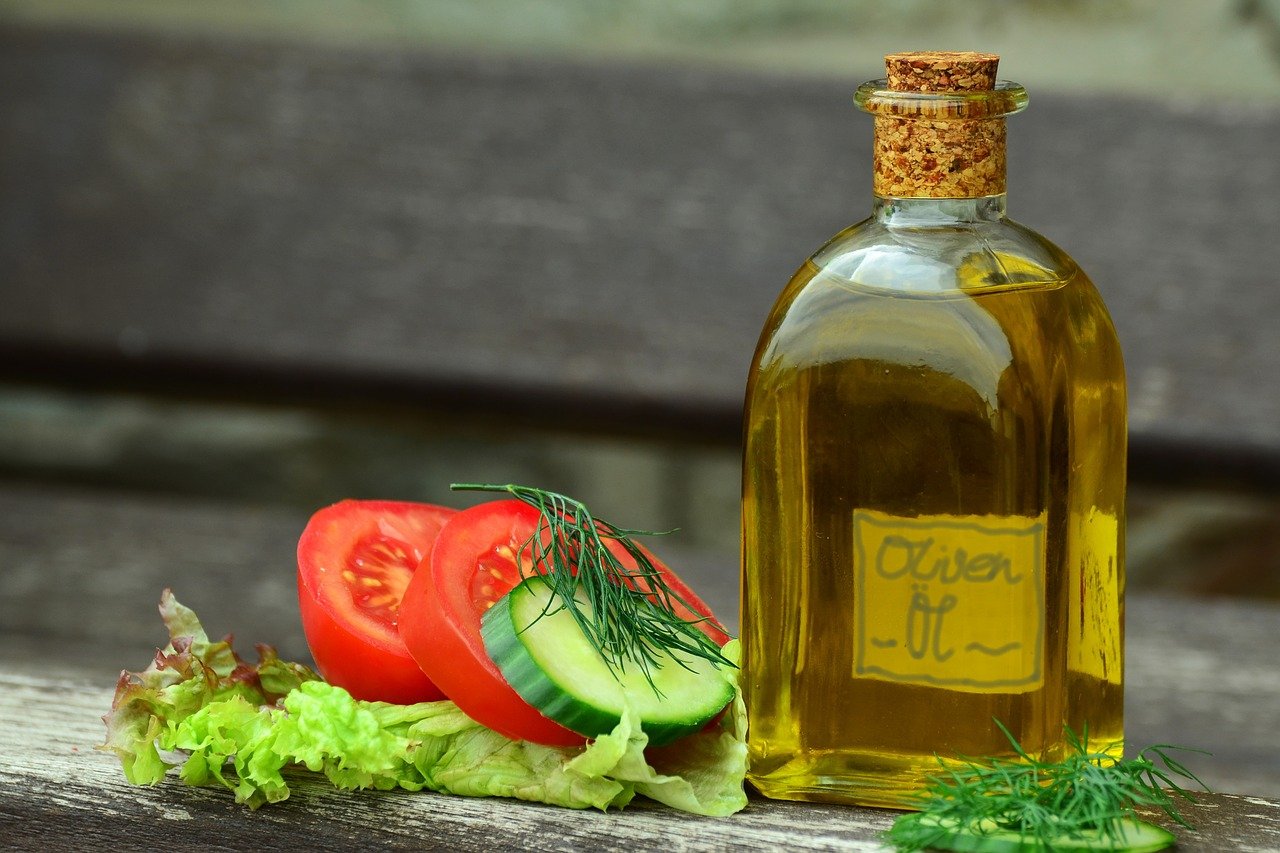
Olive oil retailers are offering discounted prices this season. On the other hand, Producers are in no hurry to sell adopting a wait-and-see attitude, while at the same time are seeing their farming costs rise.
As stated by the president of the Embaros Athletic Club, Mr. George Perogiannakis, «Crete has very high-quality olive oils this year. The harvest in the region was slow to get underway, and we are still at the 60% stage of production. At this time of year, traders aren’t showing much interest in buying, in an effort to drive prices down. I estimate, however, that Starting at the end of the month, the olive oil market will pick up again. I believe that high-quality olive oils with low acidity will sell at good prices. In the last tender we held, we reached an agreement at 3.56 euros per kilogram plus VAT. Currently, bid prices have dropped to 3.30 euros. There are still about 1,500 metric tons in the Athens basin. In about 15 days, we’ll hold another tender and see how prices develop.».
Mr. Nikos Afordakos, president of the Kritsa Agricultural Cooperative, emphasizes that «The recent bad weather did not cause serious damage to olive production". Olive growers in the Viannos area experienced some problems. The harvest was suspended for a few days, but it subsequently resumed and is continuing without any issues. Retailers, for their part, are making an effort to lower prices at this time of year. In a recent tender in Crete, bids were made at 3.30–3.35 euros per kilogram, but the producers refused to sell—and they were right to do so. »There is a wait-and-see attitude on the part of the producers.”.
Meanwhile, the Zakros Agricultural Olive Oil Cooperative has announced a tender for the sale of Sitia PDO extra virgin olive oil, with an acidity level of 0.19, and is accepting bids until Friday, February 4, 2022. It should be noted that in previous tenders, the Zakros Olive Oil Cooperative sold its product for 3.62 euros per kilogram, the Embaros Olive Oil Cooperative for 3.56 euros per kilogram, and AS Kritsa at 3.65 euros per kilogram.
«In the Lesvos Prices remain stable for «5/10» olive oil at 3.20 euros per kilogram and for «Ace» olive oil at 2.80 euros per kilogram. In the southern regions of the island, production is down, and competition has led to higher producer prices, with prices for «3/10» at 3.60 euros per kilogram and «A-grade» at 2.60 euros per kilogram,» said Mr. Stratis Sloumatis, Director of the Stypi Olive Oil Cooperative.
«In the Laconia »The prices at which good-quality olive oils are sold range from 3.50 to 3.60 euros per kilogram,« emphasizes Mr. Panagiotis Batsakis, president of the Agioi Apostoloi Agricultural Cooperative. He adds: »We have sold this year’s olive oil under an agreement we made last November at 3.50 euros per kilogram.”.
As stated by the Secretary of the Vlachiotis Agricultural Cooperative, Mr. Charalambos Mylonas, «At this time of year, the market is «frozen». Traders aren't buying because they're trying to drive prices down. On the other hand, producers don't seem willing to sell at these prices and are waiting for them to rise. »Producer prices in the Laconia region ranged from 3.50 to 3.65 during the previous period.”.
In Messenia Mr. Vasileios Katsas, president of the Glyfada Agricultural Cooperative in Pylos, Messinia, emphasizes that «At this time of year, farmers have begun applying fertilizer, and prices are much higher than last year (almost double). Producers try to keep their costs as low as possible. In the olive oil market, there is currently a trend toward price reductions by traders, but Most producers are not selling their crops because they consider the prices to be derisory given the rise in cultivation costs.».
Mr. Giannis Pazios, Deputy General Director of the Messinia Union, stated that «this has been a difficult year for olive oil producers in Messinia. After a difficult year last year, they were expecting better prices this year. Also, We have a historically low production record in Messinia. Those who managed to get a good price saw their income wiped out by the high cost of labor during the harvest and, subsequently, by the increased cost of fertilizers and pesticides. Over the past two weeks, amid «rumors» that the Spanish have large quantities of olive oil, traders have been trying to lower prices. On the other hand, producers do not seem willing to sell at these prices, which they consider too low.».