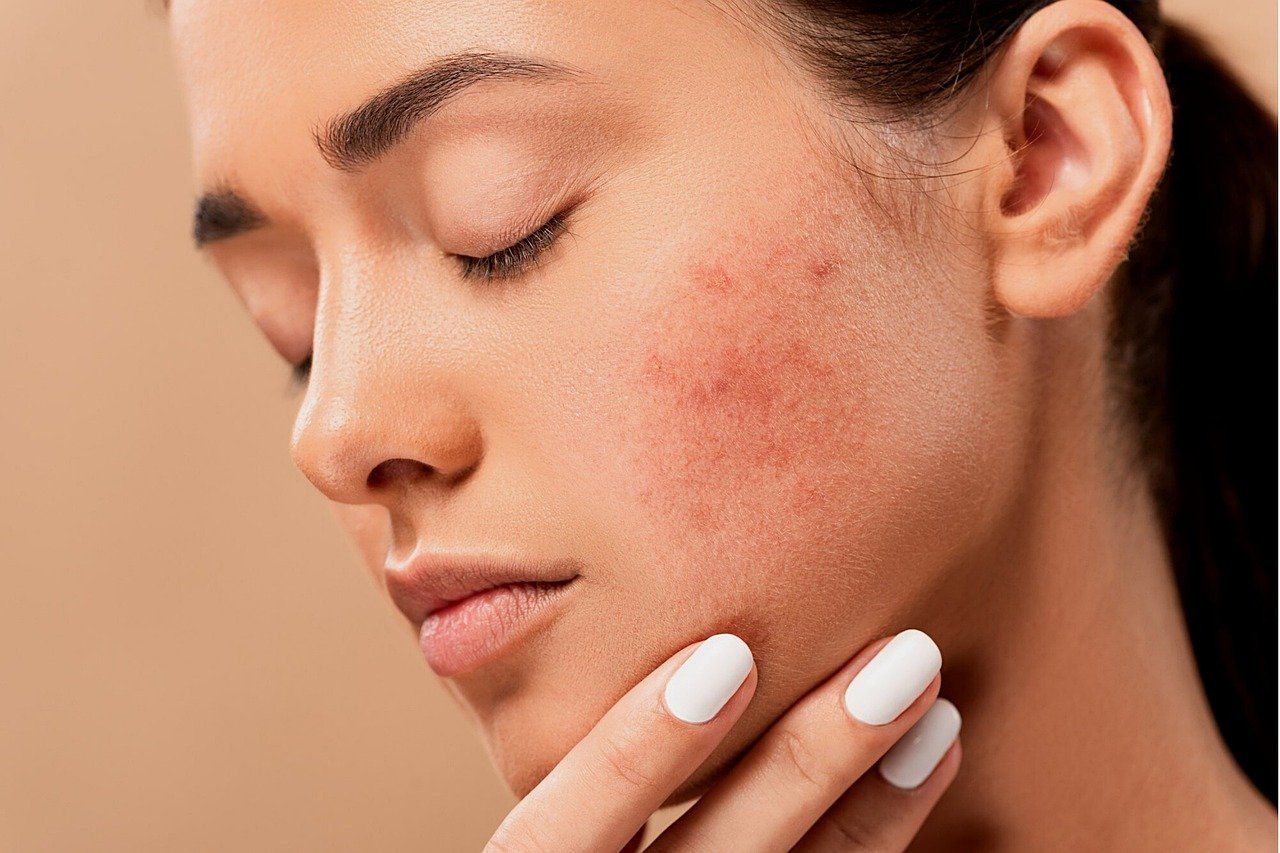
We know the acne as a problem affecting teenagers, but the fact is that many adults, mainly women, continue to suffer from acne after the age of 25, or even develop it for the first time in their 40s or 50s.
No matter what age it appears at, acne is very annoying. In addition, four factors contribute directly to its development: excessive sebum (oil) production, clogging of skin pores by «sticky» skin cells, skin bacteria, and inflammation. However, others also play a role in her challenge.
In the case of adult acne, there are many contributing factors, including from using the wrong cosmetics to undiagnosed health problems. The good news, however, is that there are many treatment options for adult acne, provided that a thorough examination is carried out to identify any underlying causes.
What are the factors that contribute to pimples appearing on your face as you get older?.
Hormonal fluctuations. Fluctuations in estrogen and progesterone levels can affect acne in women, sometimes triggering flare-ups and sometimes promoting remission. Menstruation, pregnancy, postpartum, and breastfeeding are periods in a woman's life when she may notice an increase or improvement in acne. Similarly, menopause is usually accompanied by an increase in the problem. In some cases, acne flare-ups can also occur when a woman starts taking contraceptives, when she stops taking them, or when she changes them. Acne can appear even months after such changes.
Mental stress. Studies have shown that stress can trigger acne flare-ups. This is due to its effects on androgens (male sex hormones), which women also have in low levels. Androgens stimulate the sebaceous glands and hair follicles, increasing sebum production (oiliness) and clogging the pores of the skin.
Family history of acne. If a first-degree relative (e.g., parent, sibling) has acne, you may have a genetic predisposition to developing it. In such cases, you are at increased risk of developing adult acne. The good news is that this does not mean it cannot be treated.
Taking certain medications. Sometimes adult acne is a side effect of medication. These include corticosteroids (cortisone), inhaled steroids, certain contraceptives, antidepressants, and antiepileptic drugs. If you are taking medication and wonder whether it could be contributing to your adult acne, consult your dermatologist and physician. Under no circumstances, however, should you stop your treatment on your own, emphasizes Mr. Michelakis.
Certain undiagnosed health problems. Sometimes, adult acne is a sign of an underlying health problem that may not have been recognized. In such cases, treating the underlying problem may also alleviate the acne. However, this occurs in a small percentage of patients. One of the most well-known underlying causes of adult acne is polycystic ovary syndrome, in which women have irregular menstrual cycles, overproduction of male hormones (androgens) and/or multiple cysts on the ovaries. If a woman has this syndrome, she is likely to have other symptoms in addition to acne, such as increased hair growth (e.g. on the face, chest), obesity, etc. On the other hand, thyroid problems such as hypothyroidism are very unlikely to cause adult acne.
Unhealthy diet. A large study published last year in the scientific journal JAMA Dermatology confirmed that a diet rich in fat, sugar, and milk is an independent risk factor for adult acne. The study was conducted on more than 24,000 volunteers (median age: 57 years). Those who suffered from facial acne tended to consume much more milk, milk chocolate, snacks, and fast food rich in fat and sugar. In contrast, they ate much less fish, meat, vegetables, fruit, and dark chocolate (which contains less milk and sugar than milk chocolate) compared to those who did not have adult acne.
Some bad habits. Some bad habits significantly contribute to pimples. For this reason, make sure you never go to bed without removing your makeup and cleansing your face. Gently pat your face dry with a small, clean face towel. Clean your makeup brushes and sponges very often. Pay attention to the expiration dates of your cosmetics. Disinfect your cell phone screen regularly. Do not touch your face unless you have washed your hands thoroughly first. Choose your cosmetics carefully.
The use of unsuitable cosmetics. Not all cosmetics are produced in the same way, nor do they all contain the same ingredients. If you use cosmetics that are unsuitable for your skin type, they may aggravate your acne. The same is true if you use cosmetics that contain oil or clog your pores. If you have adult acne, make sure your moisturizer, facial cleansers, sunscreen, and all your skin and hair care products are labeled «non-comedogenic, non-acnegenic, oil-free, non-pore-clogging.». These products are less likely to cause acne.