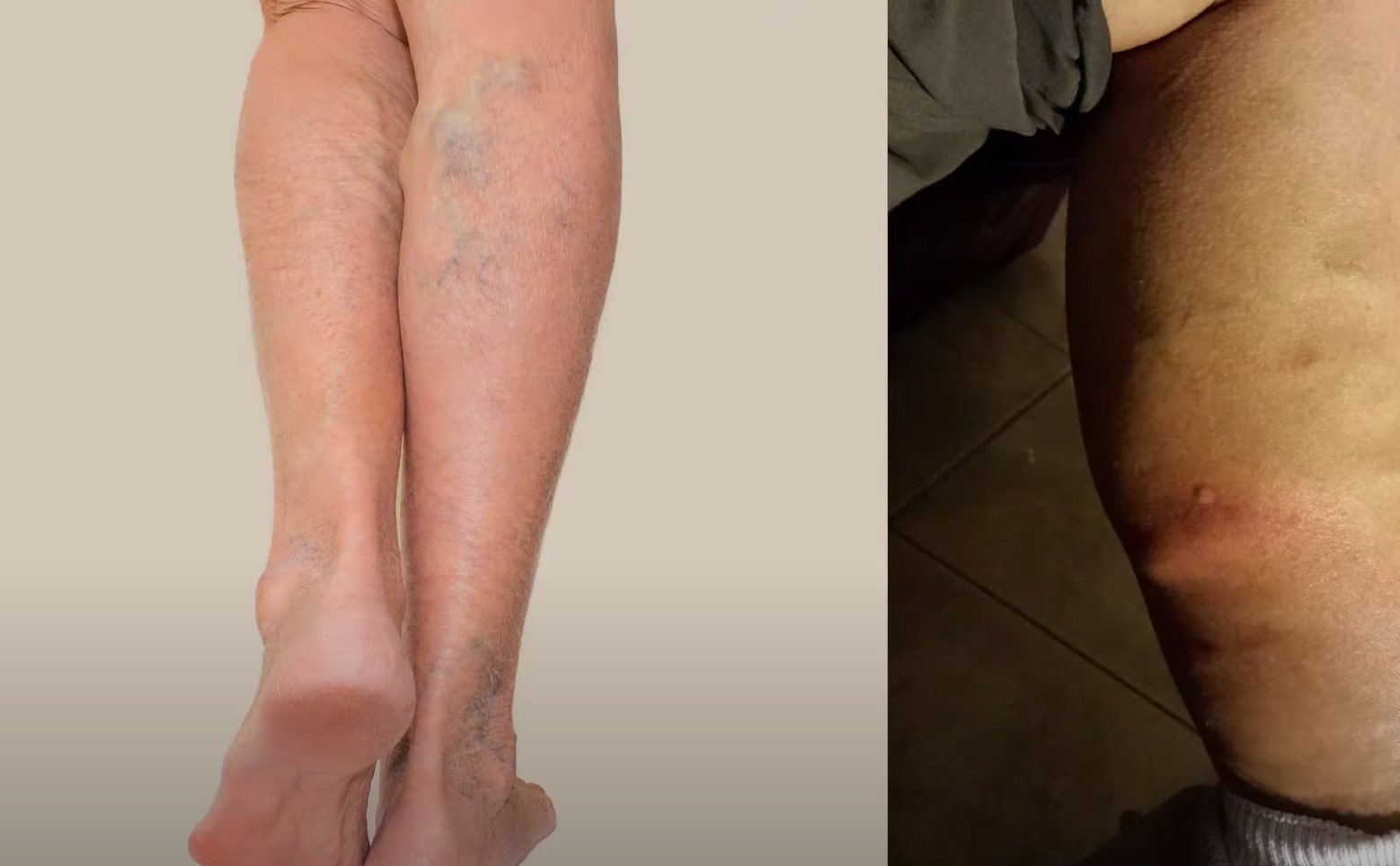
Deep vein thrombosis (DVT) occurs when a blood clot forms in one or more of the deep veins in your body, usually in your legs. DVT can cause pain or swelling in the lower extremities, but it can also develop without any symptoms.
The One in the Depths venous thrombosis It can develop if you have certain medical conditions that affect how your blood clots. It can also occur due to prolonged immobility, such as after surgery, following an accident, or when you are bedridden for an extended period of time.
DVT is a serious condition because blood clots in your veins can break away from where they formed, “travel” through your circulatory system, and reach your lungs, blocking blood flow to them (pulmonary embolism).
Venous Thrombosis: Symptoms
Deep vein thrombosis may present with the following symptoms:
- Swelling in one leg. In rare cases, both legs may be swollen.
- Leg pain. The pain often starts in the shin and feels like a cramp or generalized pain.
There is, however, a high likelihood that EBFTH will occur without any obvious symptoms.
Warning signs of a pulmonary embolism caused by deep vein thrombosis include:
- Unexplained and sudden shortness of breath
- Chest pain or discomfort that gets worse when you take a deep breath or when you cough
- Dizziness or fainting
- Palpitations
- Coughing up blood
Who is most at risk for deep vein thrombosis?
Many factors can increase your risk of developing EBD, and the more of the following factors you have, the greater your risk.
These risk factors include:
Inherited blood clotting disorder
Some people inherit a disorder that causes their blood to clot more easily.
Prolonged bed rest, such as during a long hospital stay
When your legs remain still for long periods of time, your muscles do not contract to help with blood circulation, and this can increase the risk of blood clots.
Injury or surgery
An injury to the veins or surgery can increase the risk of blood clots.
Pregnancy
Pregnancy increases pressure on the veins in your pelvis and legs. Women with an inherited blood clotting disorder are at increased risk. The risk of blood clots from pregnancy can continue for up to six weeks after you give birth.
Birth control pills or hormone replacement therapy
Birth control pills and hormone replacement therapy can increase your blood's tendency to clot.
If you are overweight or obese
Excess weight increases pressure on the veins in your pelvis and legs.
Smoking
Smoking affects blood clotting and circulation, which can increase the risk of DVT.
Cancer
Certain types of cancer increase the amount of substances in your blood that cause it to clot. Certain types of cancer treatment also increase the risk of blood clots.
Heart Failure
People with heart failure are at greater risk of heart failure and pulmonary embolism. Because people with heart failure already have limited heart and lung function, the symptoms caused by even a small pulmonary embolism are more dangerous.
Inflammatory Bowel Disease
Intestinal diseases, such as Crohn's disease (celiac disease) or ulcerative colitis, increase the risk of EBD.
Heredity
If someone in your family has had DVT or has had a pulmonary embolism in the past, then you are more likely to develop DVT yourself.
Age
People over the age of 60 are at increased risk for EBFTH, although it is essentially a condition that can occur at any age.
If you sit for long periods of time, such as on long car or plane trips
When your legs remain still for many hours, your muscles do not contract, which leads to poor blood circulation. Blood clots can form in your calves if your calf muscles remain inactive for long periods of time.