The settlement is located in the centre of the island and appears to have once been a seabed, as the fossilized shells in the area indicate.
From the first Venetian colonists in the Kythera was the James Viaros, which settled in this area. The Viaros family prevailed in the area, the name of which is due to the custom of giving the villages names of the dominant families.
Because the surname Viaros fromwas very, slowly to stand out, the nicknames expanded, e.g. Viaros-Raptakis, Viaros-Athousis, Viaros-Charalampopoulos, Viaros-Kontoleon, etc.
The ancestors of Attik in Kythera come from the Vialos-Raptakis family.
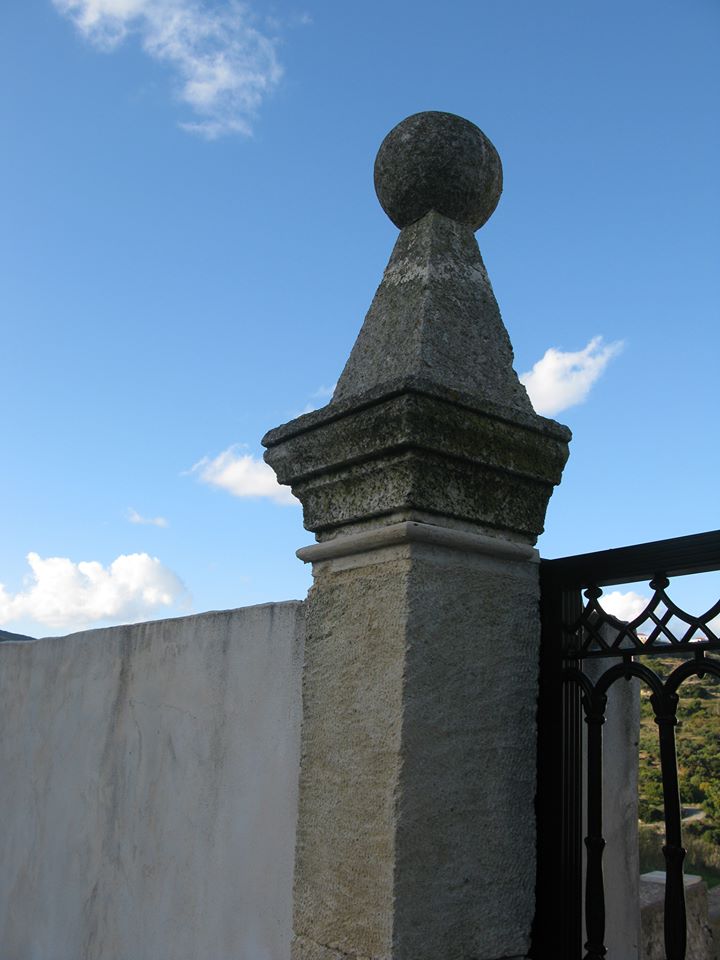
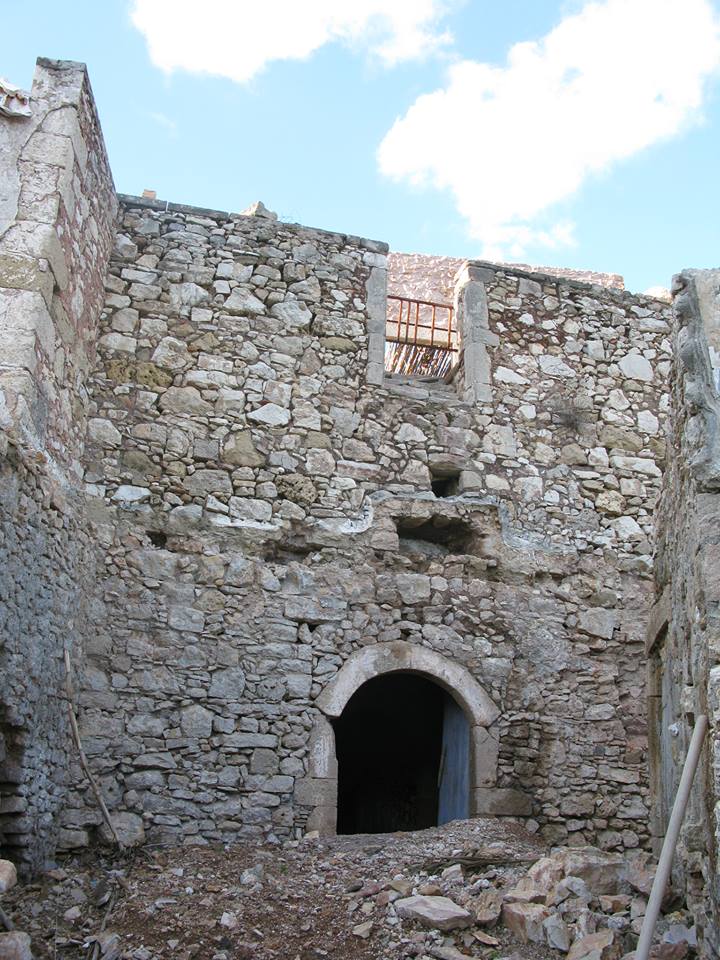
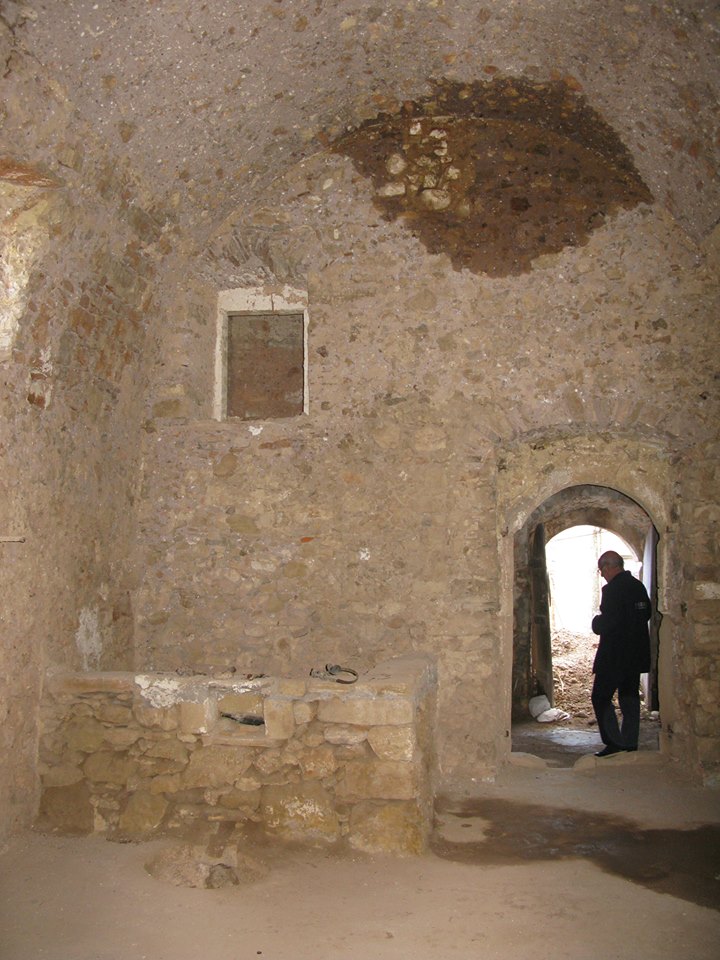
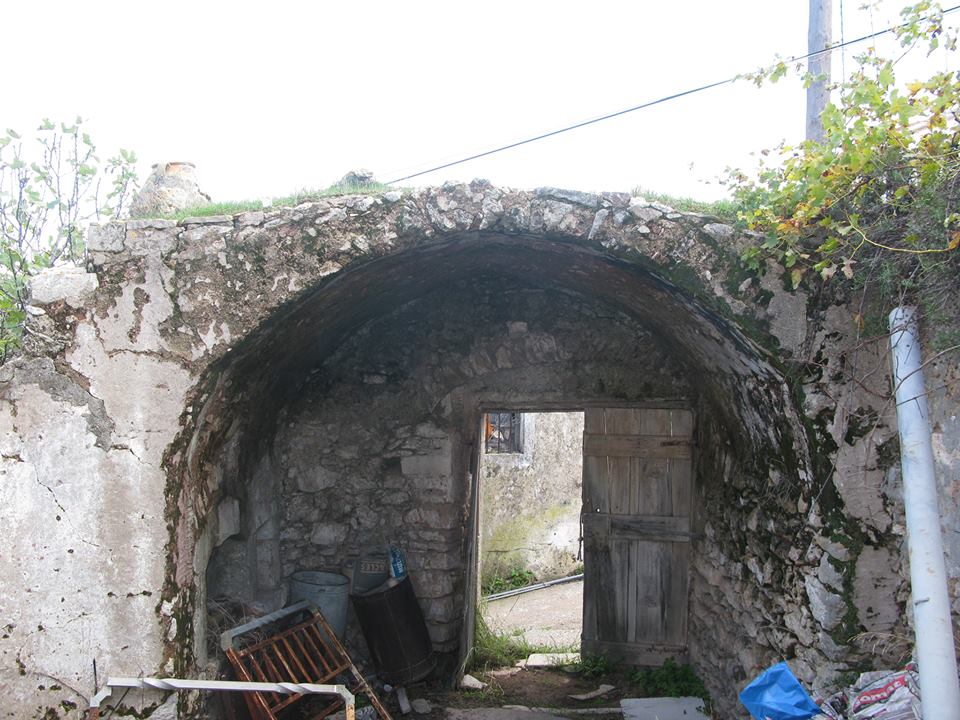
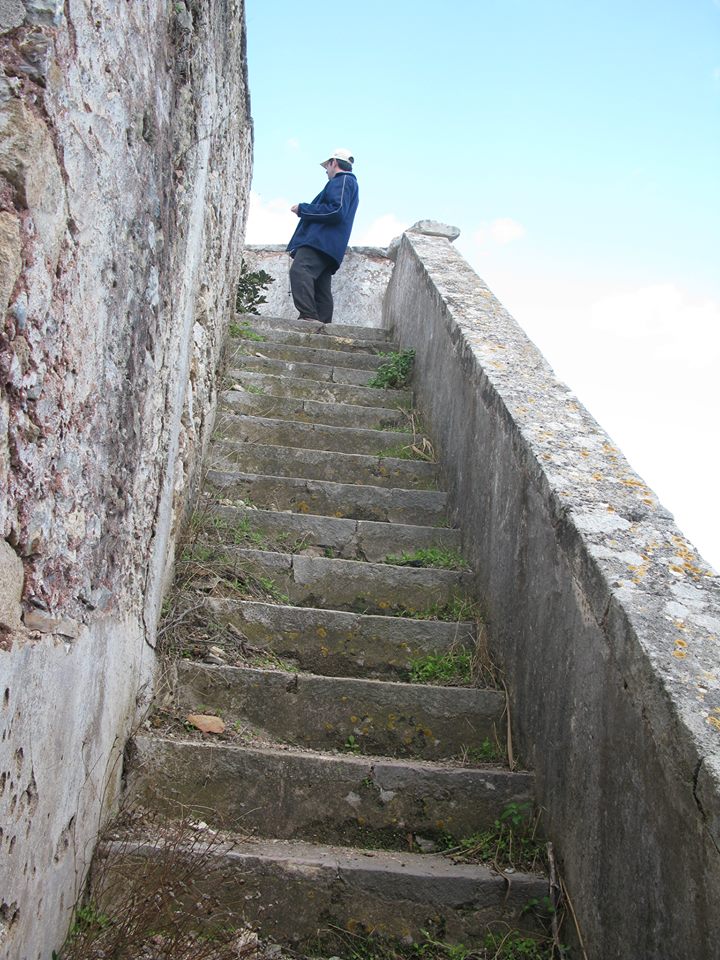
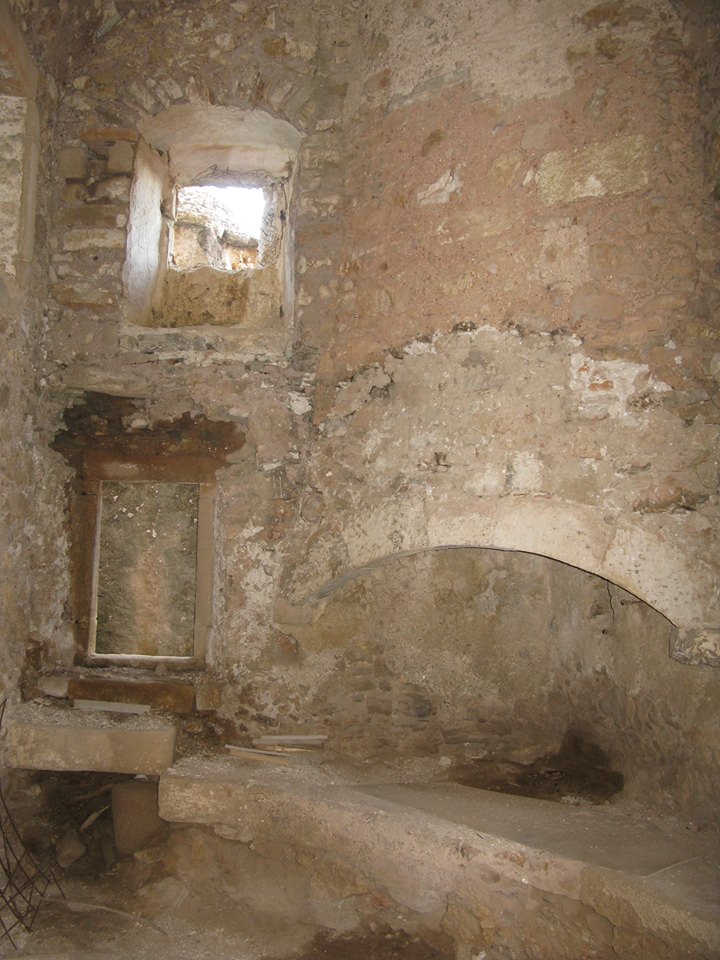
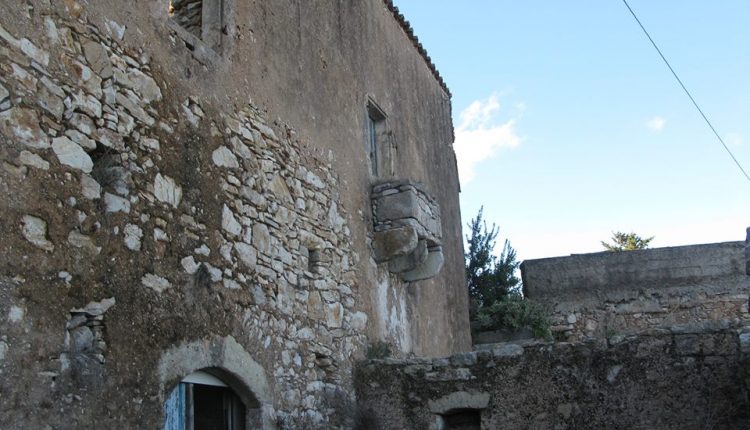
The architecture of the village largely recalls the fortress-like character of the houses in the villages of Kythera for fear of pirates.
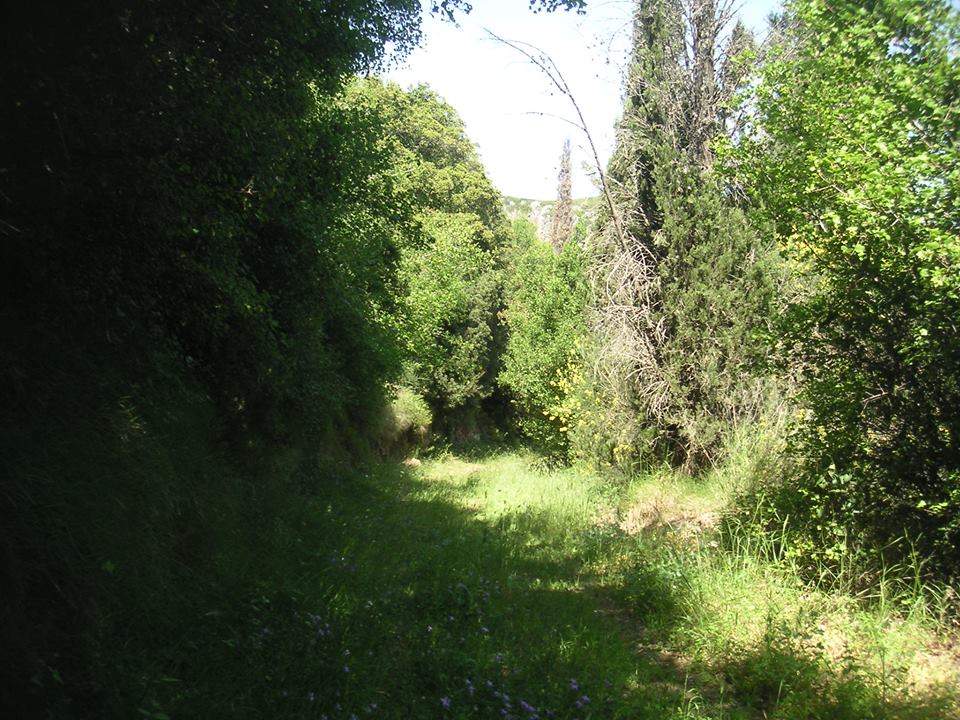
Viaradika is one of the most picturesque villages of Kythera, overlooking a green fertile valley that separates the village from the Mitata across the street. The area of the village fountain is an oasis with running water, plane trees, orchards, cherry trees and janeras.
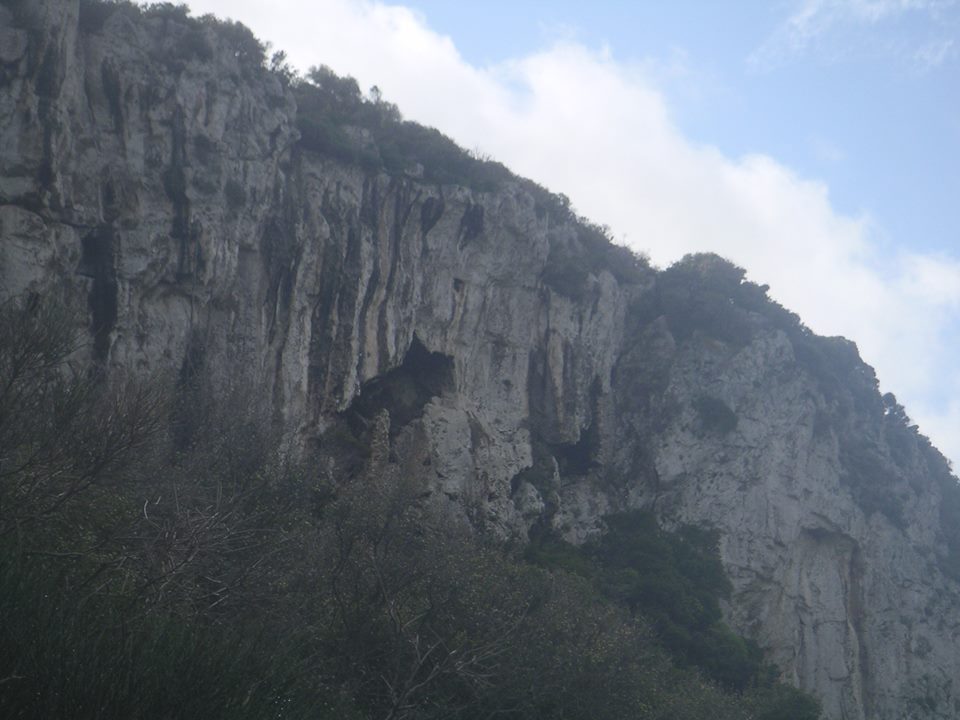
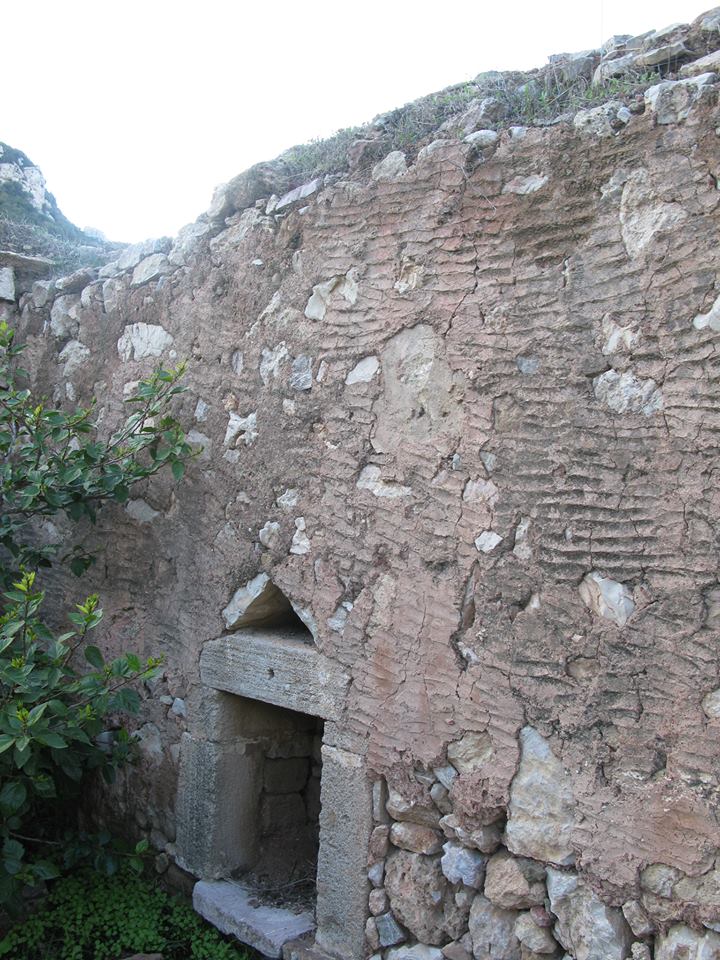
Near the fountain were found Mycenaean tombs and a short distance away is the imposing Gorge of Tsakonas. Climbing up the eyebrows you will discover caves with chapels, which testify to the terror of the inhabitants in the past. The opening in two of these caves looks like a dog chasing a cat. That's why that spot is called Dog and Cat.