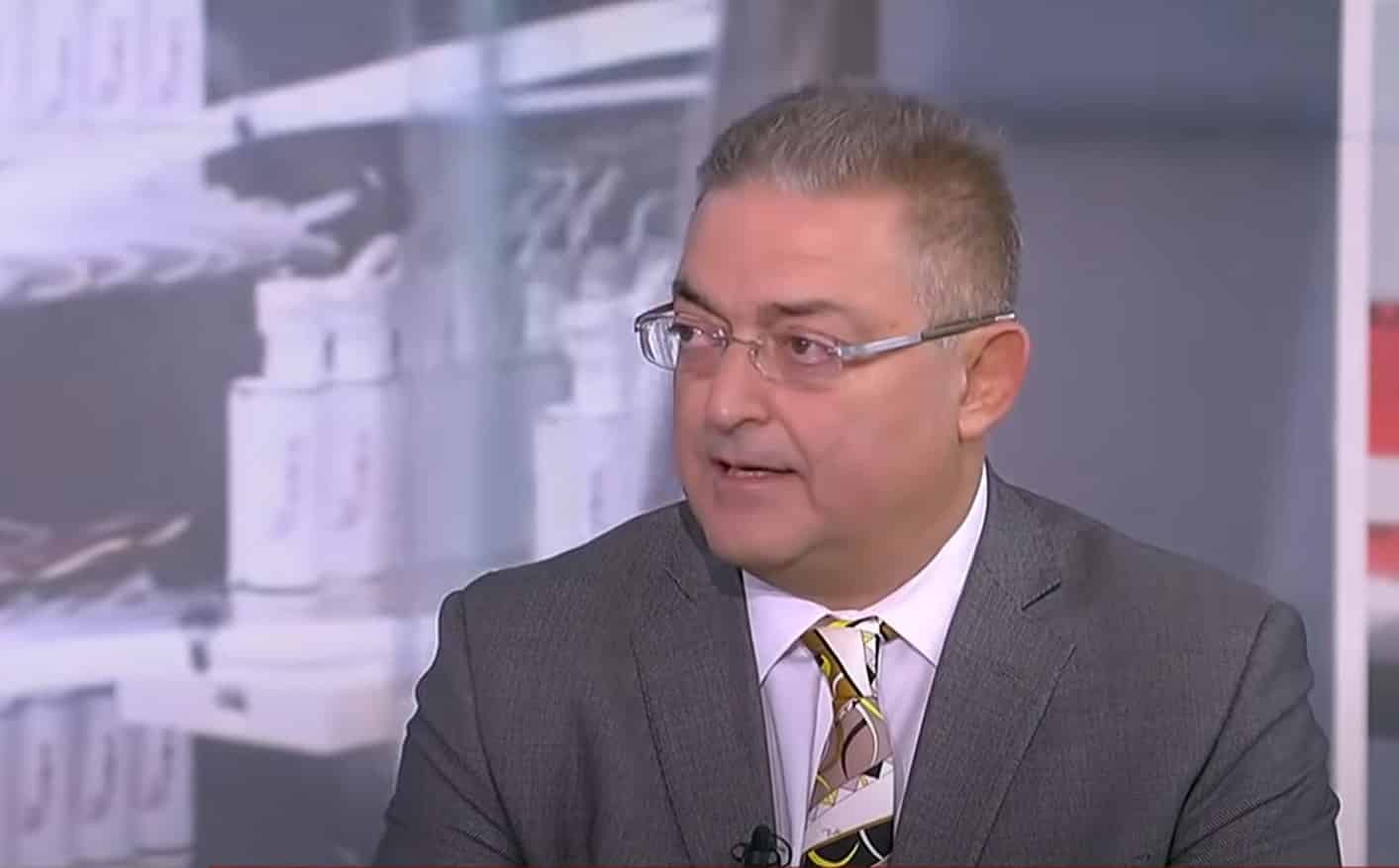
The next mutation of the coronavirus is not certain to be weaker than the Omicron, stressed the professor of pulmonology Theodoros Vasilakopoulos, speaking on SKY's morning show, while referring to the example of Quebec, which will impose a levy on the unvaccinated for the burden they cause to the health system.
«Right now half the world is vaccinated. But in the other half of the world there will be coronavirus transmission. As long as there is transmission, and especially in populations that don't have high coverage rates, there will be constant random errors in virus replication, mutations, and new strains will come out. As a general principle, as the pandemic progresses, the virus weakens and becomes more contagious. But it is not certain whether the next strain from Omicron will be weaker. Delta, for example, was no weaker than the last one. An Omicron might come out again. The possibility of it becoming more pathogenic and deadly is much smaller, but the weakening of the virus is not linear, that every strain of the virus will be weaker,» said Mr.Vassilakopoulos.
Regarding the prospect of a fourth vaccination dose, he commented: «If the rich world goes to booster doses every quarter to be fully covered, those doses will not become available to the rest of the world and we will have new strains coming out permanently from the developing, unvaccinated world and we will be constantly doing booster doses with a vaccine that is less effective each time. The solution is not to do a fourth, fifth, sixth dose of the same vaccine, but to come out with a vaccine that is much more adapted to all the changes that have been made to the virus so far, and from now on any booster dose that comes back will be much more effective for the current strains.».
Regarding the debate on the compulsory vaccine, he cited the example of Quebec: “He says, you are unvaccinated and you are creating a huge problem in the Quebec health system. You're going to pay a huge tax, they're looking for the amount, so you know that you're putting a disproportionate burden on the system because you're depriving the other person of the possibility of having surgery. So, you have a responsibility that has to have some kind of valuation.” Asked if this could be done in Greece, he commented: «What is the difference between Greece and Canada?».