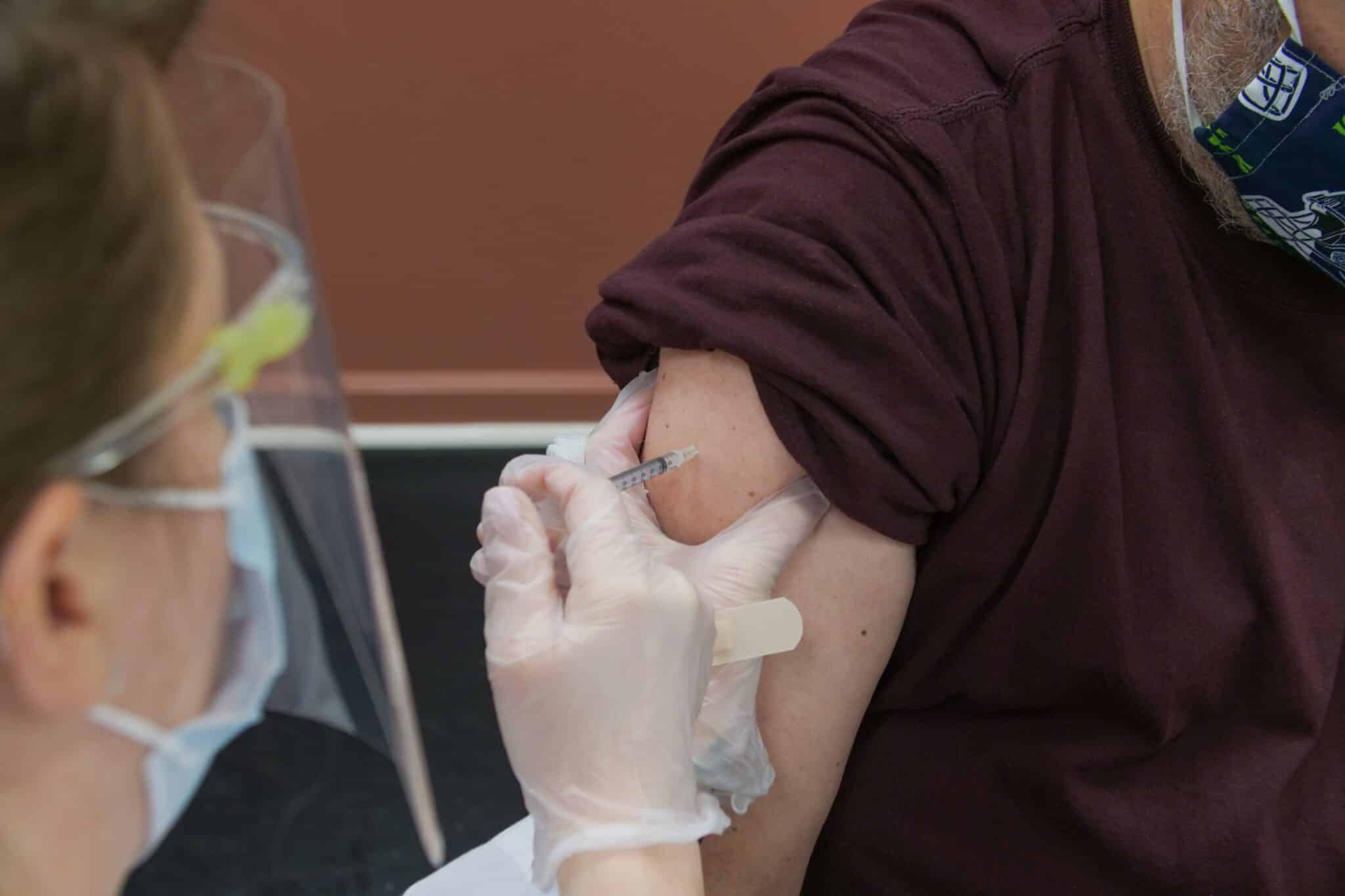
It's far too early to talk about the childhood vaccinations, which will not be mandatory, just as other vaccines are not mandatory except for those required for a child to attend preschool, stressed tonight the professor and chair of the National Vaccination Committee, Maria Theodoridou.
He spoke about the ongoing studies on vaccinating children and added that the risk posed by the coronavirus to children is low, which is why Vaccination should be carried out with great care and only if the epidemiological data indicate that it is necessary. He reiterated that there are studies by Pfizer involving children aged 12 to 15 that are expected to be approved next week, but clarified in response to a related question «that this does not mean that vaccinations for children will begin.». The main goal of vaccinating children is to build immunity and reduce the spread of the virus in the community, he said pointedly, adding, «Let’s not even think about vaccinating children when there are gaps in the vaccination of adults, even the elderly.».
A large part of her remarks focused on the vaccine Astra Zeneca whose eligibility for benefits was recently reviewed Britain and Germany. «Recommendations regarding the AstraZeneca vaccine are based on each country’s epidemiological data,» said the chair of the National Vaccination Committee, Maria Theodoridou, adding that «in the UK, vaccination is now recommended for people over 40, and in Germany, for those over 18. All changes are based on data.».
«One of the other questions we were hoping to have answered is whether it is safe to proceed with the second dose of the AstraZeneca vaccine, and the only country that could provide us with this information is United Kingdom», emphasized Ms. Theodoridou, who said that «it therefore appeared that the second dose is safe and should continue to be administered, except in the rare cases of people who experienced a serious complication after the first dose.».
Ms. Theodoridou also referred to the «mix-and-match» phenomenon—that is, administering a second dose with a different vaccine than the first. She said that this is currently under study and added that Administering a different type of vaccine as an alternative for the second dose is not recommended until there is evidence-based data on its efficacy and safety. On the contrary, as he pointed out, «The first and second doses must still be administered with the same vaccine.».
Finally, Ms. Theodoridou concluded her presentation by calling on citizens to donate blood and explaining that Those who have had the illness can donate blood 14 days after their recovery, while those who have been vaccinated can donate blood immediately or no later than 7 days after receiving their vaccine dose.