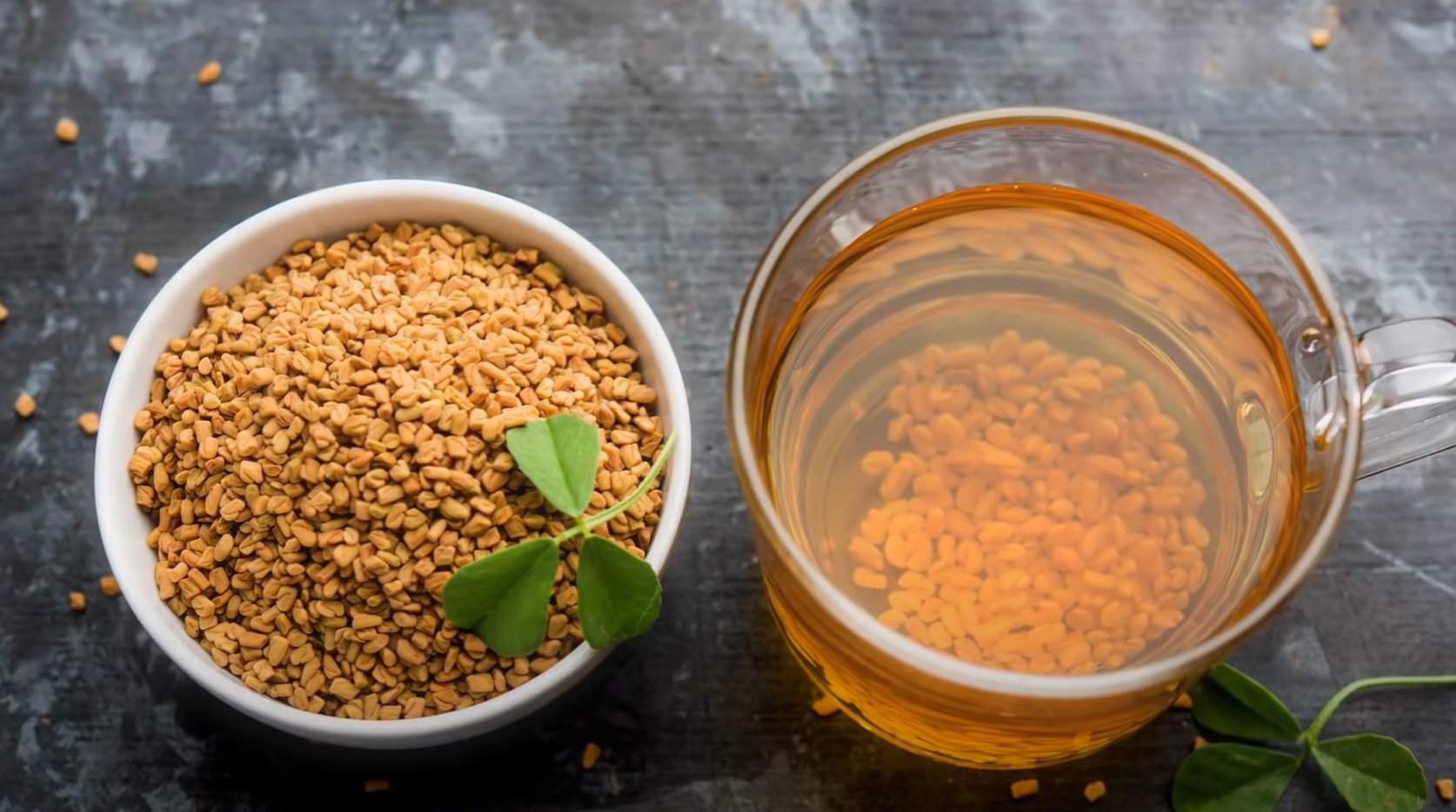
Η fenugreek It is a herb that is unknown to many, but it has been steadily gaining popularity in recent years thanks to its health benefits. It resembles clover and is most commonly found in southern Europe and western Asia. Spices made from its leaves and seeds have a bittersweet flavor, reminiscent of maple syrup or caramelized sugar.
If you want to experience its wonderful benefits, you can look for fenugreek as a spice or dietary supplement. Its beneficial properties extend to many different aspects of our health. For example, it helps regulate blood cholesterol and increases testosterone levels in men. It also plays an important role in managing type 2 diabetes.
Research on the benefits of fenugreek is still in its early stages, but some scientific studies have revealed the following beneficial properties:
♦ Helps lower blood sugar in people with diabetes
This finding was reported in a meta-analysis of 12 studies published in the Journal of Ethnopharmacology. Monitoring blood sugar levels is vital for people with type 2 diabetes, as high blood sugar over a prolonged period poses multiple health risks.
Specifically, according to the Centers for Disease Control and Prevention (CDC), the main threats are:
- Heart disease
- Kidney Disease
- Diabetic neuropathy
- Tooth wear, tooth decay, and gum disease
- Hearing and Vision Loss
The same study also found that, while dietary supplements can potentially cause kidney and liver problems, no such side effects were observed with fenugreek. On the contrary, the most common symptom observed was indigestion.
♦ It may help regulate cholesterol
Fenugreek has been linked to regulating blood cholesterol levels, which in practical terms means that it reduces the risk of heart disease and stroke.
A 2020 meta-analysis published in Phytotherapy Research found that fenugreek supplements reduced levels of total and «bad» LDL cholesterol and increased levels of «good» HDL cholesterol.
♦ It may help increase breast milk production
According to National Center for Complementary and Integrative Health (NCCIH), Fenugreek has traditionally been used to increase breast milk production in breastfeeding women in regions such as Southern Europe, Asia, and North Africa. Some modern research now supports the herb’s benefits for breast milk production. At the same time, however, it was found that other plants, such as the date palm, were more effective than fenugreek.
It should be noted, however, that it may also cause certain side effects. In a 2018 study published in Evidence-Based Complementary and Alternative Medicine, The researchers interviewed 65 breastfeeding women and 56 healthcare providers and found that Taking fenugreek supplements could cause increased thirst and sweating and others.
♦ It may increase testosterone levels in men
A 2020 study published in Phytotherapy Research revealed that fenugreek has a beneficial effect on increasing testosterone levels in men. This property is important, as low testosterone is associated with irritability, poor concentration, and an increased risk of bone fractures. According to Harvard Medical School, as men age, testosterone levels decrease by approximately 1% to 2% each year. In fact, it has been observed that more than one-third of men over the age of 45 have lower-than-normal testosterone levels.
In a 2017 study—which, however, was funded by a herbal supplement manufacturer and published in the International Journal of Medical Sciences, The effectiveness of a fenugreek supplement was evaluated in 50 men aged 35–65. The study found that testosterone levels increased by up to 46% in 45 of the 50 participants.
The same study also highlighted other benefits, such as improved mood, mental alertness, sexual desire, and an increase in sperm count, an indicator associated with fertility.