Scientists in Britain announced that they have developed a new test for the melanoma, the first one capable of reliably predicting the spread or resurgence of this deadliest form skin cancer. The test is based on advances in our understanding of the biological mechanism of melanoma.
Researchers from Newcastle University and the tech startup AMLo Biosciences, led by Professor Penny Lovatt, who published their findings in the British dermatology journal “British Journal of Dermatology,” noted that the groundbreaking test can reassure patients diagnosed with early-stage melanoma that they have a low risk of the disease metastasizing or recurring in the future.
The test, called AMBLor, is performed on a skin sample obtained via biopsy from an early-stage non-ulcerated melanoma (approximately 75% of all new melanomas) and can assess the actual risk of the cancer spreading throughout the patient’s body. Early-stage melanoma that is at risk of spreading secretes the transforming growth factor TGFβ2, which causes a reduction in the proteins AMBRA1, Loricrin, and Claudin-1, which is detected by the test.
«The test provides us with a more personalized prognosis, as it accurately predicts whether the skin cancer is unlikely to spread.". This test will help doctors identify low-risk patients diagnosed with early-stage melanoma, thereby reducing the number of follow-up visits, saving time and money for the National Health System», said Dr. Lovatt.
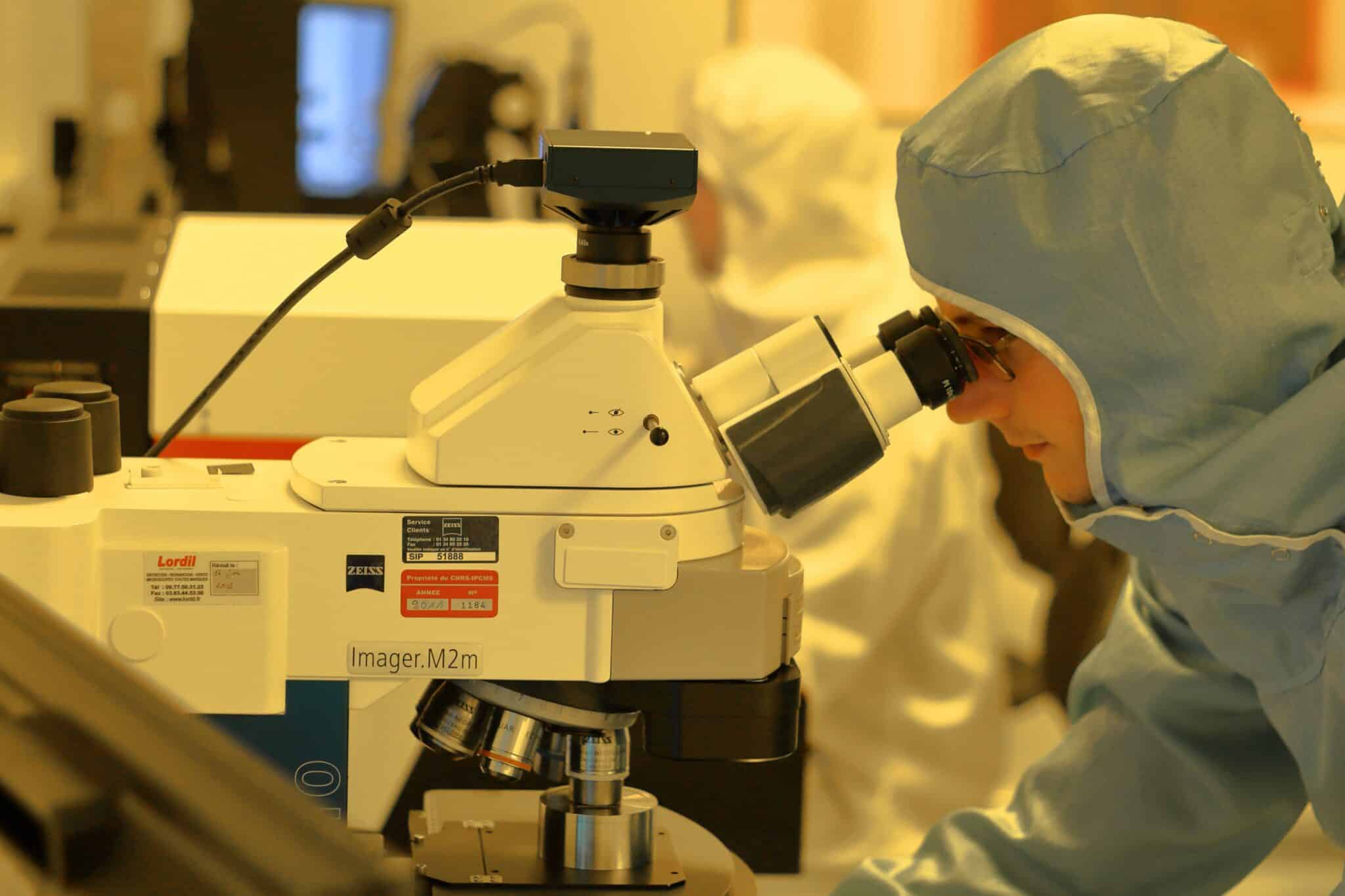
The incidence of melanoma is increasing worldwide, with more than 96,000 people in the U.S. and 16,000 in the U.K. being diagnosed each year with this dangerous form of skin cancer. So far, Primary melanoma tumors are surgically removed and then examined under a microscope., in order to determine the stage of the cancer and the risk of metastasis. Even when considered low-risk, a patient must be monitored regularly for years to come, and it is precisely these patients whom the new test identifies following further laboratory analysis of the biopsy sample.