It is well known that a sedentary lifestyle—which is the only option for many people—is harmful to the heart as well as to a host of conditions, such as musculoskeletal problems, diabetes, Alzheimer’s, dementia, and metabolic disorders. On the other hand, physical activity promotes health and well-being, which is why it is recommended for people of all ages.
Activation of the sole
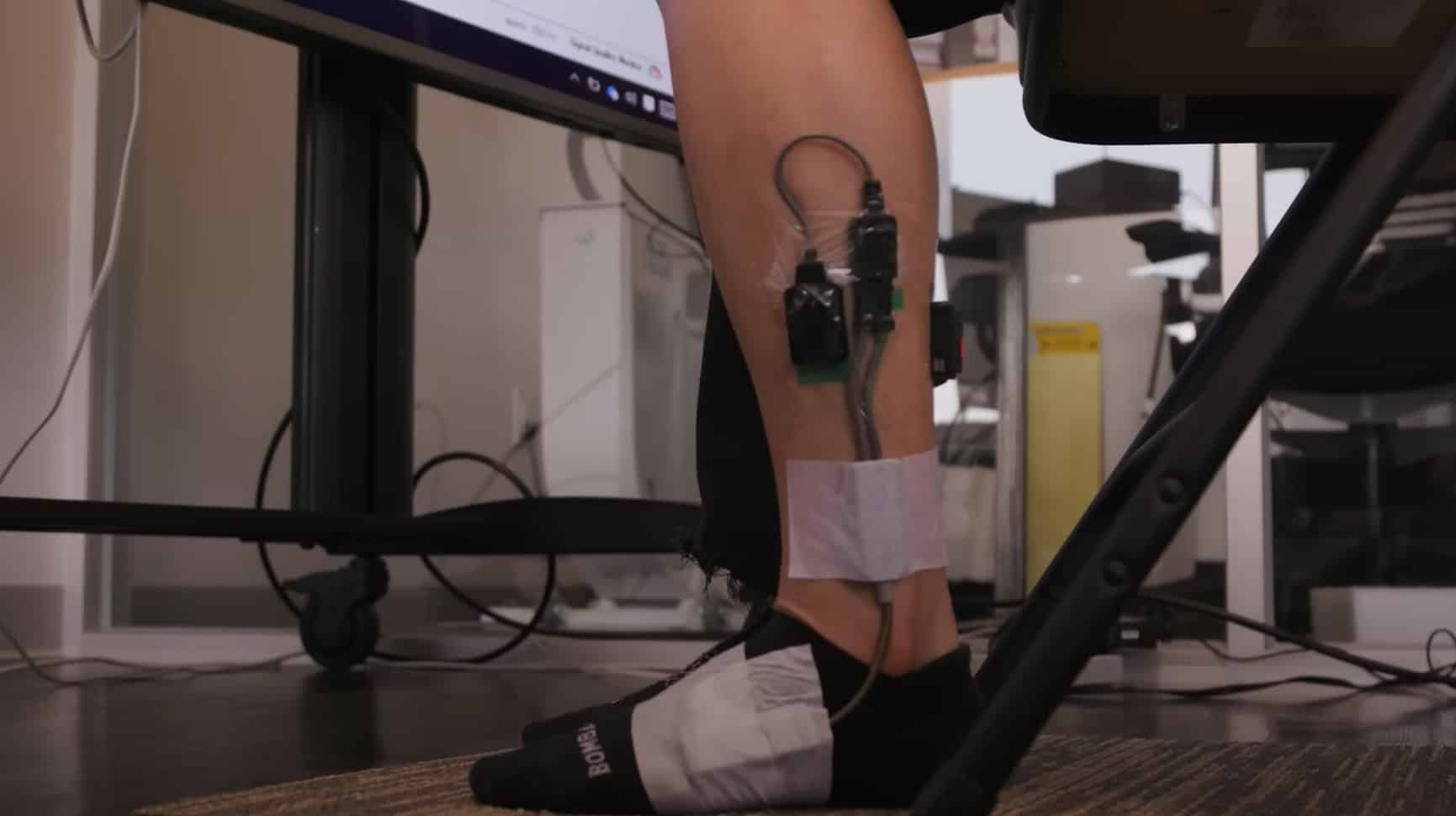
Experts at the University of Houston have researched a technique called the Soleus Pushup (SPU), which activates the soleus muscle in the calf area with the goal of boosting metabolism with minimal physical effort. With this technique, the soleus muscle keeps the metabolism active even when the person is sitting in a chair. This method does not cause fatigue. The foot push involves raising the heel to its maximum height, while the front foot remains firmly on the ground, followed by a slow lowering of the heel.
During the tests, the researchers found that the sole of the foot emerged as the most active part of the body for the breakdown of carbohydrates, such as glucose.
Boosts metabolism
Marc Hamilton’s new Soleus push-up approach for maintaining the metabolism of the soleus muscles also doubles the normal rate of lipid metabolism during the fasting period between meals and reduces blood fat levels (triglycerides).
All study participants responded well to the Soleus Pushup and the associated contractile activities (muscle contractions) and did not experience fatigue or other adverse effects related to muscle contractions, such as cramps, joint pain, or muscle soreness.
The study
This study was conducted with volunteers who had varying levels of physical activity. Specifically, it included both people with sedentary lifestyles and athletes.
As the researchers argued, the Soleus Pushup technique is more effective at regulating blood glucose even more so than workouts such as running on a treadmill or a specialized weight-loss program.
The study’s findings, published in the journal iScience, indicate that no medication to date can match the level of oxidative metabolism achieved by the Soleus Pushup method.
Professor Mark Hamilton of the Department of Health and Human Performance at the University of Houston stated that «despite the fact that the foot accounts for only 1% of body weight, it is capable of increasing metabolic rate during SPU contractions, which can even triple carbohydrate oxidation throughout the entire body.».
52%: higher blood sugar loss
During the study, the researchers found that the Soleus Pushup method led to a 52% greater reduction in blood sugar, while insulin requirements were reduced by 60%. In addition, the body’s fat metabolism rate doubled, and total blood fat levels decreased.