At a point where the choices we make as humanity in the coming months regarding the use of artificial intelligence and technology in general will have a decisive impact on the future is where our planet stands right now.
Choices related to business digitization, workflow automation, the regulatory framework, and climate change.
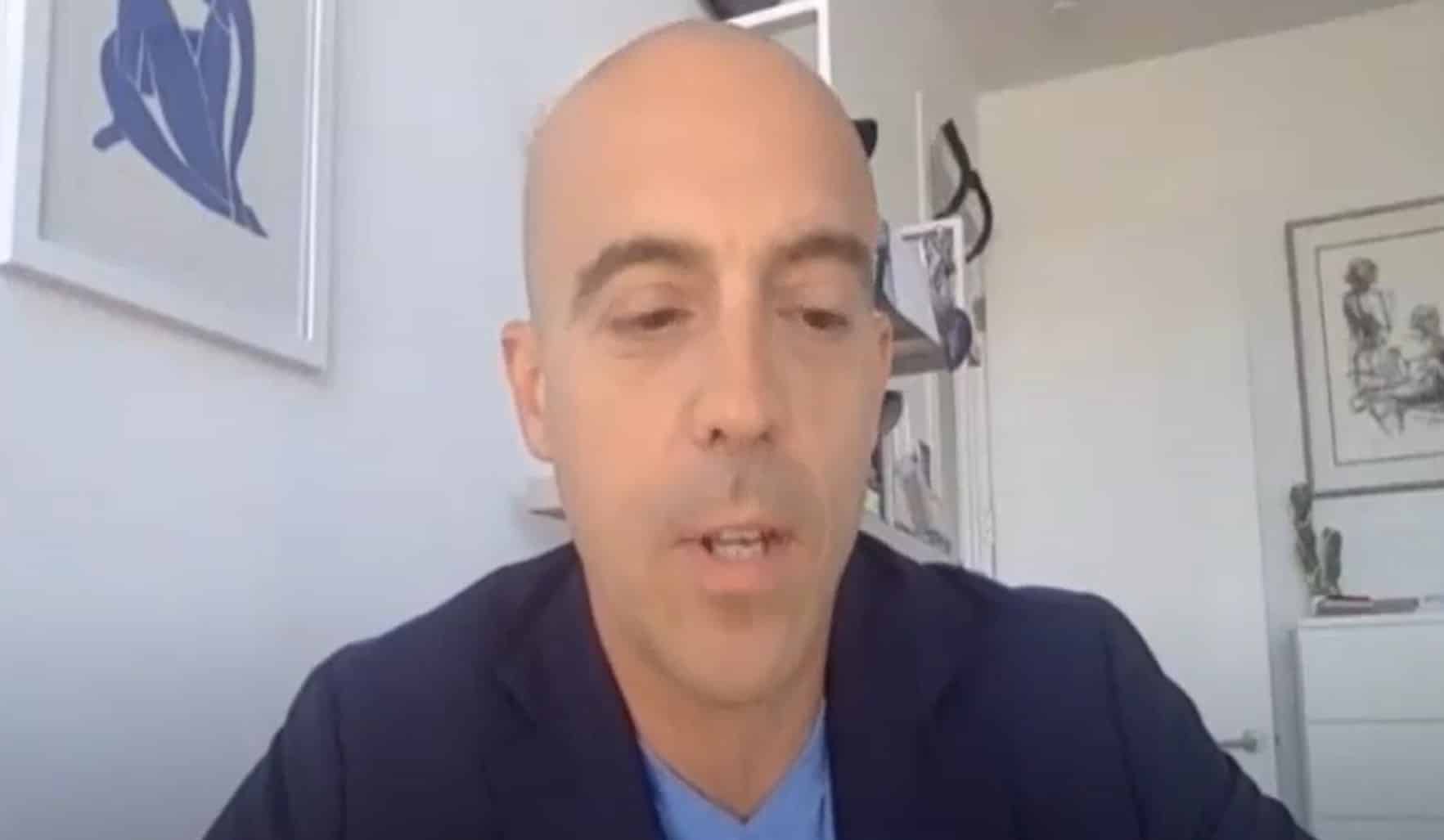
This is the view expressed by Sinan Aral, a professor of computer science and marketing at MIT and co-director of the Initiative for the Digital Economy (Initiative for Digital Economy – IDE) at the world’s most renowned academic and research institution.
According to Mr. Aral Artificial Intelligence (artificial intelligence – AI) conjures up, for most people, the image of machines (or robots, if you prefer) that are autonomous, capable of sustaining themselves, and able to think for themselves.
There is, however, also what we call machine learning (machine learning), in which computer systems learn to follow specific guidelines and make automated decisions by utilizing the available data provided to them and learning from it.
«Right now, we're somewhere in the middle of these two directions,» notes the American professor, though he was quick to add that when it comes to robots with artificial intelligence, we’re not even close to that yet «nor are we certain that we will ever reach that point, as we do not know if we are on the right path toward such a development.».
However, when it comes to machine learning and so-called neural networks, there have been rapid developments in recent years. Mr. Aral notes that neural networks have existed since decade in the ’70s, however, we now have both the computing power and the necessary data volume and storage space to see applications and solutions that leverage Artificial Intelligence being implemented.
«The effectiveness of these tools depends 80% on the quality of the data and 20% on the algorithmic models used,» notes the American professor, who will participate in the SNF Nostos Conference 2021, on the topic of «Humanity and Artificial Intelligence,» organized by the The Stavros Niarchos Foundation at the Stavros Niarchos Foundation Cultural Center (SNFCC), from August 26 to 28, 2021.
The Areas Where AI Will Benefit Us
Mr. Aral argues that artificial intelligence can prove to be extremely useful in a number of fields. «The Artificial Intelligence »It can make us more productive, help us identify information and things we wouldn't be able to find on our own, foster innovation, and, more generally, provide solutions to many problems," notes the American professor.
Some of the areas where AI can provide a significant boost include space travel and healthcare. «However, our values as humanity should be what guide the direction that AI applications take,» Mr. Aral is quick to add. «AI is a hammer looking for a nail,» he says characteristically, noting that we must consider the ethical implications of any AI application.
The ethical aspect The discussion on artificial intelligence is very important, according to Mr. Aral, who stresses that we must avoid discrimination and inequality.
«Discrimination already exists in our society, and this is evident in the available data; that is why we see cases where models discriminate between genders and races,’ says the professor of MIT, for which the issue of AI education is also important.
«It's not just about technical issues. We need to broaden the discussion, and we need more scientists who focus on social issues within the research departments that develop AI algorithms and applications.».
On the other hand, there are fields such as healthcare where artificial intelligence has contributed to significant advances. «It’s better, for example, for a machine to search through millions of images for signs of cancer, since it does so better and faster than a human.”.
This, of course, does not mean that we will no longer need radiologists or professionals in similar fields. And this applies to many other situations in other sectors as well. We must work alongside machines, not against them. This means that the workforce will need to acquire new skills»…says Mr. Aral"
The Critical Crossroads
When asked what the future holds for us, the American professor has an answer that is probably surprising. «Right now, it’s extremely difficult to answer that question because we’re at a critical crossroads, and the choices we make over the next two years will be particularly important for the path we take,» notes Mr. Aral.
«We are in one of those times of crisis where the choices we make will have a major impact on our future.».
One question we need to answer, for example, concerns social media and the many changes taking place there, since, as Mr. Aral—the author of the extremely interesting book—points out Hype Media, their role has changed significantly, and they are having an impact on various sectors.
A second issue is the increased digitization of businesses and the acceleration of this process brought about by the coronavirus pandemic in recent 15 months.
Here, we need to decide how to proceed on issues such as remote work, as well as the areas that businesses will automate, since this will lead to changes in the workforce’s skills.
Also, in recent weeks we've seen quite a few billionaires go into space, and there are many in this particular sector developments. Climate change, too, is a challenge and a major issue on which we are called upon to make important decisions.
And as for the ΤArtificial Intelligence We need to establish a regulatory framework regarding the areas of human life in which we will apply the AI.
Different Approaches
Another issue, however, is that these decisions will not be the same in all regions of the world.
«Countries will make different choices, and we will see various approaches to the United States and the European Union »They are, however, closer to one another than in other regions," says Mr. Aral. He added that there are four factors that influence these approaches: companies’ business models, particularly those involved in digital technologies, the way platforms are designed, the culture of each nation, and the legal framework followed by each country.
As a result, each of the world’s major countries will take a different approach. And this will play its own role in shaping the future ours.