Energy saving programmes in buildings specifically for islands, accelerating electrical interconnections, “greening” of energy production on the islands that will remain unconnected and extension of the initiative “Greco islands” for sustainability actions on the islands are included in the investments to be carried out with funding from the carbonisation fund for the islands.
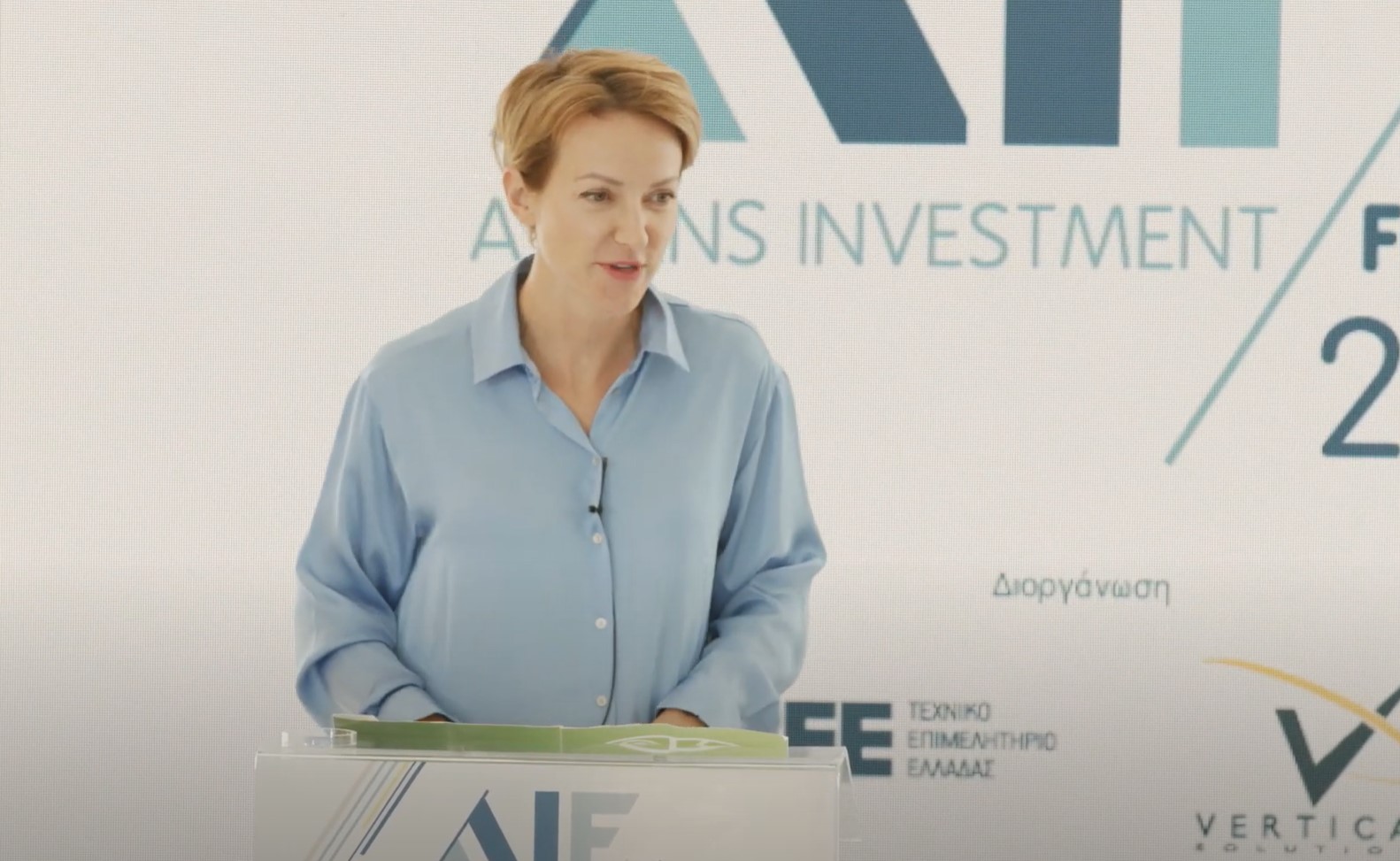
This was reported by the Secretary General of Energy and Mineral Resources, Ministry of Environment and Natural Resources Alexandra Sdoukou, speaking yesterday at an event on «Green Transition Costs and Island Decarbonisation» organised by the Hellenic Association for Energy Economics (HAEE) and the Hellenic Society for Environment and Culture (ELLET).
The fund, which will receive an inflow of resources from the auctioning of unused carbon allowances, is estimated to raise €1-2 billion - depending on the price of allowances - which could be doubled by leveraging additional resources.
As Ms Sdoukou stressed, the implementation of sustainability programmes on the islands can also act as a tourist attraction and called on private companies, in the context of corporate social responsibility, to contribute to the financing of these investments.
Haris Doukas, Associate Professor of NTUA and President of the Energy & Tax Reform Council of ELLET, stressed the need to plan the energy system of the islands together with the local government. «On an unconnected island it makes no sense to switch to electric vehicles when electricity is produced from oil. The question we need to answer is, how many renewable sources will be installed on the islands and with what compensation?», he added. He also referred to the first Greek project in operation for the production and self-management of energy from RES on the island of Tilos, stressing that as a country, both in scientific and business terms, we have and are pioneers in technological solutions.
At the same event, the Kostas Andrirosopoulos, Professor at Audencia Business School, stressed that before the energy crisis the cost of a megawatt hour in the islands (which is shared by all consumers through the Utilities) was already as high as 400-500 euros, which means that it is imperative and will have a significant economic impact to reduce costs by promoting renewable sources.