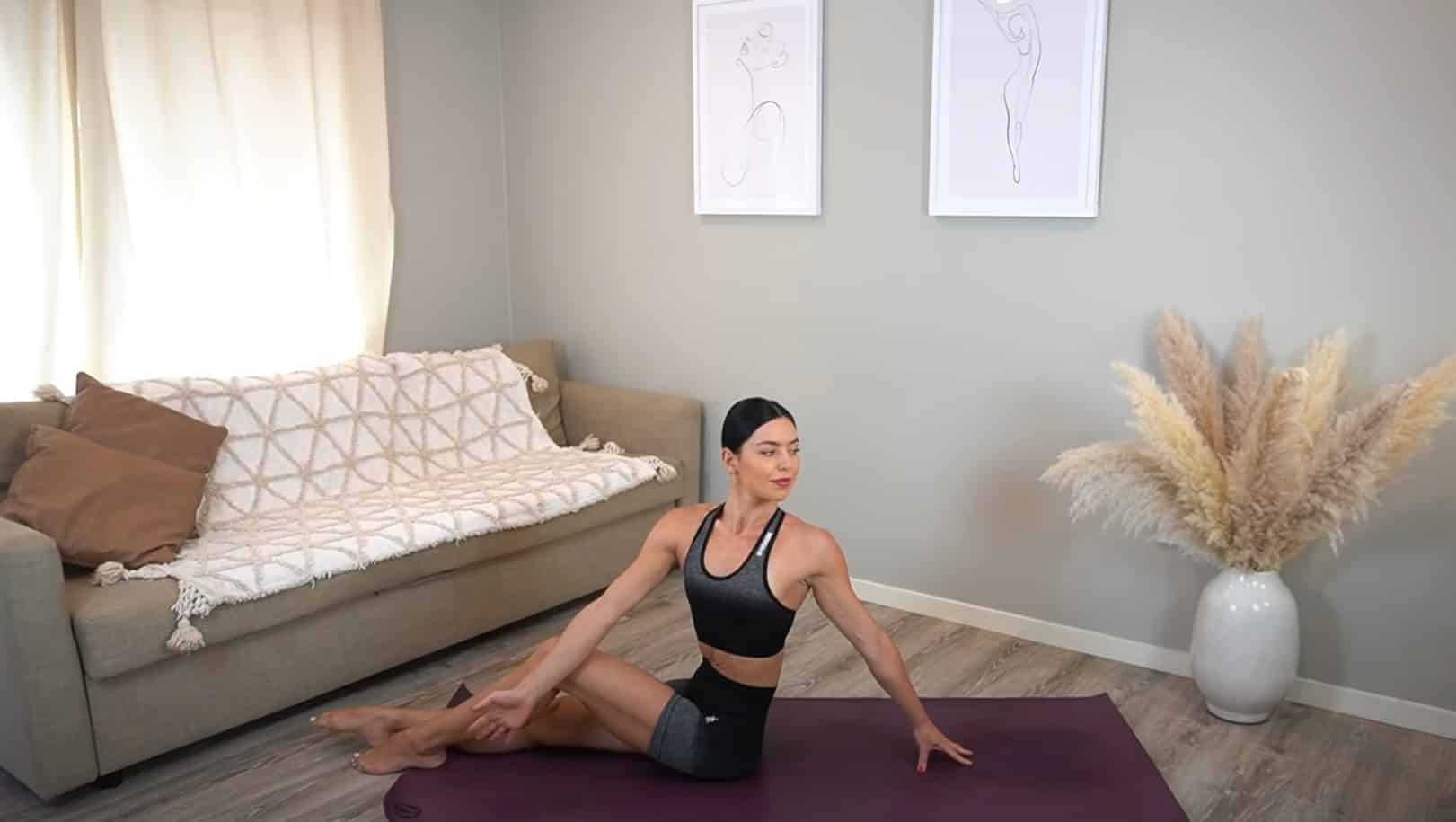
Pilates is an ideal form of exercise for older adults, especially seniors. Learn about its benefits for your body.
Throughout our lives, our bodies undergo tremendous changes. We all know that as we get older, our bodies need more care, while the natural process of cell regeneration slows down.
For most people, the most noticeable changes that occur are aging and a decline in strength, mobility, and balance. Over time, these changes can affect our daily activities, and we may become more anxious about the possibility of injury, all of which can lead to a loss of independence in movement as well as a diminished ability to enjoy daily life.
There is some good news in all of this, however, and that is none other than the fact that a consistent and personalized exercise program can alleviate, halt, or even reverse any “downward spiral” our bodies may experience, whether due to aging or in terms of strength, mobility, and balance.
Pilates is an excellent method for the whole body and mind, low-impact and adaptable to everyone; it is renowned for the alignment it provides to the body as well as for strengthening and improving joint mobility. Regardless of gender, age, or physical condition, Pilates is a method that anyone can follow to achieve their own personal goals. It’s a method that can be your lifelong companion, guiding you toward a better life!
See below why Pilates is the most beneficial form of exercise, especially for older adults.
What Is Pilates?
Pilates—also known as “Contrology”—is an exercise system developed by Joseph H. Pilates in the early 20th century. Joseph H. Pilates, devoting his whole heart and soul to his work, drew strength from seeing his work bear fruit, first for himself and then for everyone else, keeping him strong and healthy until he was 80 years old.
Pilates is widely recognized as the method that It focuses on the center of the body; in other words, its focal point is our core. In reality, however, it is a full-body workout. It was designed to aligns the body, correcting muscular imbalances and strengthening movement patterns. Pilates works with our breathing, targeting our smaller, deeper stabilizing muscles. It helps support our joints through exercises that provide a balance of strength, mobility, and flexibility.
There are over 600 variations of exercises that can be performed either with specialized equipment or simply using our own body weight and a mat. Pilates is an extremely beneficial method that offers benefits for both beginners and experienced athletes and exercisers, as well as for people at every stage of life, regardless of age, gender, or ability.
Benefits of Pilates for Older Adults
Numerous studies have shown that Pilates offers many benefits, even for people of different ages and at various stages of their lives. It has been proven that those who practice this method enjoy a good quality of life.
Of course, we should always consult our doctor before starting any form of exercise, and if we have a specific health issue, it’s best to work with a qualified instructor through private lessons before joining a class. The progress you’ll see with the Pilates method exceeds expectations and is truly unmatched by other methods.
What are the benefits of
- It may improve bone density
Studies have shown that Pilates can improve bone density, especially in postmenopausal women.
Why is improving bone density important? Low bone density means that our bones can break more easily, even during everyday activities like standing or walking. Maintaining bone density as we age is important for preventing the onset of osteopenia and osteoporosis.
- Improves posture
How many times have we heard people complain that they’ve lost height as they’ve gotten older, or that they tend to slouch forward? Poor alignment and poor posture can be attributed to both bone density loss and bad habits.
These factors cause compression of the organs and joints while creating muscle tension and imbalance, which lead to pain. Pilates focuses on aligning and balancing the body, with an emphasis on developing good joint mobility. The combination of strength and flexibility in the muscles that the method offers, along with a deeper awareness of alignment, often leads to better posture.
- Improves balance and gait
Balance and coordination are vital for everyday activities, such as walking. A loss of strength and mobility, combined with poor posture, can trigger a chain reaction that begins with a person’s reluctance to move and often progresses to a fear of falling.
In addition, people often experience changes in their gait patterns as they age. Many lose ankle mobility and subsequently develop swollen, stiff feet, which causes them to either start shuffling or stumble. Pilates improves balance and gait through specialized balance training and strengthening of the core, hips, legs, and ankles.
- Improves mobility
Mobility is the balance of strength and flexibility that allows for a full and controlled range of motion. Strength alone can leave muscles tight, inflexible, and prone to injury. Flexibility on its own can leave the body unsupported, weak, and also prone to injury.
Studies have shown that the smooth transitions from one exercise to the next and the careful, controlled movements of Pilates are an ideal formula for building strength and support, improving range of motion in the joints. This allows for ease of movement in daily activities, making the body more functional.
- It reduces stress and improves your mood
Pilates is a mindful practice based on the principle of breathing in combination with movement. The ability to focus on our breathing and the conscious movements that arise from within us build self-awareness and calm the nervous system.
Studies have shown that Pilates improves our mood by reducing stress and depression. In fact, one study noted that Pilates—more than the other forms of exercise included in the research—offered psychosocial benefits to older adults.
6. Improves memory and cognitive function
Blaming age for memory loss and forgetfulness is a thing of the past. Studies show that exercise, such as Pilates, improves blood flow to the brain, helping to develop new neurons responsible for thinking, memory, and learning.
7. Reduces back pain
Pilates is known for targeting the core, which includes the muscles of the back, hips, inner thighs, and pelvic floor. It acts as a flexible support system that cradles, lifts, and supports the organs and the spine.
When our core is strong, our back is better supported. In numerous studies, older participants reported significant improvement in chronic lower back pain through Pilates exercises, in some cases after as little as 3 months.
8. Boosts the immune system
Studies have shown that Pilates helps boost the immune system, especially in older adults. A study involving men over the age of 65 found significant improvements in immune system function.
Pilates helps improve blood circulation and lymphatic flow, which enhance our body’s ability to eliminate toxins and oxygenate itself effectively.
9. Prevents injuries
Pilates prepares our bodies for all our daily activities, which usually require strength and mobility. In Pilates, significant attention is paid to joint support and stability, which means that having more stable joints makes you less prone to injury. Self-awareness and a deeper connection with our bodies also enhance proprioception, helping us to be more mindful of the demanding movements of daily life and how we perform them.
Conclusion
Pilates is a full-body exercise program designed to align the body, correct muscular imbalances, improve movement patterns, and create a balance between strength and mobility. At the same time, it strengthens the immune system, improves mood, and prevents injuries. So we’re talking about a comprehensive exercise program that’s essential for older adults.
By Christina Vassiliadou, physical education teacher