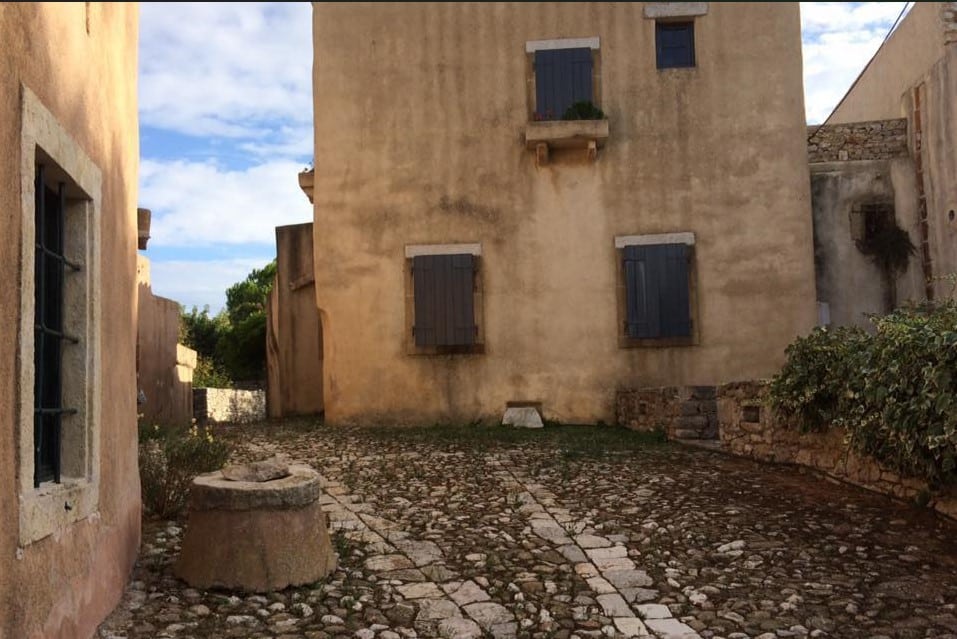
In a social media post, Eleni Harou highlights the art of cobblestone and pebble paving and its evolution on the island of Kythira.
The post reads:
«The art of paving with stones is ancient. The Romans were the great masters of paving and elevated the art to new heights with those immortal works of road construction that have gone down in history as models of engineering. From an aesthetic standpoint, cobblestone pavements are structures of great artistic value; sometimes they serve a public purpose (streets, squares, etc.) and other times private (courtyards, front yards, etc.).
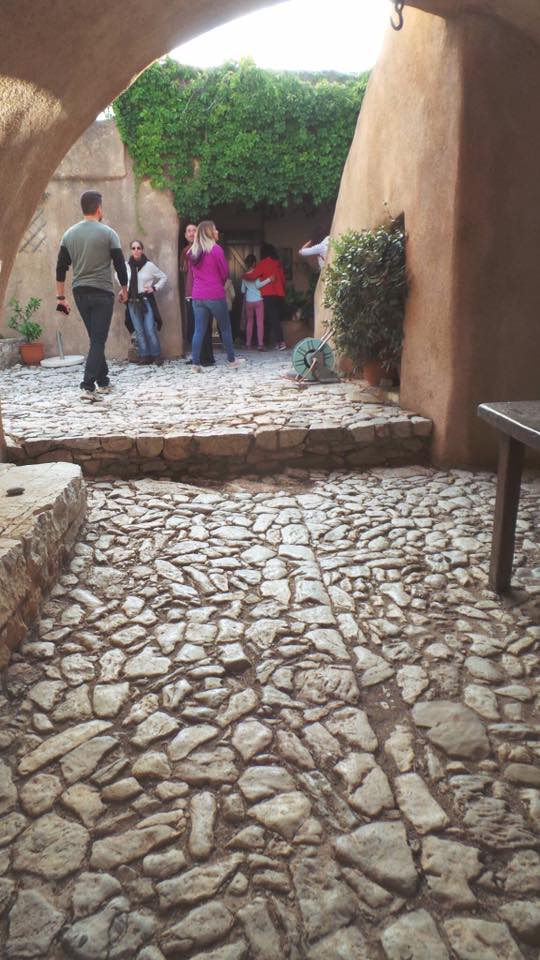
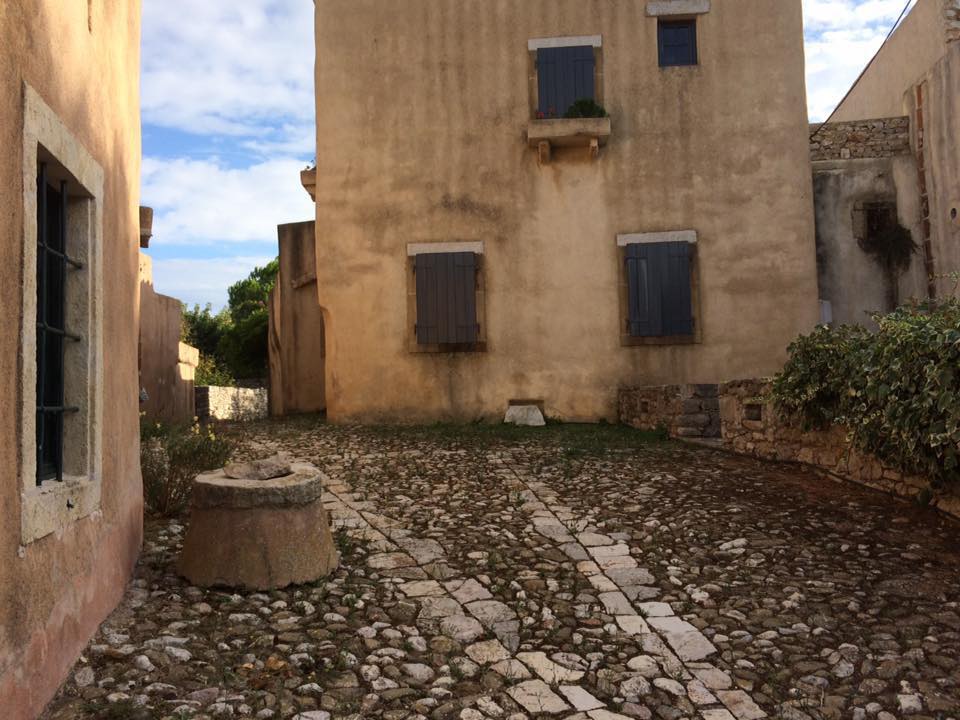
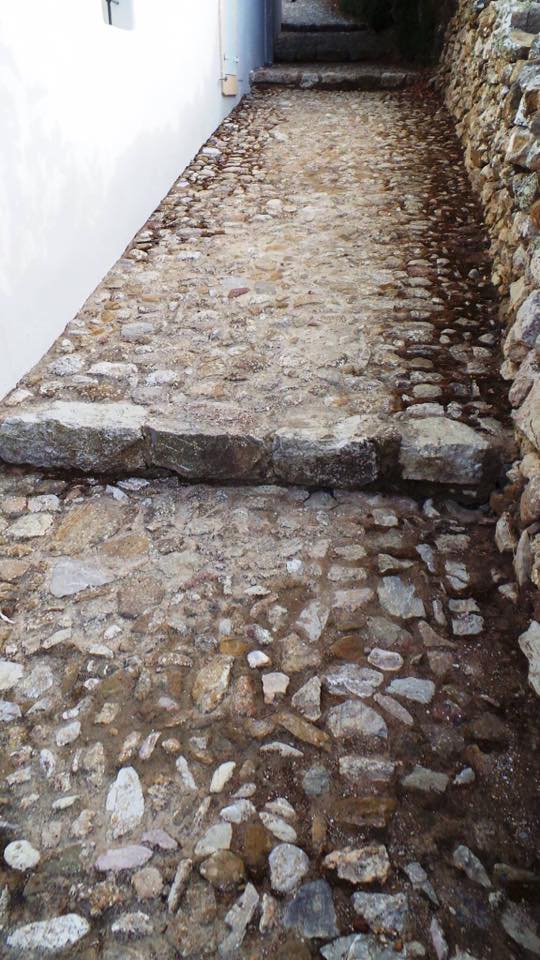
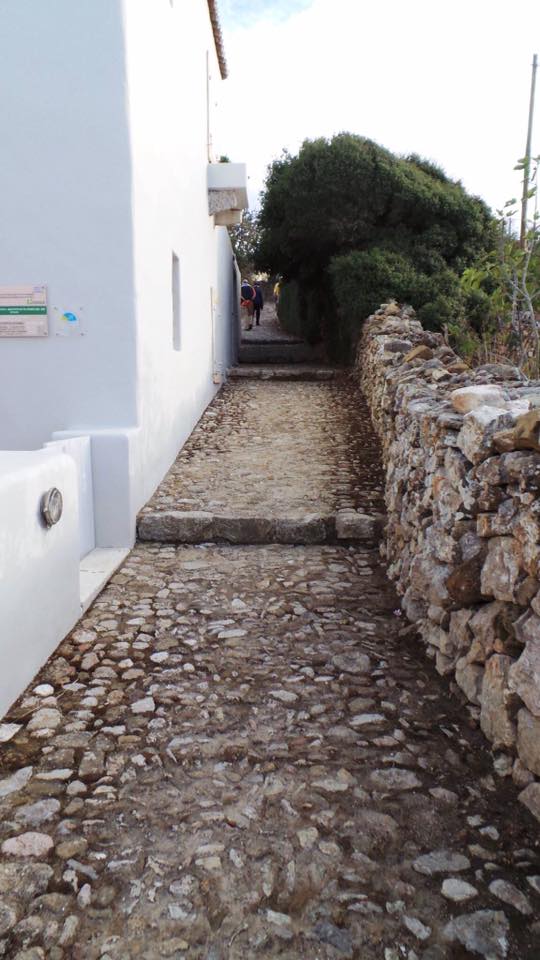
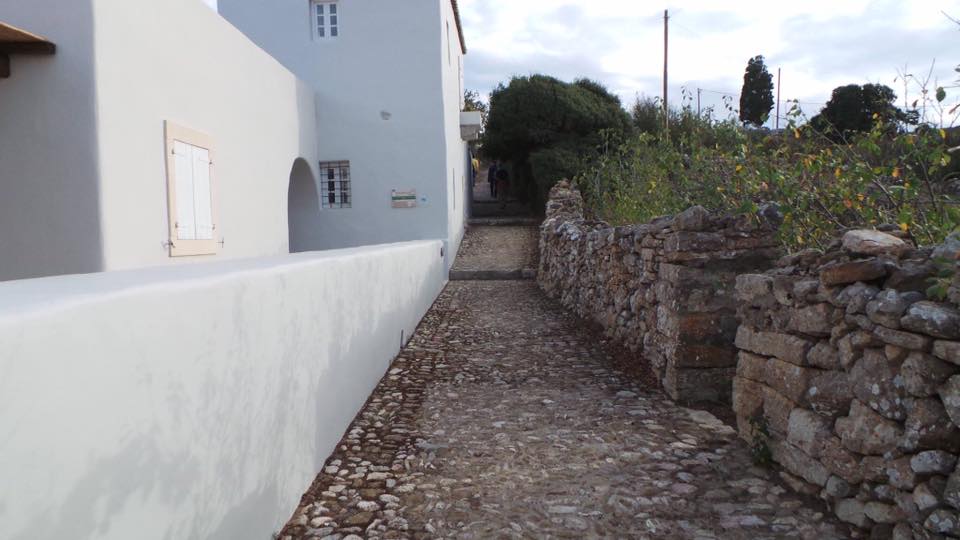
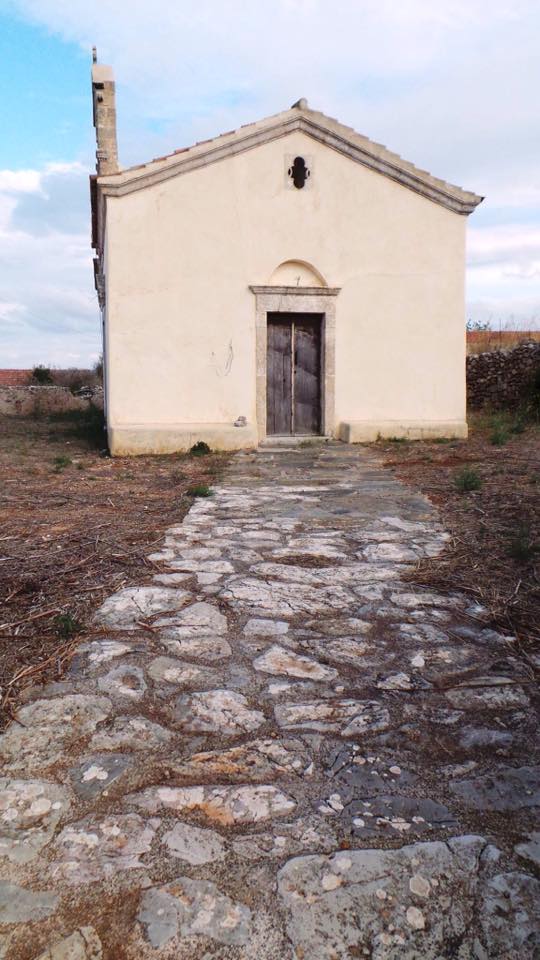
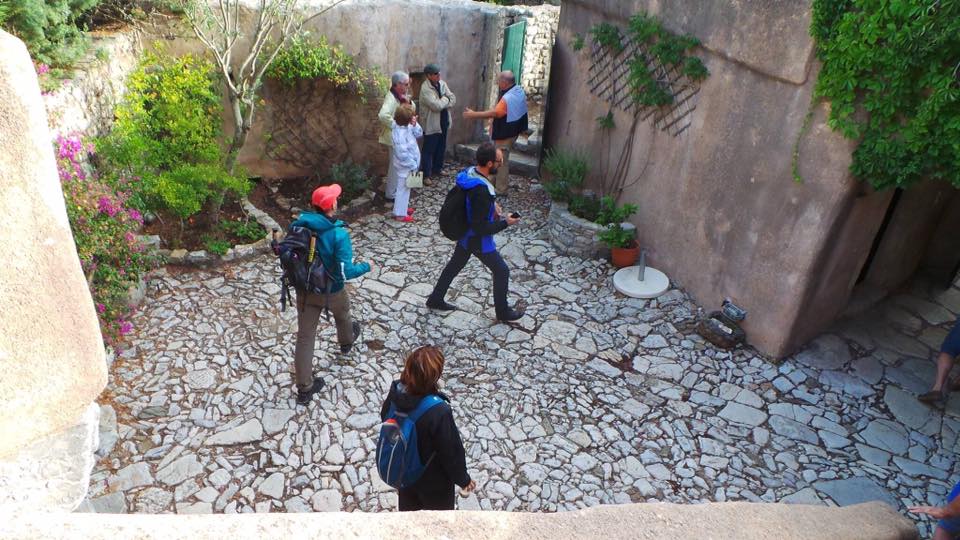
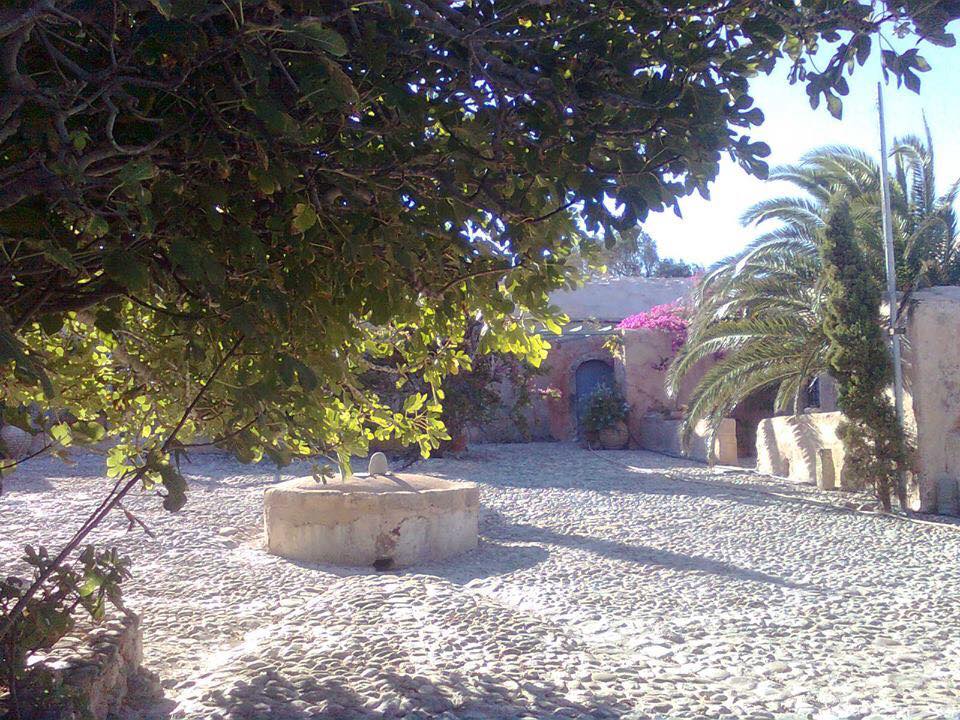
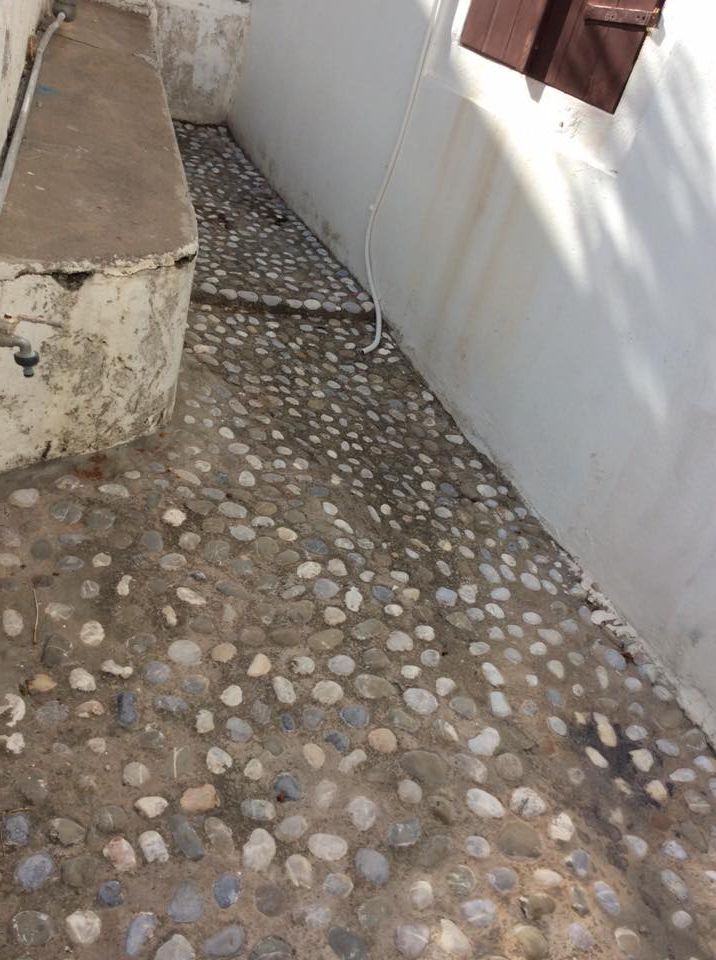
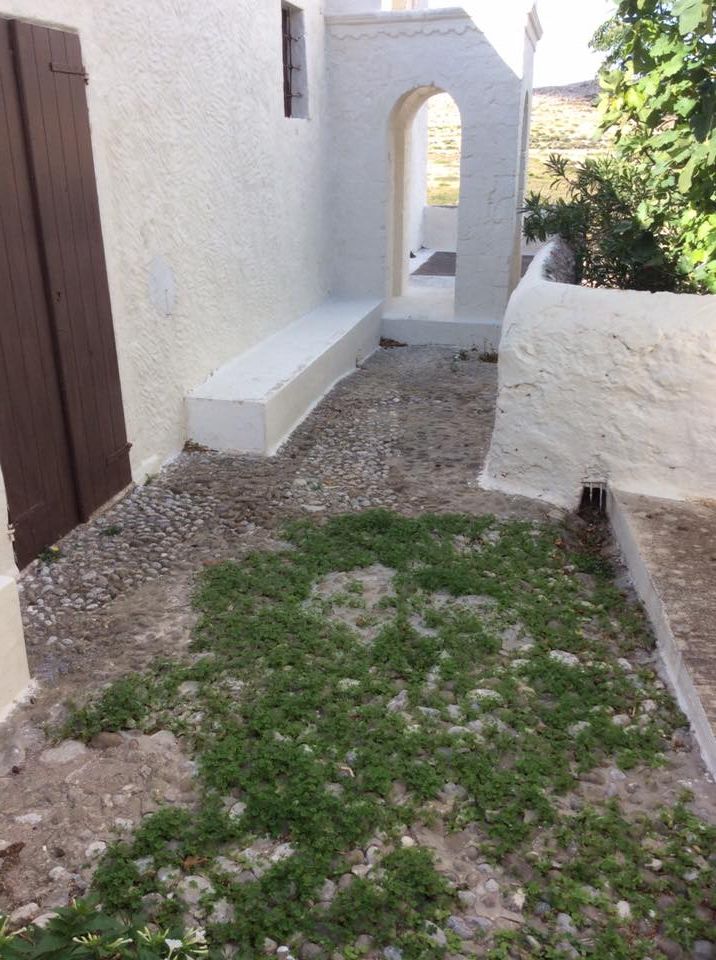
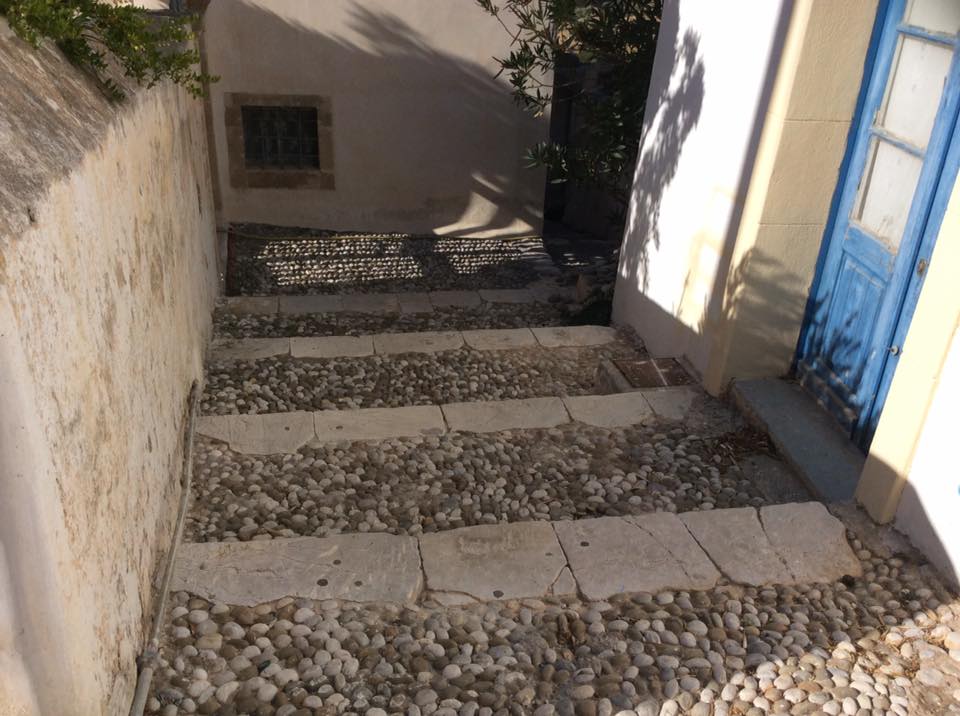
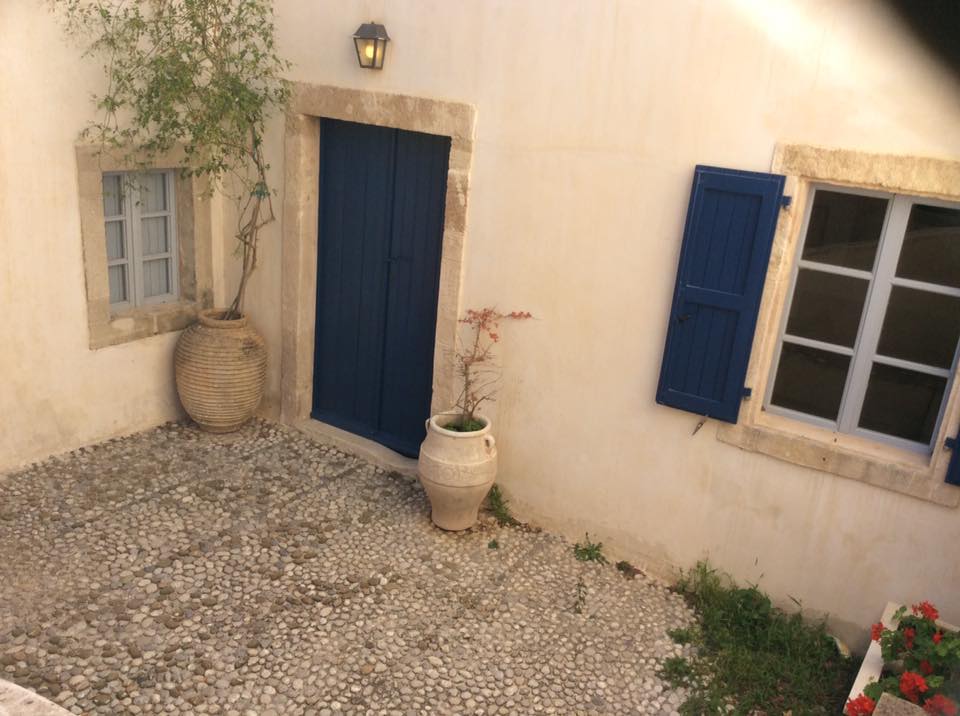
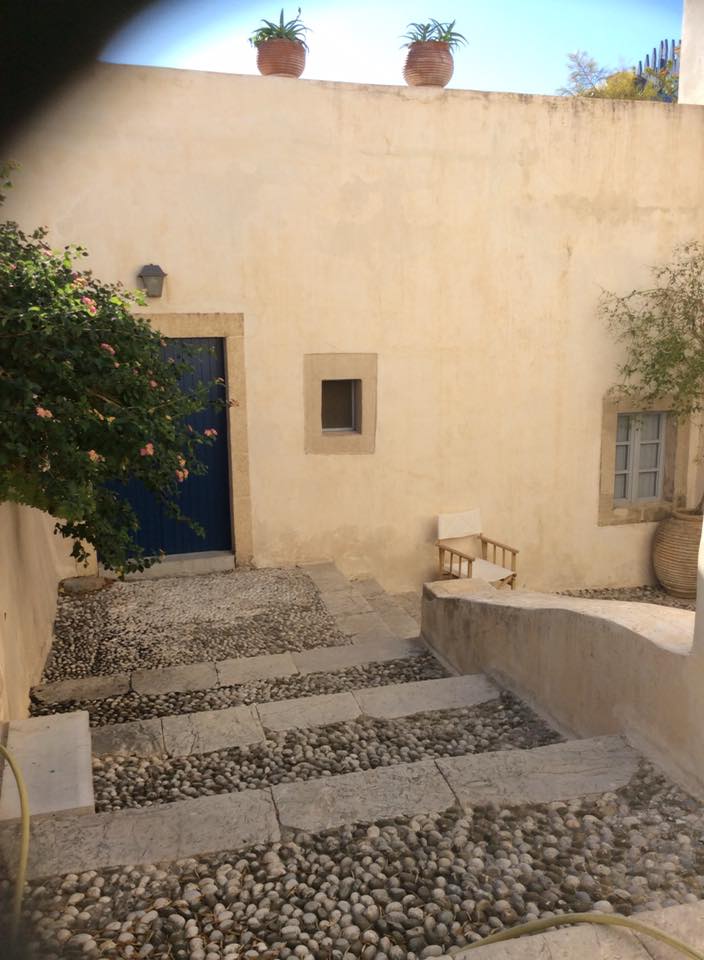
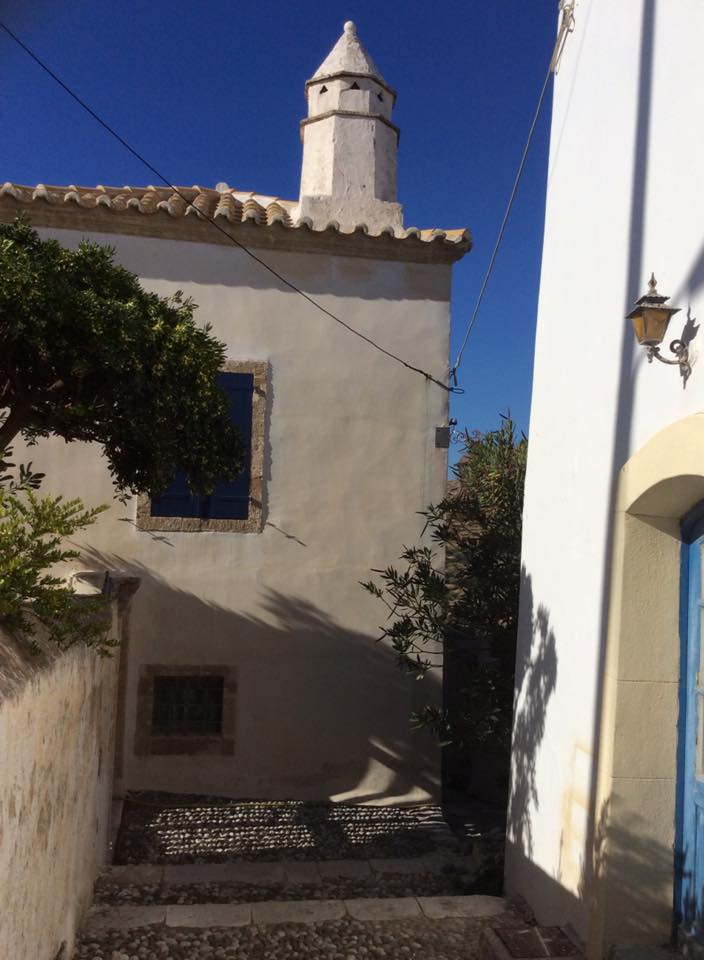
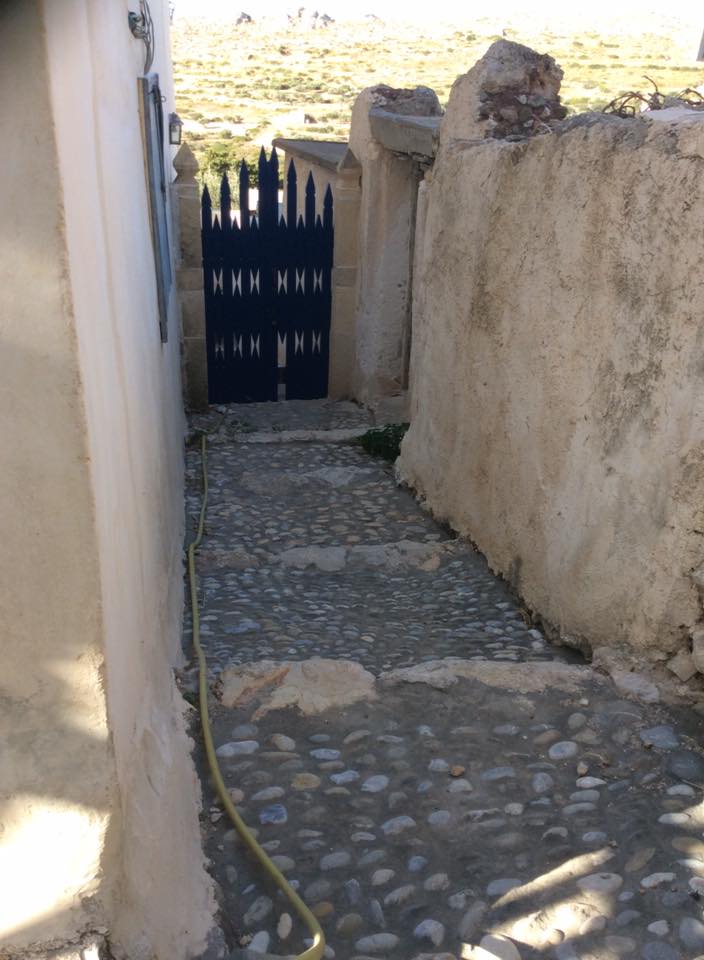
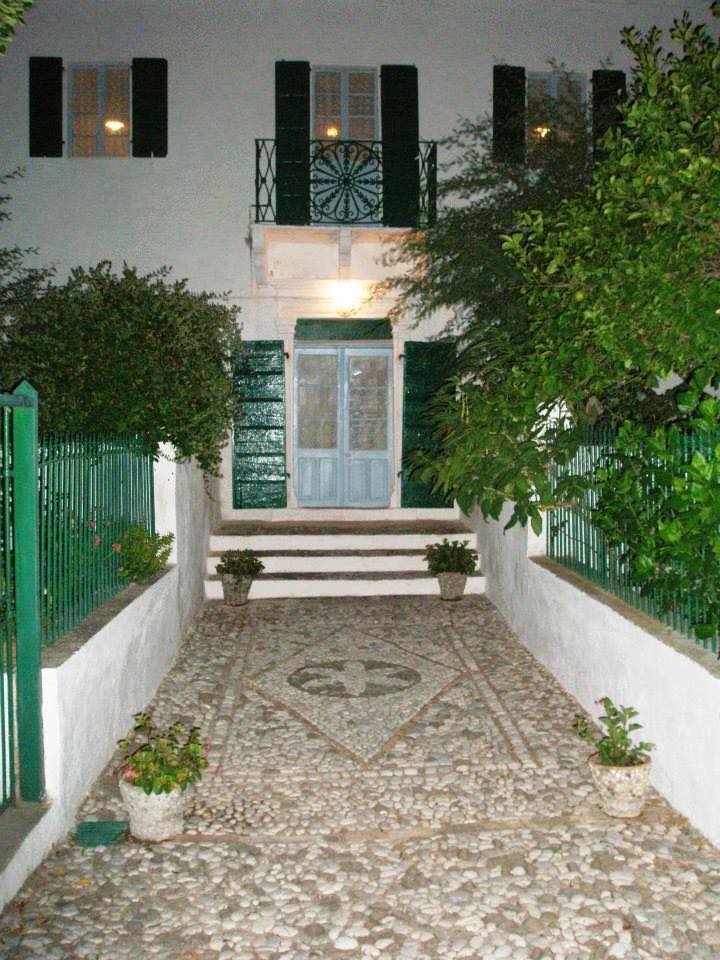
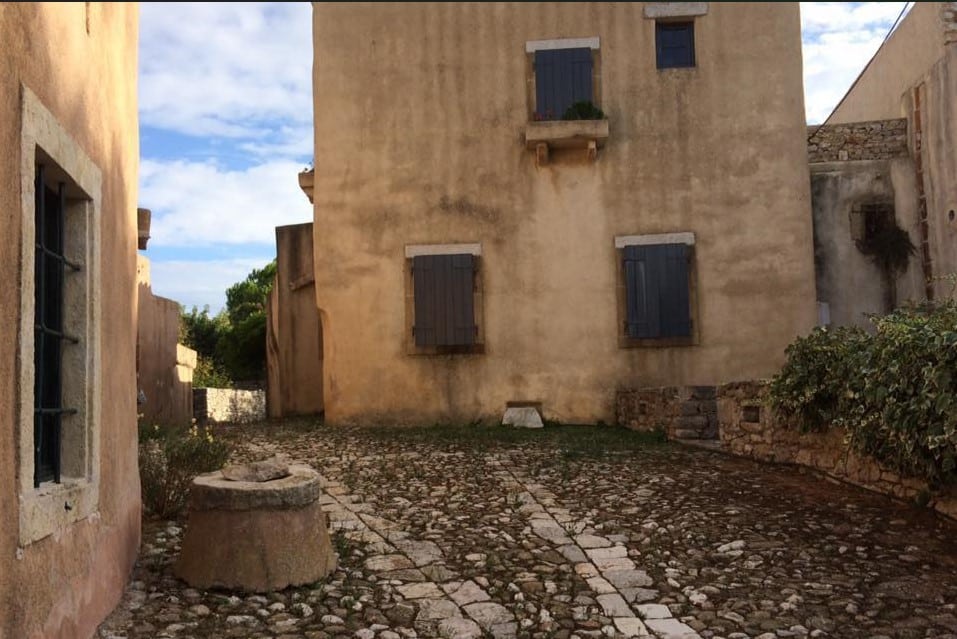
Cobblestone paving is also an ancient technique dating back to antiquity (the cobblestone floors in Pella are particularly famous). In Kythira, there are still some beautiful examples of highly durable cobblestone and pebble pavements, made with local stones laid without cement. These structures are remarkable examples of artistic sensibility, and their charm transports us back to the Middle Ages.
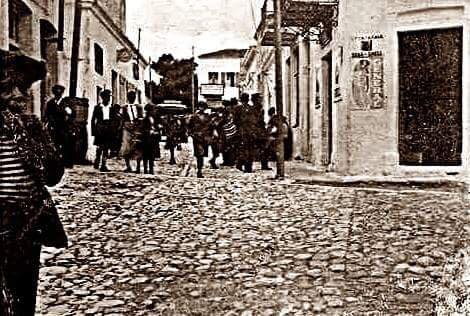
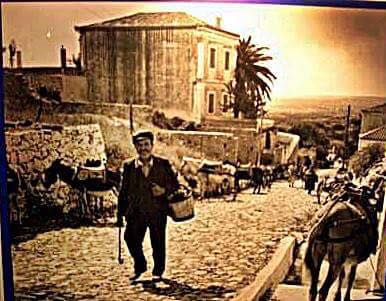
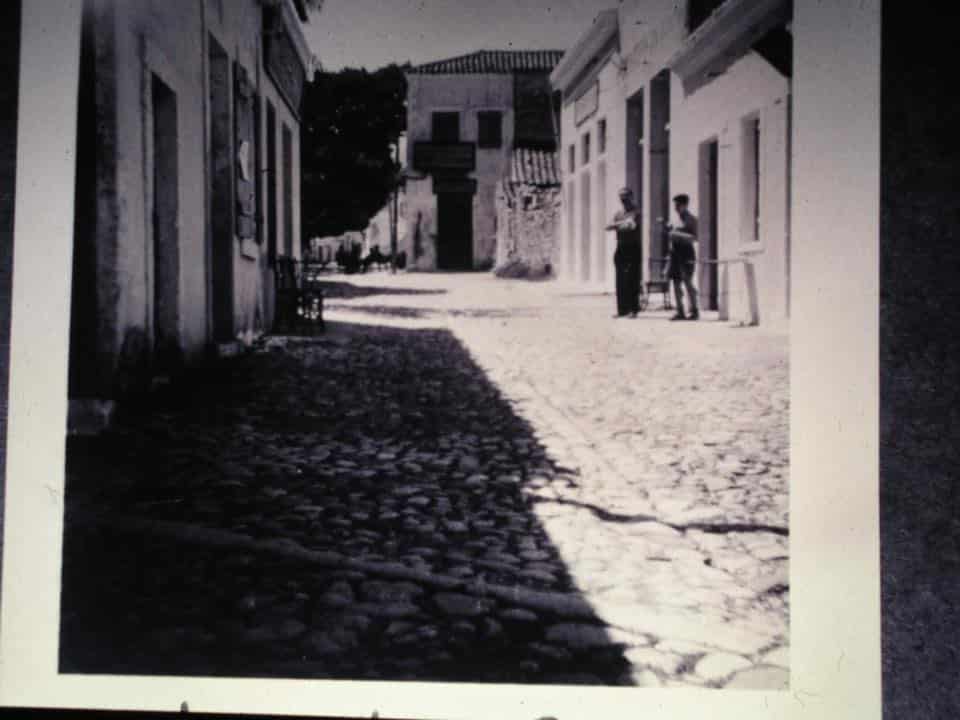
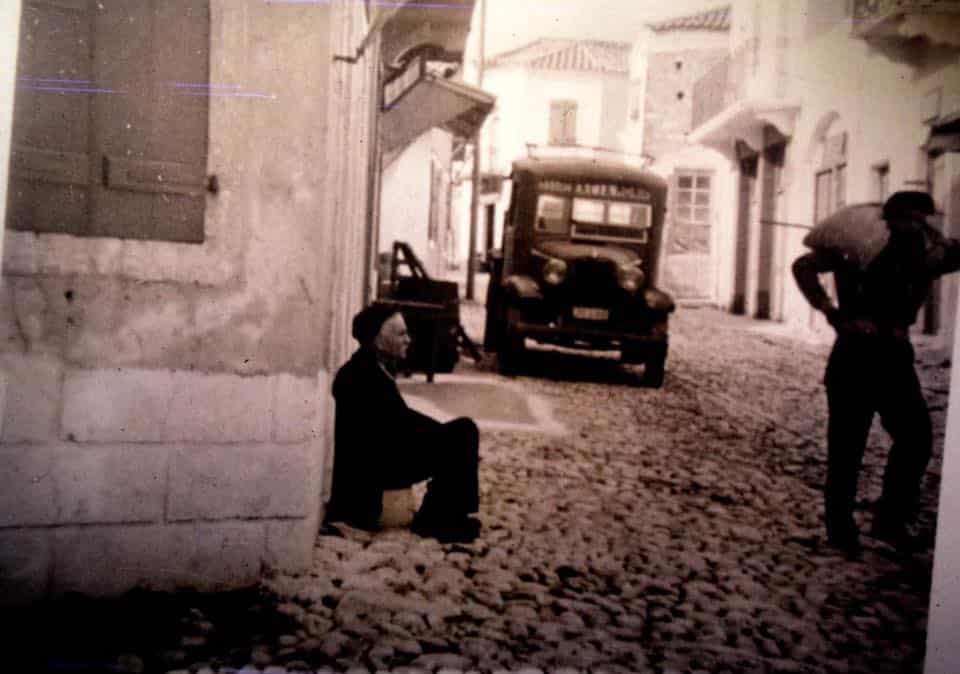
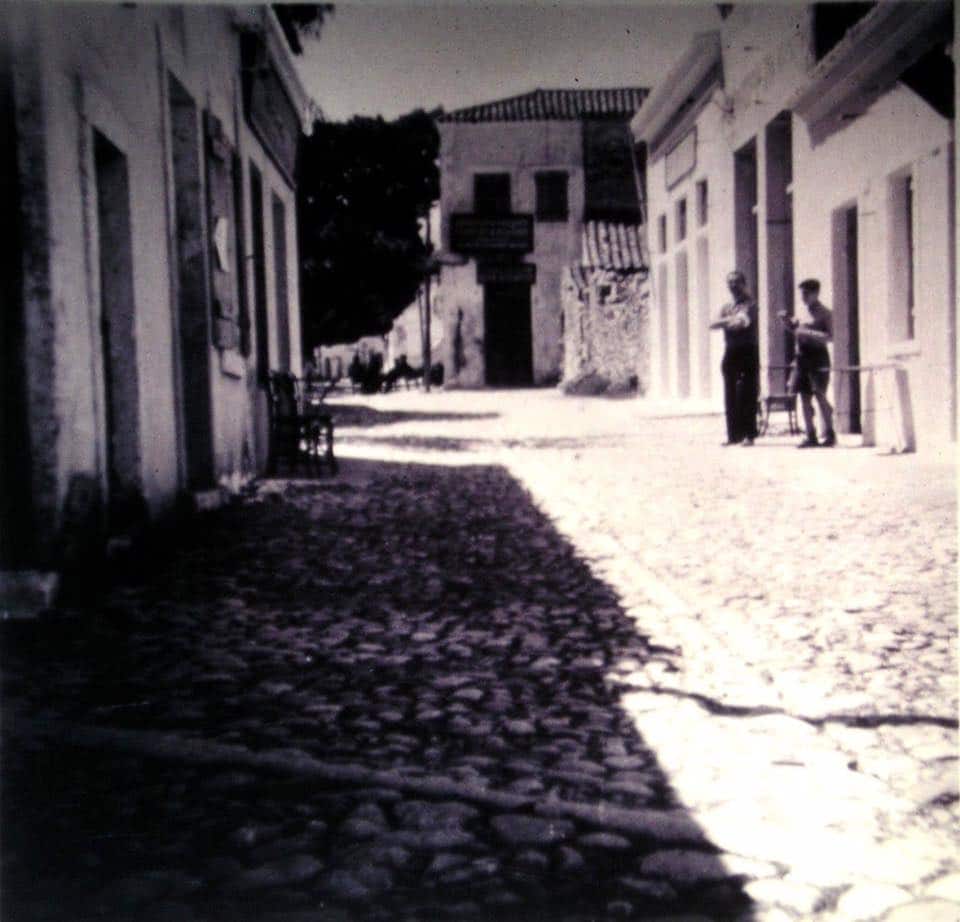
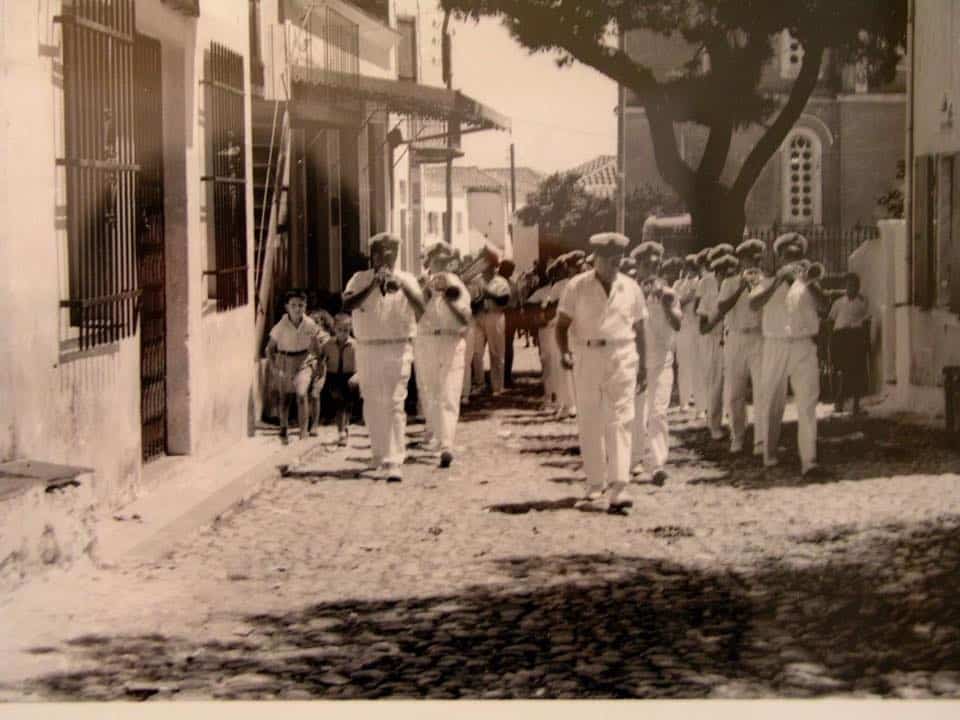
The most famous and largest cobblestone street in Kythira was in Potamos, which remained intact until the 1950s. These were beautiful structures that absorbed rainwater, unlike today’s unsightly structures with waterproof surfaces, featuring a backbone of slabs sloped inward to channel water—structures built with simplicity, good taste, passion, and practicality. In the 20th century, the rural cobblestone streets of Kythira suffered particular damage from heavy vehicles, public works projects, and the encroachment of concrete and asphalt. We have a duty to preserve, highlight, and—why not?—emulate these elements of our architectural heritage, whatever remains of them.
(Photos by Eirini Veneri Travasarou and Eleni Koronaiou. The old photos showing the cobblestone streets of Potamos are from the doctor’s personal archive.) Kosmas Megalokonomos, to whom I extend my warmest thanks).»