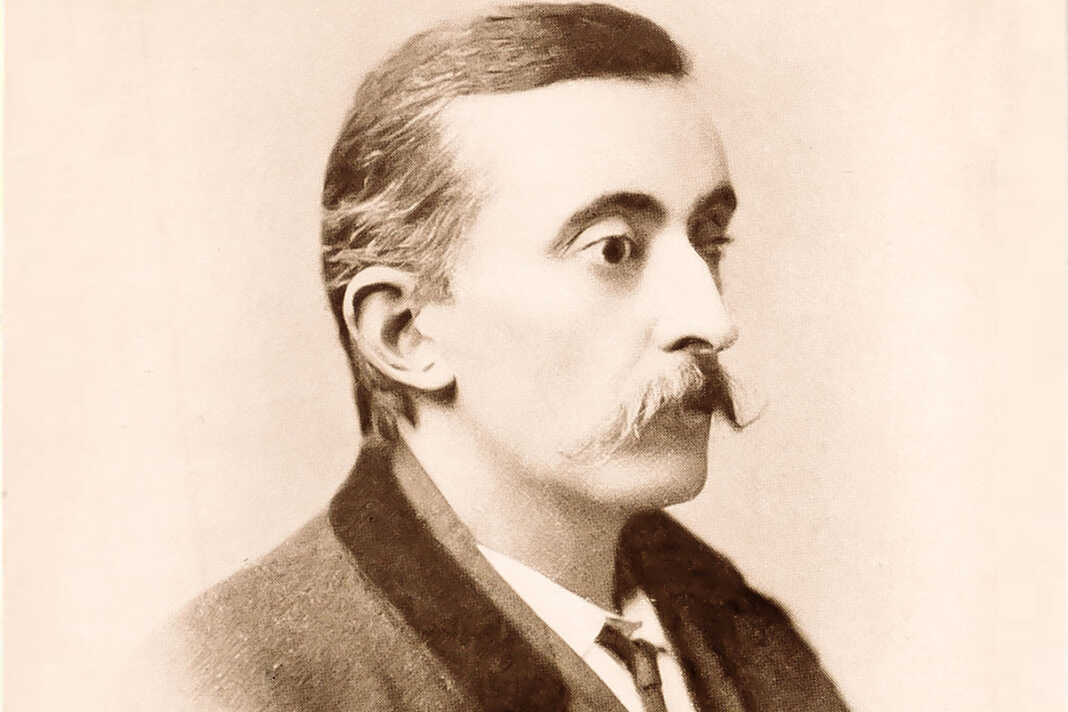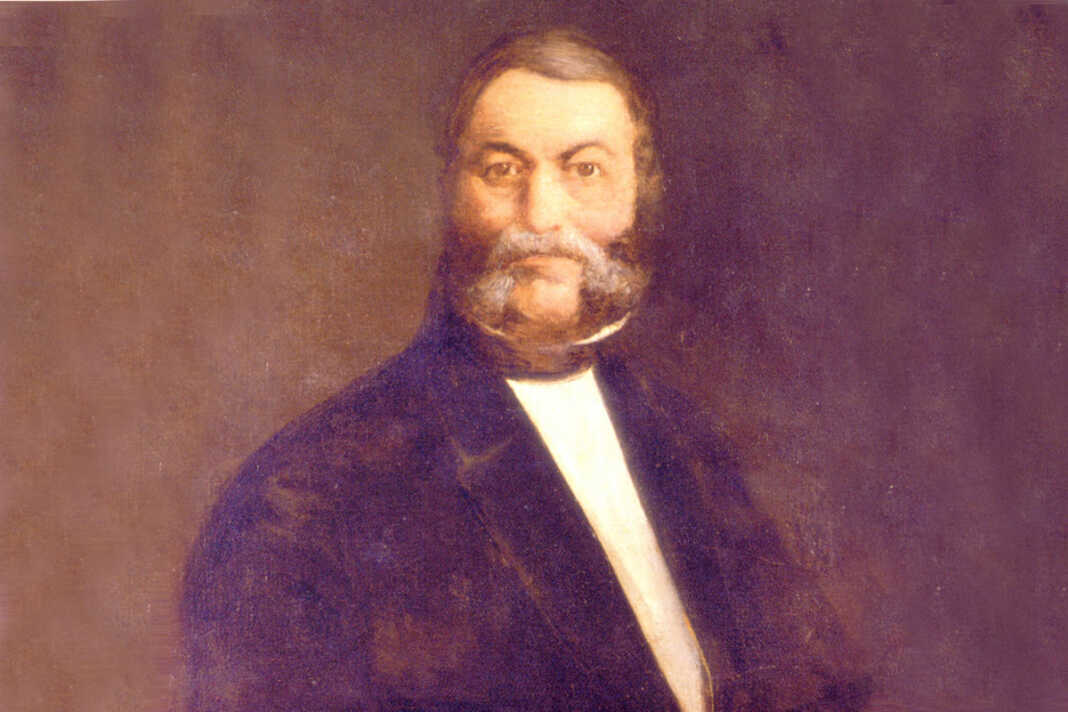
Nikitas Tzannes is a national benefactor of Greece. He was born on Kythira in 1799. He was illiterate, as he himself stated at the age of 18, which can be explained by the lack of schools on Kythira at that time. As a young man, he first went to Syros and became a sailor; later, he moved to Smyrna and went into trade. In Smyrna, he married Eleni Alatatzis. He then moved to Alexandria, where he quickly rose to become one of the leading cotton merchants and amassed a large fortune. Throughout his time in Egypt, he supported his family, relatives, and other poor Kythirians by sending them money. It should be noted that life on the island at that time was very difficult, since most of the land was barren and the population numbered nearly 15,000.
Facility in Piraeus
In 1855, Nikitas Tzannes settled in Piraeus to live out the rest of his life. That same year, at the request of Abbot Agathangelos, he entered into a written agreement with the Tinos sculptor Iakovos Varoutis for the construction of the iconostasis, the bishop’s throne, and the pulpit of the Myrtidia Monastery. The work was delivered that same year.
Charitable Work
Nikitas Tzannes was not blessed with children of his own. He bequeathed his estate to relatives, the poor, and charitable causes. He passed away on September 28, 1864. He bequeathed the greater part of his estate (45,000 drachmas at the time) to the Municipality of Piraeus for the purpose of building a hospital to care for the poor. In 1873, the hospital was built and named the Tzanneio in memory of the great benefactor. His wife, Eleni Tzanne, named in her will as beneficiary the Tzanne Orphanage for Boys in Piraeus, which was then in the process of being established, which for many decades provided care and education to numerous orphans and poor children.