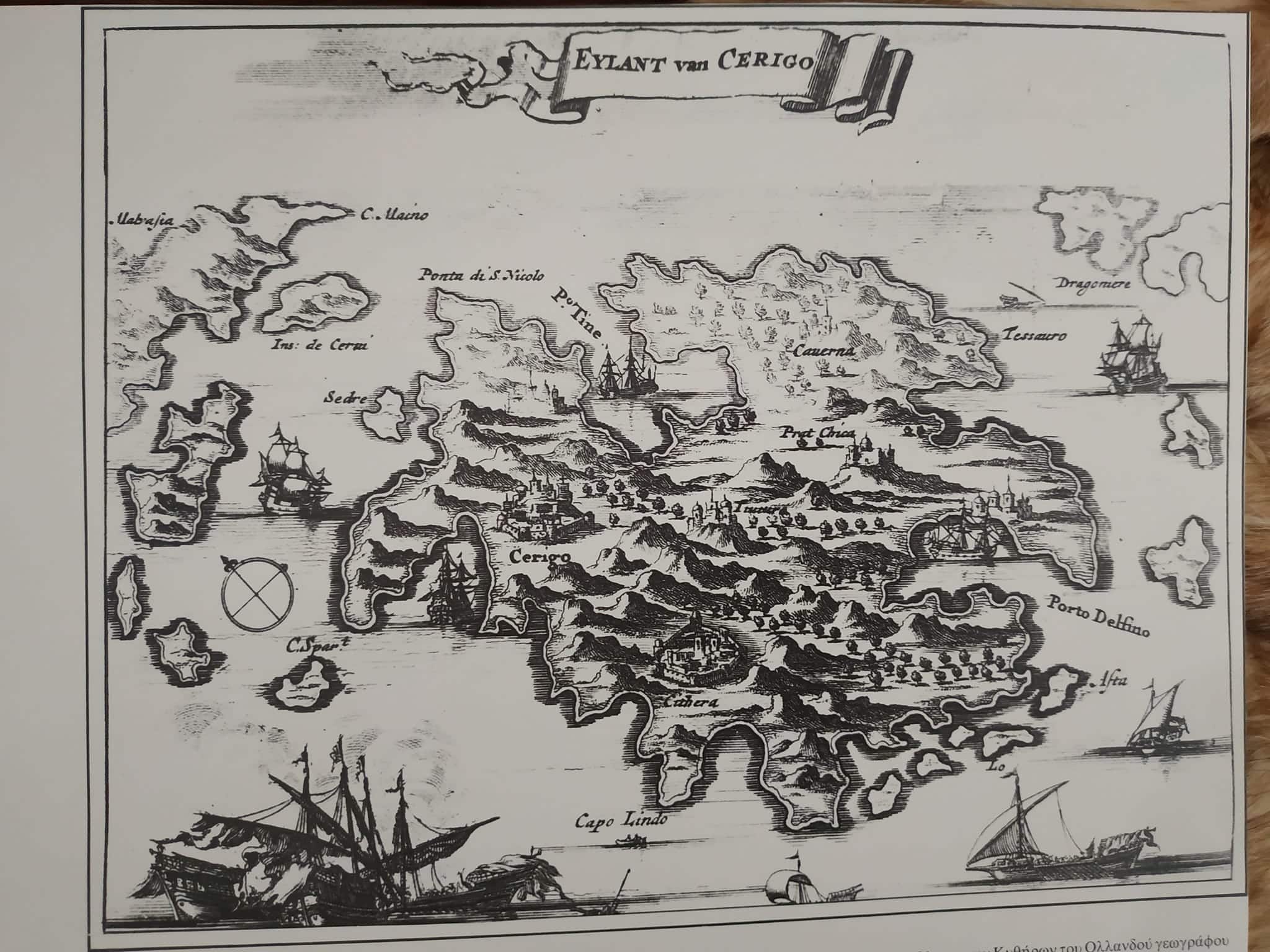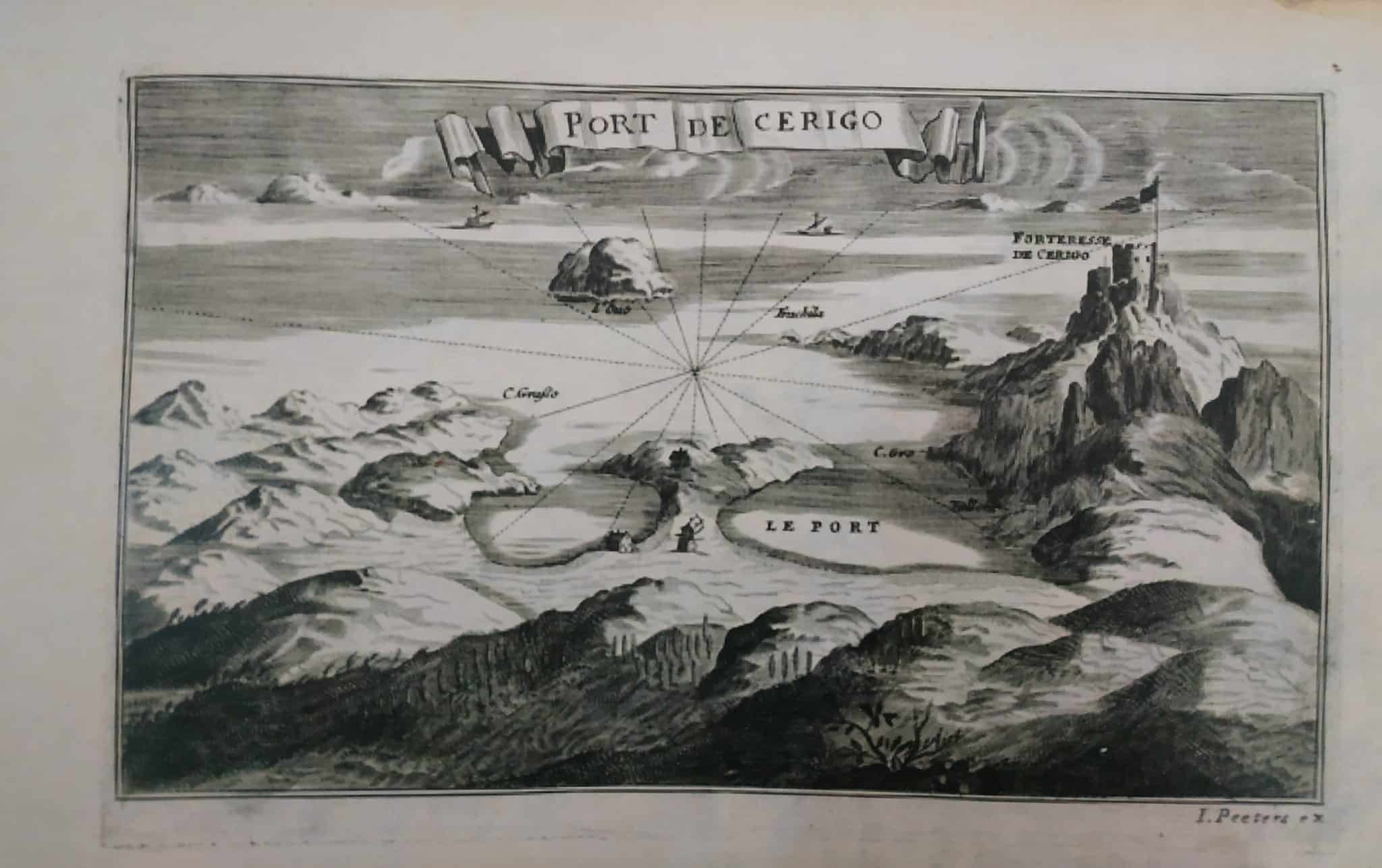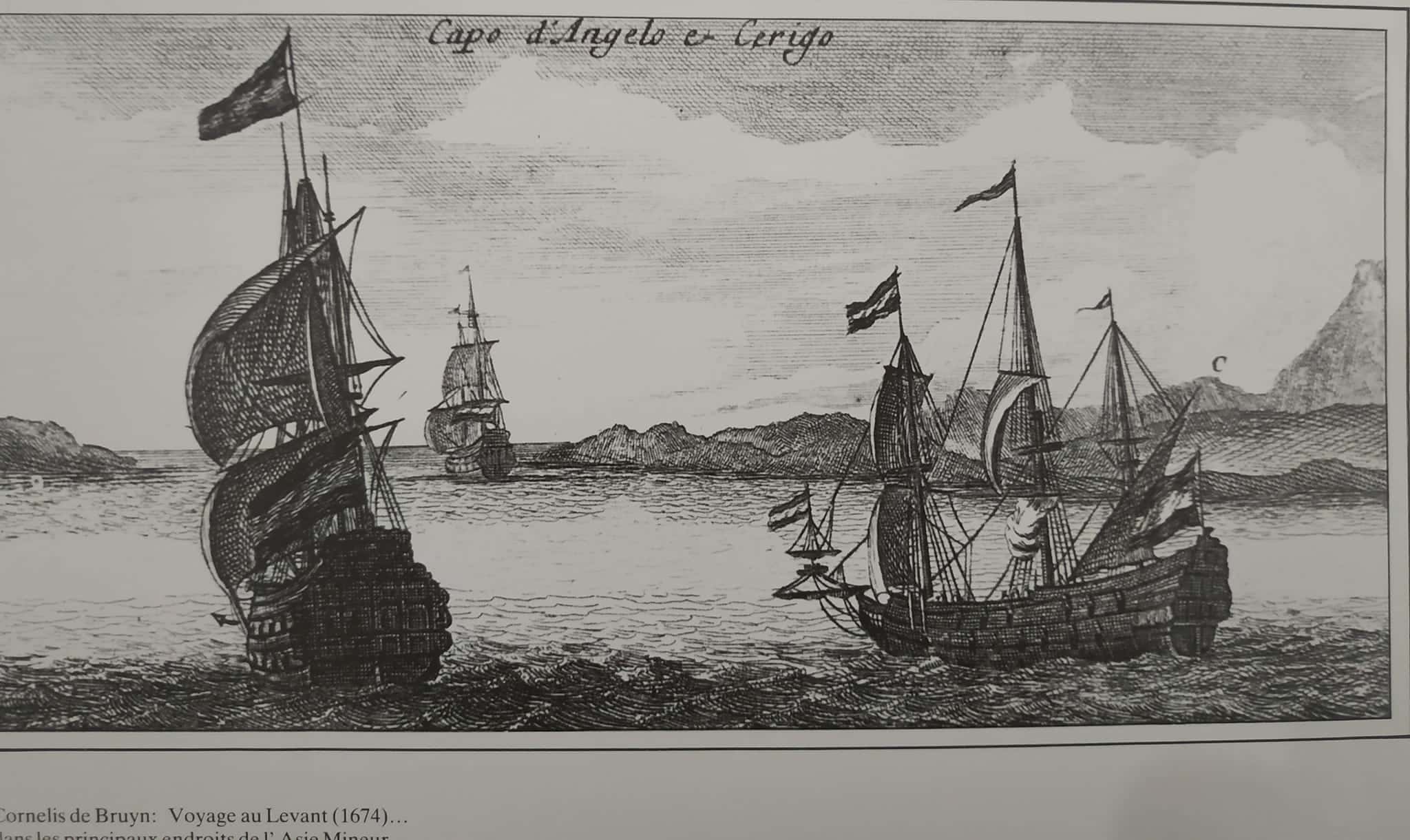
Anthony of Milos was a Greek sailor and cartographer in Venice in the 16th century who wrote a valuable nautical aid with instructions for seafarers. These aids were called izolaria (registers) or portolanos (port markers) Antony presents his book as follows:
«Izolario and portolanos emu Antonio Milo, which includes all the islands of the Mediterranean Sea and all the coasts of the sea with the names of the scopes, the shoals, the ports and cities, the distances from place to place, the perimeters of the islands, the depths of the waters, the anchorages, the places where there is drinking water, the routes or passages from one place to another, the winds prevailing on the islands, their lengths and breadths, and the journey from Tripoli in Syria to the glorious city of Venice, and many other things and distances.».
This journal, written in Italian, was translated into Greek by the distinguished philologist, historian and palaeographer Agamemnon Tselikas, Head of the Historical and Palaeographical Archive of the Cultural Foundation of the National Bank of Greece. This publication is based on the manuscript in the private collection of Sylvia Ioannou. Anthony da Milo describes Kythera as follows:
KYTHIRA
Tsirigo (Kythera) is the first island of the Archipelago or the Aegean Sea. Towards Ponte are all mountains and towards Ostria is the castle Kapsali with a small harbour for two or three small ships. The big ships are anchored out on the plain at a depth of 35 paces. We inform you that at 30 steps there is a rock like a stool that cuts the gum trees and you have to head towards the middle of the castle with a wind from the pontoon to the Levante. Turning towards the tramunda with garbi, ostria, sirocco you have to be careful not to get damaged by the sea turbulence that happens there. In the middle of the castle, in the sea, there is a very high rock called Lobo (Egg), 3 miles away from Chirigo.
Towards the edge of the Chirigou's Syracuse there are two ship-sized scopes and around these scopes there is a great depth. One is called Assos and the other Doi, two miles from Chirigo.
Towards Levante is the port of Agios Nikolaos Avlemonas, where 6 galleys or small ships can be stationed. Under the castle Vigiola, on the plain, the ships stand 15 paces deep and it is a good anchorage and has drinking water where it is empty. All along this coast up to the castle you happen to find good depth. Further in the nose of Agios Nikolaos are the islands of Drakoneres, insignificant spots, among which Tsirigo is a refuge for warships and other small boats. From Tsirigo to Cape Maleas is 15 miles.
From Tsirigo to Tsitsirigo (Antikythera) to Siroko is one 30. Tsitsirigo is an uninhabited island with no harbour for anchoring any ship and from it to Grigo a mile away there are two small moorings. The big one is called Poros and the other, the small one is called Poressa and Poros you have to catch the side towards Chichigo to avoid these shoals. From these two islands to Cape Spatha on Crete is 50 miles. Tsirigo has a circumference of about 60 miles.