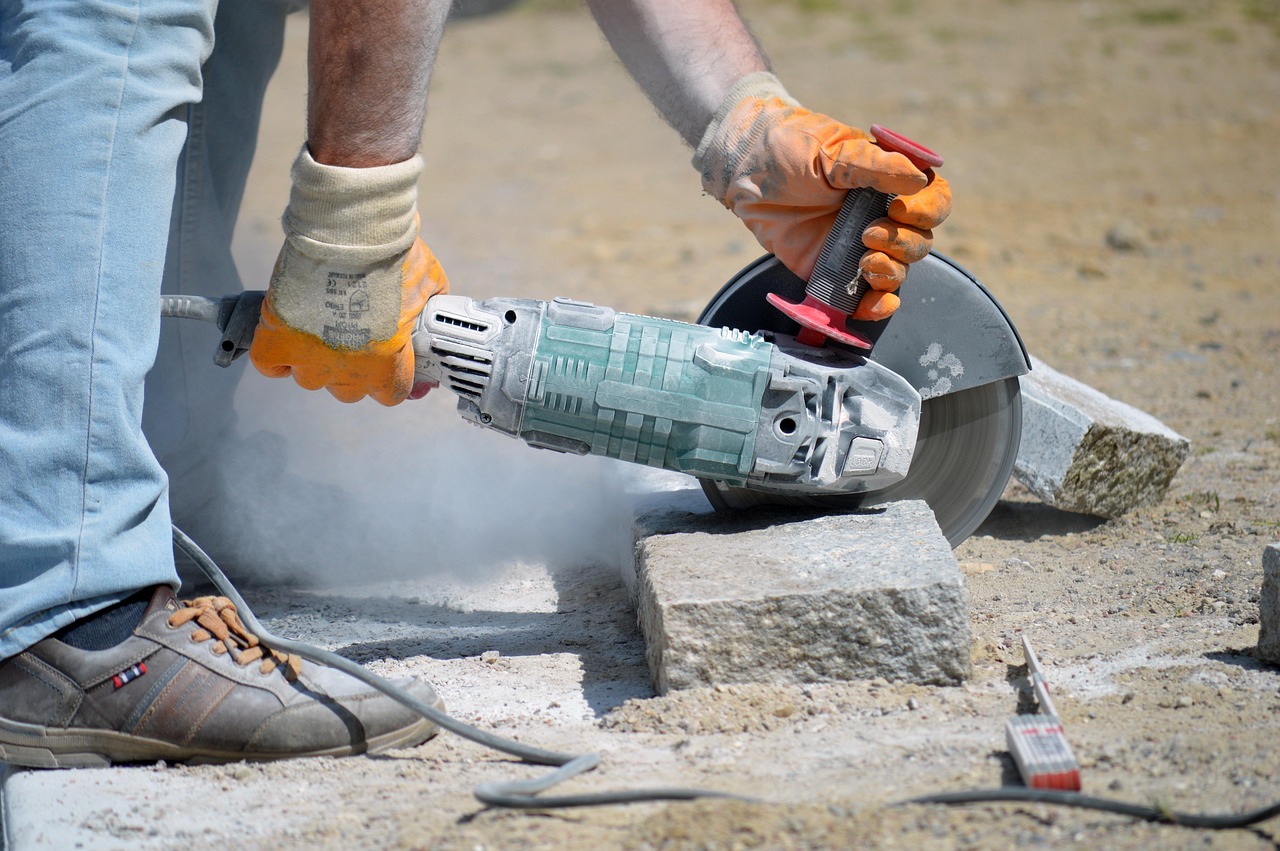
The heat wave continues, with temperatures set to rise even further in the coming hours reaching as high as 43 degrees.
Just like today (July 21), Similarly, for tomorrow (July 22), emergency measures will be implemented to address heat-related stress among private-sector workers The leadership of the Ministry of Labor and Social Security announced.
These include Mandatory suspension of manual labor (12:00–17:00) that are performed outdoors, in specific regions of the country.
A. Measures to Address Heat Stress Among Private-Sector Workers
To address heat stress among employees in the private sector, employers shall implement technical and organizational protective measures, in accordance with the illustrative and non-exhaustive list set forth in Circular No. 34666/03.06.2024, titled ’Prevention of Heat Stress Among Workers« (ADA: RG1N46NLDG-OO6).
B. Mandatory suspension of outdoor activities
For employees of businesses located in areas where, according to the latest forecasts from the National Meteorological Service (EMY), particularly high temperatures and heat stress levels (WBGT) are expected to prevail, specifically in Regions of Attica (excluding the islands), Thessaly and Central Macedonia, on Regional Units of Evros (Orestiada area), Boeotia, Fthiotida, Aetolia-Acarnania, Euboea (Chalkida area), Chania and Rethymno as well as in the Ionian Islands, the Kythera, the Lesvos, the Chios, the Rhodesand the lowland areas of the Peloponnese, work must be suspended on Tuesday, July 22, 2025, during the period 12:00–17:00', in manual work performed outdoors, such as work on engineering and construction projects, construction sites, ship repair areas, and the distribution and transport of products and items using two-wheeled vehicles, scooters, and roller skates (delivery), etc.
It is noted that the above cases of mandatory cessation of work include all employees regardless of their type of employment, including digital platforms under article 68 of Law no. 4808/2021.
In the event that the measure to suspend distribution operations is implemented for the delivery companies, this applies to all businesses that offer delivery services, whether they operate a physical store or a digital platform; however, the option for customers to pick up their orders directly from the store or pickup location (takeout), as well as the option to fulfill orders using private and public vehicles—excluding all types of motorcycles and mopeds— as defined in the provisions of the Highway Code, provided that such vehicles are equipped with air conditioning.
The suspension of operations does not apply to economic activities related to essential and socially critical infrastructure in the health, transportation, and public utility sectors (e.g., healthcare facilities, water supply, electricity, air transport, cargo handling, maritime, road, and rail transportation), provided that the other technical and organizational measures set forth in Circular No. 34666/June 3, 2024, ’Prevention of Heat Stress Among Workers« (ADA: RG1N46NLDG-OO6), including the organization of working hours. In the event of non-compliance with the obligations set forth herein, the Labor Inspectorate shall impose, in accordance with Articles 23 and 24 of Law 3996/2011 (A» 170), a fine of two thousand (2,000) euros per employee of the company.
C. Provision of remote work through the telework system
For employees in the private sector who are in an employment relationship and belong to high-risk groups (table in Appendix 2 of Circular No. 34666/June 3, 2024) and especially in cases where they are exposed to harsh working conditions in the areas listed in Paragraph B of this circular, companies should ensure that employees are given the opportunity to work remotely, provided that the nature of their work allows for it.
D. Emergency Measures for the Organization of Working Hours
To address heat-related stress among workers in the areas listed in paragraph B of this circular and to facilitate workers in the event of any change in their start and endleave work, employers may refrain from registering in advance with the ERGANI system any changes to the organization of working hours.