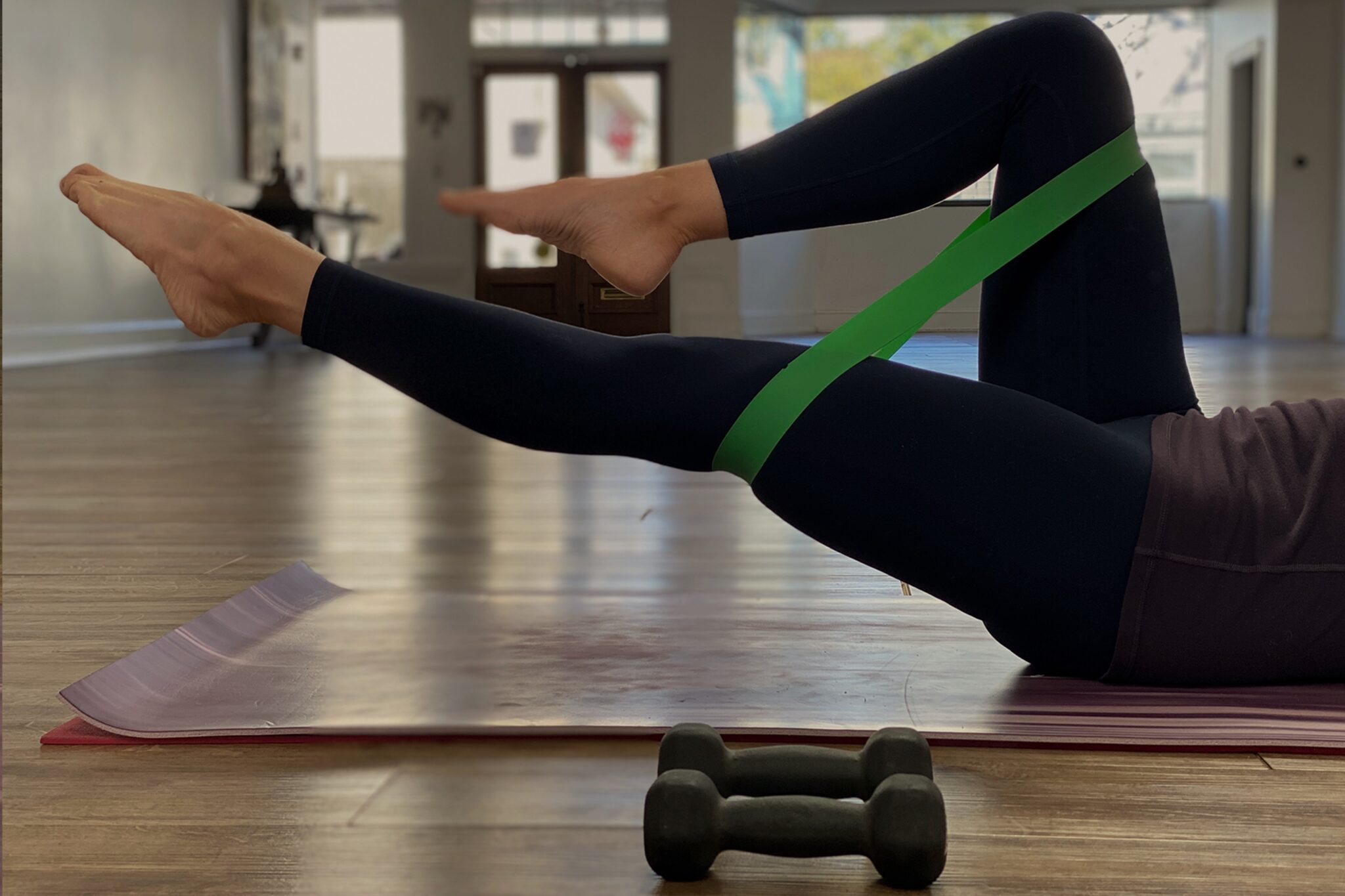
It is well known that as we grow older, we lose muscle mass and bone density. While for some this is also an aesthetic issue—the body doesn’t look as toned, but rather more flabby—the most significant potential problem is one of health. With lower muscle mass and more fragile bones, we become more prone to fractures and other health issues.
The changes that occur in the body and muscles
After the age of 40, muscle mass begins to decreases by approximately 3–51 TP3T each year, bone density also decreases over time, while the body tends to accumulate more fat. Joints lose their «lubricating» components and, gradually, their mobility.
Changes are also taking place in hormone level, in both men and women, a fact that further exacerbates their psychological and physical condition. In both sexes, the body produces less dopamine and acetylcholine, two neurotransmitters that boost mood and energy—prerequisites for a good workout.
The good news is that it’s not just aging that’s to blame for the changes we see in our bodies, but also our own habits. Most likely, We sit at the office for many hours or we focus more on our family than on ourselves, as we used to. Instead, when we get home from work, we spend a lot of time relaxing on the couch watching TV, and we’ve forgotten about brisk walks, adventurous outings, and dancing.
Muscle strengthening under certain conditions
So if it’s practically essential to maintain our muscle mass, the question becomes even more pressing: Is it possible? Can we even increase our muscle mass after age 40? The answer is «yes, but…». What does that mean?;
This means that at these ages, we need to prepare our bodies accordingly by varying the our eating habits, lifestyle and leisure, but also the very training sessions ours.
What Should Our Diet Include After Age 40?
If the body needs protein To build muscle, you now need even more—about 2.2 grams per kilogram of body weight. To get a sense of the quantities, as an example, one chicken breast contains 30 g of protein, while a man’s body needs about 170 g to strengthen his muscular system.
In practical terms, this means you should add lean proteins to your diet, chicken, fish, turkey, beef, yogurt, milk and especially eggs. It is best to have a dietitian determine the appropriate amounts based on your individual needs and any other potential health issues.
It is also important to add whey protein, in the form of a supplement, but only after consulting your doctor. Ideally, all 5 meals of the day should contain protein!
You need some rest, too
It is very important to get enough sleep, 7–8 hours a day, don't stay up late and don't spend too much time in front of screens late into the night. If you have trouble sleeping, there are a few tips you can follow. The good news is that sleep will make you more efficient at exercising, and exercise will also improve the quality of your sleep.
«Stretching» Exercises»
It’s very important to find ways to stretch throughout the day. Since the muscles of your spine are likely very tight from long hours of sedentary work, your lower back, glutes, and trapezius muscles have been strained.
However, if you start a strength-training routine with weights or deep squats, you’re likely to get injured soon. So don’t forget to stretch and do spinal rotations often, even while you're waiting for your coffee to brew! Ideally, you should get up from your chair every 40 minutes.
By following these tips, you’ll maintain the flexibility of your spine and reduce the risk of injuries that could set your training program back.
What kind of exercise should you do?
Weights at the gym
Of course, it is the first and most fundamental type of exercise for muscle strengthening. By using moderate resistance with 15-rep exercises that target various muscle groups, 2–3 times a week, you’ll see visible results. Examples include deep squats, rowing on a pulley machine, bicep curls, push-ups, chest presses, and shoulder extensions.
Consult with a trainer who will design a program tailored to your specific needs. Other types of exercise that are beneficial include:
Swimming
This is also an aerobic exercise—ideal for beginners, as it minimizes the risk of injury. Swimming will increase your respiratory endurance and slightly strengthen your muscles, without putting strain on the joints you. However, to be more effective, it should be done regularly at a swimming pool and not just during the summer months in the sea.
Yoga
If you practice yoga correctly, in addition to gradually building strength, you’ll improve your breathing and overall well-being. Yoga—and especially Iyengar yoga—even has therapeutic benefits; is suitable for all ages, and can lay the right foundation for your body to regain its lost muscle strength.
Aerobic exercise
Choose to walk or run on days other than when you go to the gym, so as not to put too much strain on your body. Thirty minutes, 3–4 times a week They are sufficient, as long as they are combined with strength training exercises.