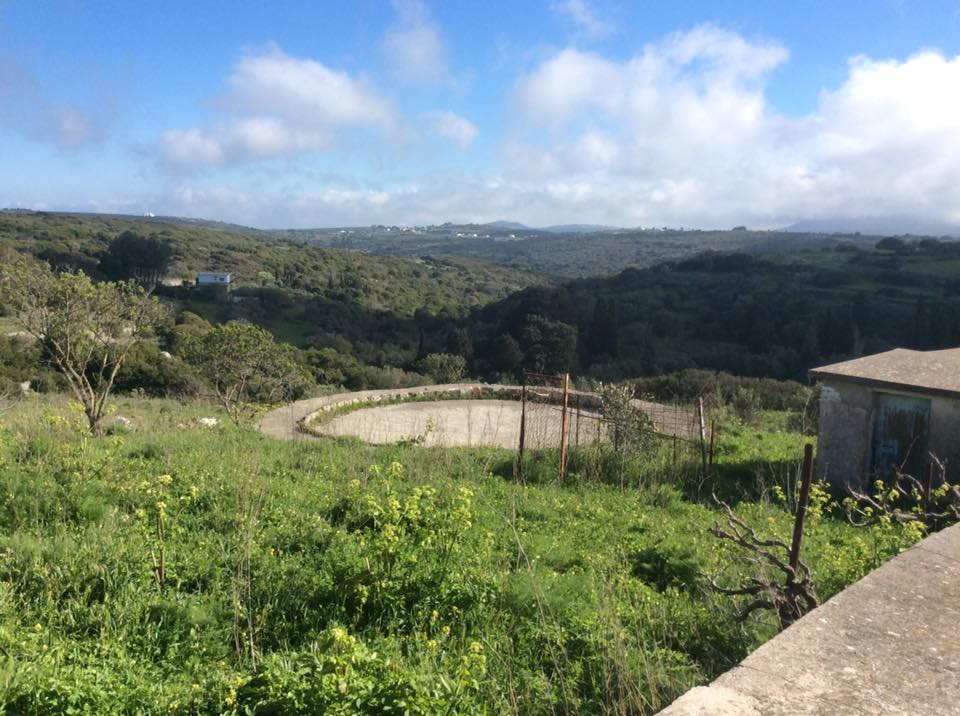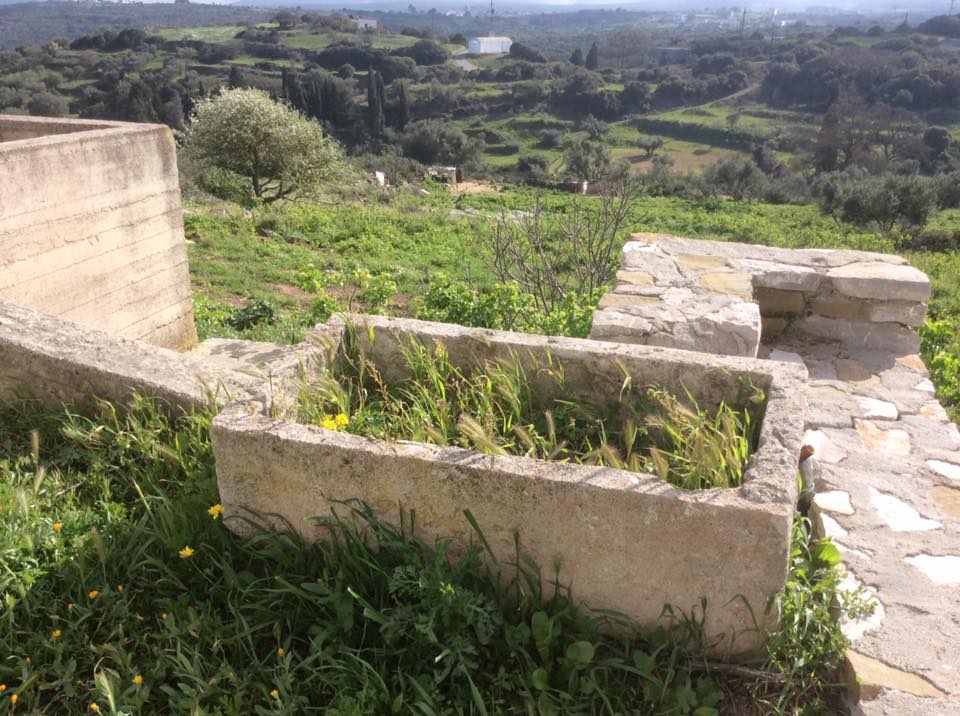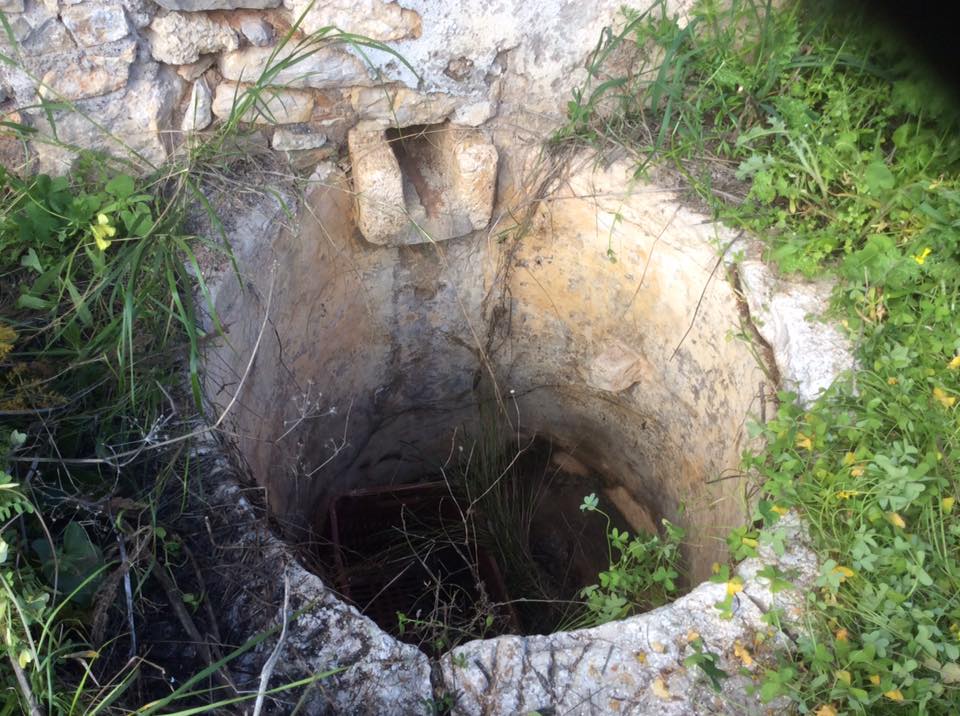
According to one version, the name comes from the many wells (wells).
The settlement is very old, before the 14th century, and slowly developed into several districts named after the ruling family that created them. Raisis-Raisianika, Marentis-Marentianika, Petrochilos-Petrochilianika, Kentrotis-Kentrotianika, Raftakis-Raftakianika, or Kalokairinos-Pantoleos-Pantolianika, Pavlakis-Pavlakianika, Kasimatis-Kasimatianika.
In the 18th century they have about 400 inhabitants divided into 9 parishes. In the 20th century, with the hemorrhage of migration, both internal and external, the districts of the Frascia were empty.
The Solomos family is connected to the Fràcia family, the ancestors of our national poet, who during their passage from the Kythera in the 17th century they acquired property in the village. Father Angelos Salamon, brother of the poet's great-grandfather, lived in Fratsia, where he wrote his will and even today there is an estate called «Solomos».
After the Unification, Fratsia was the 3rd municipality of Kythera for a period of time.
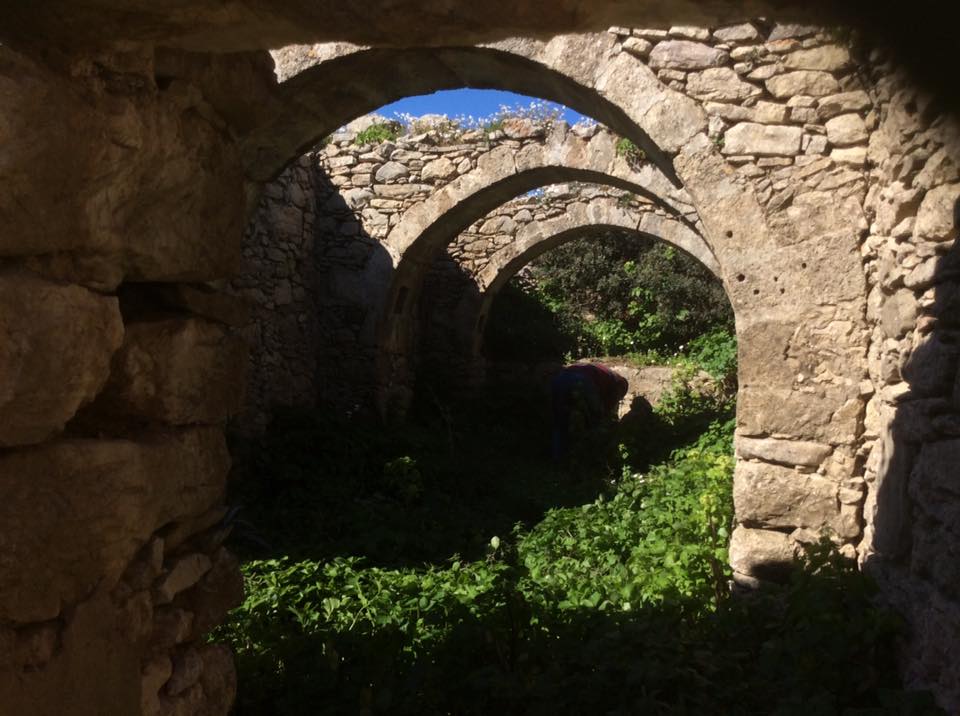
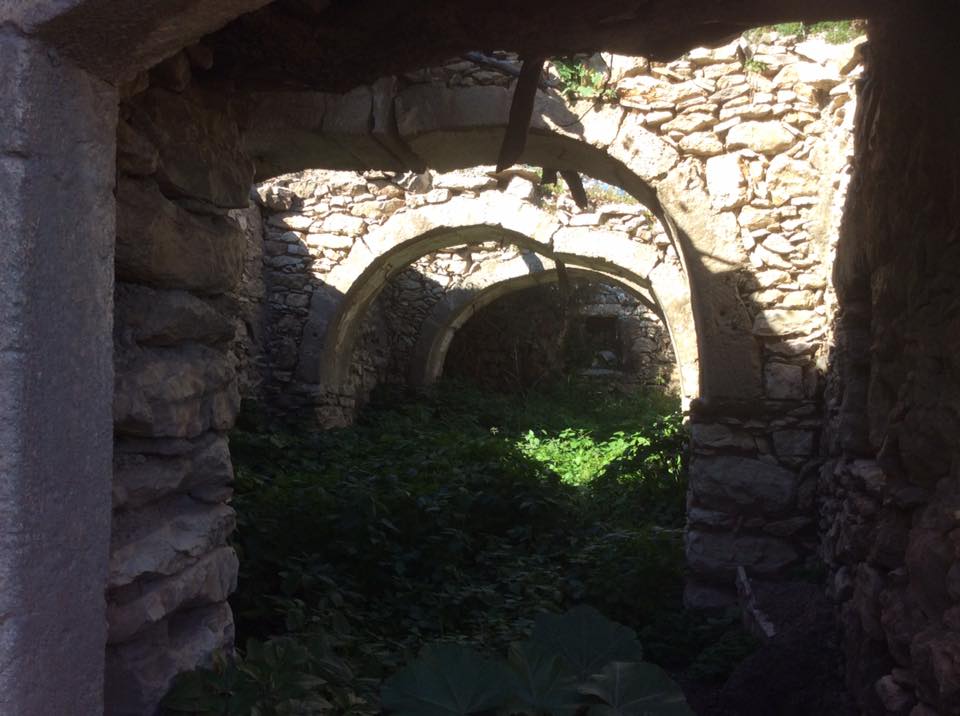
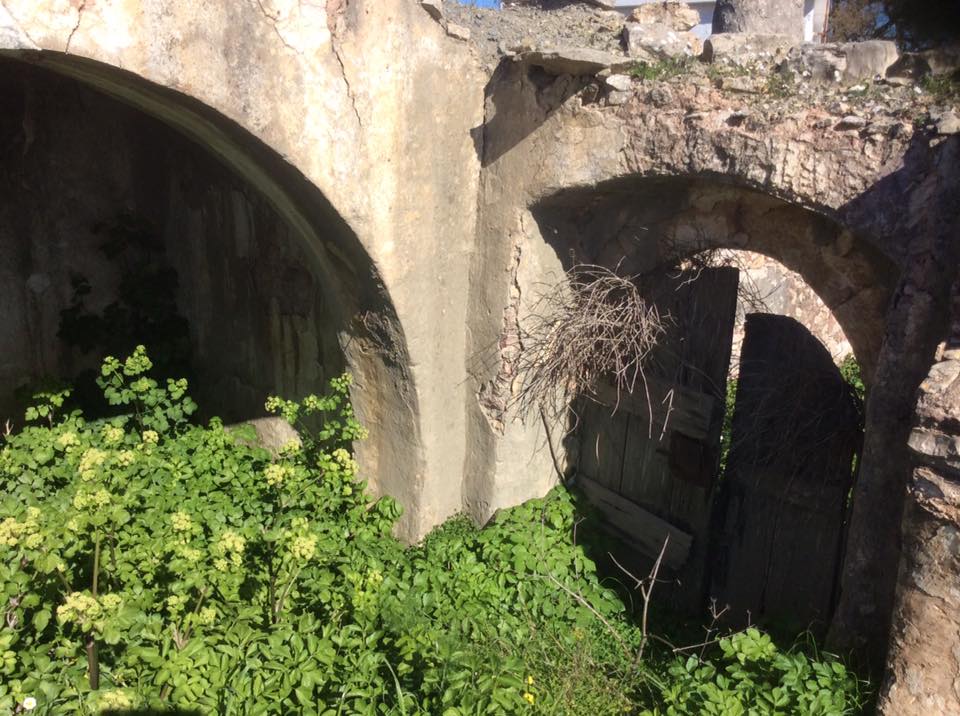
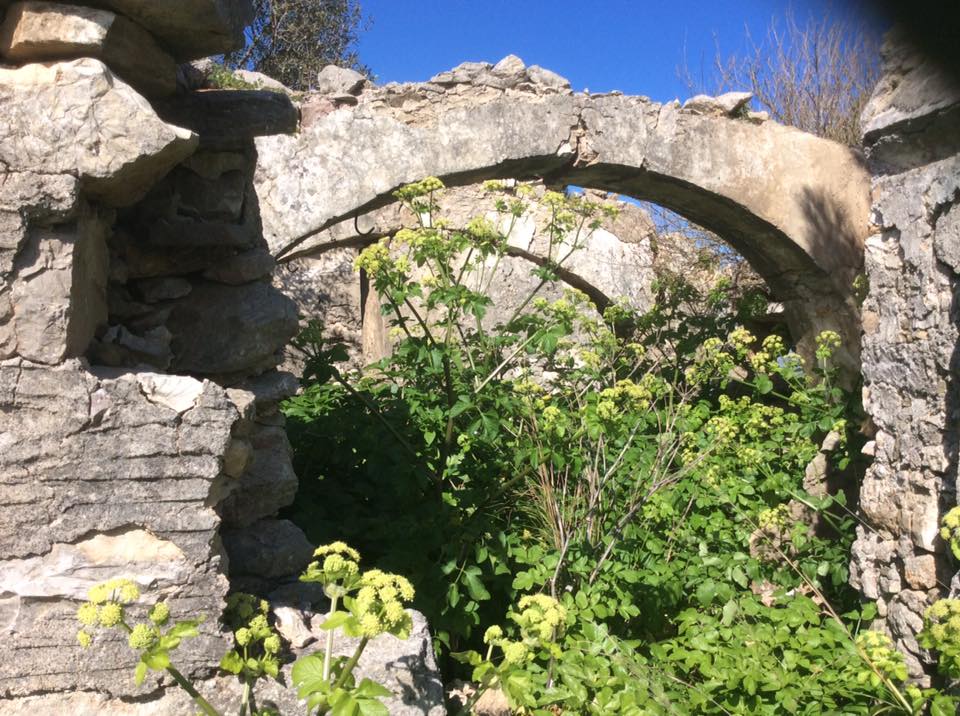
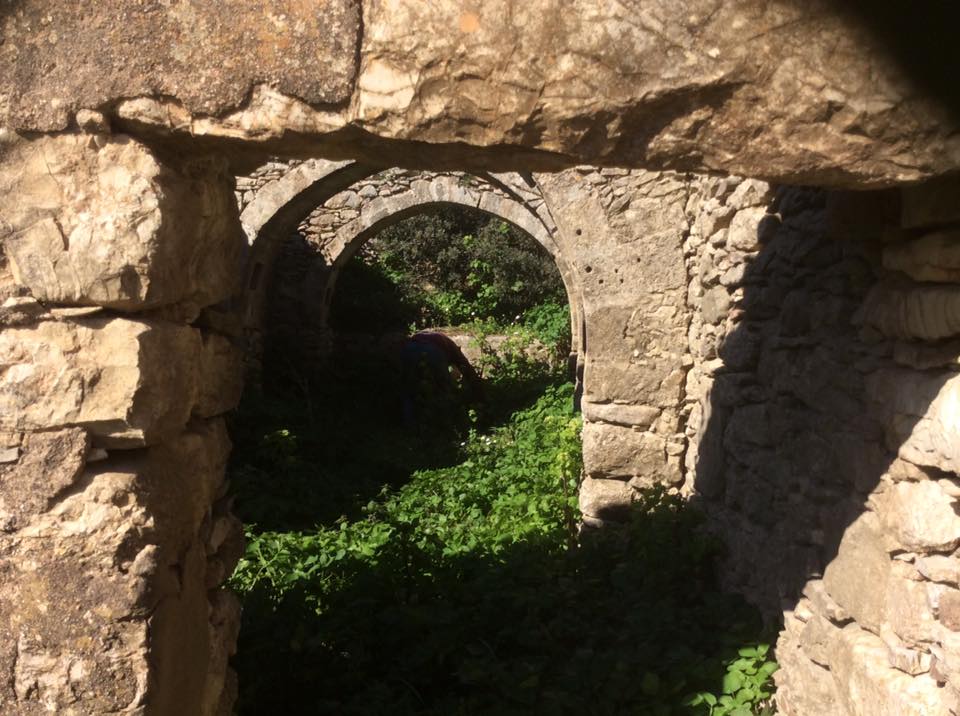
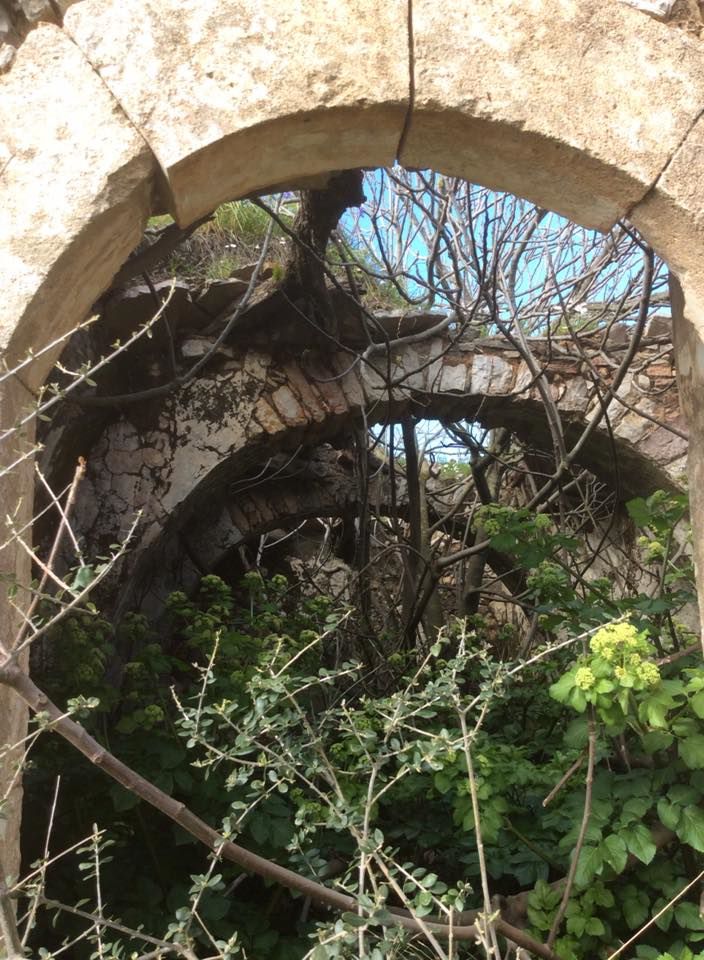
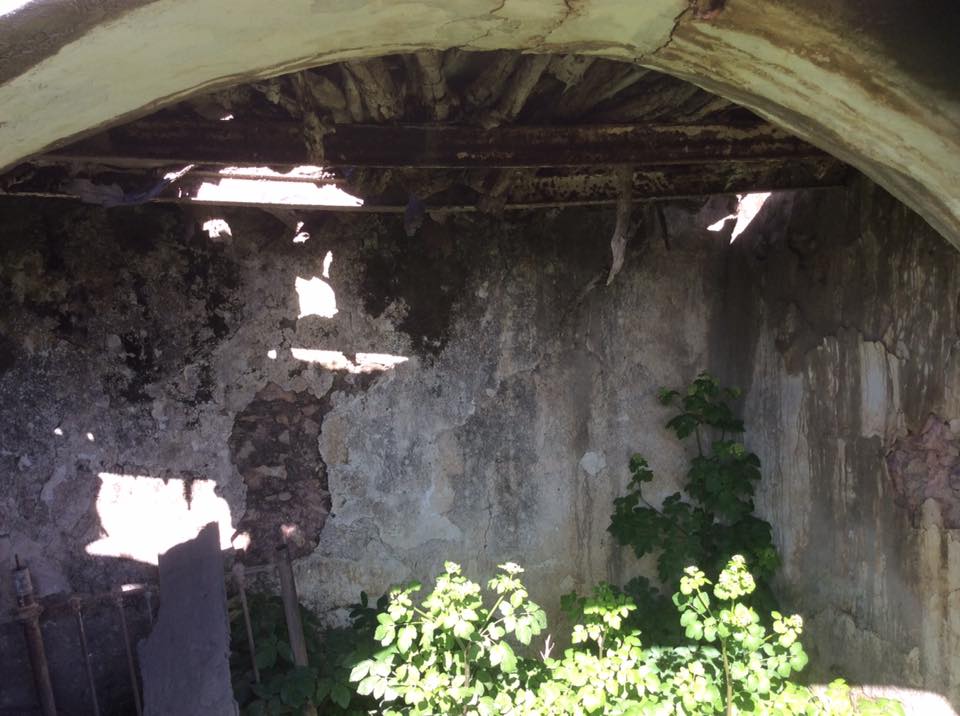
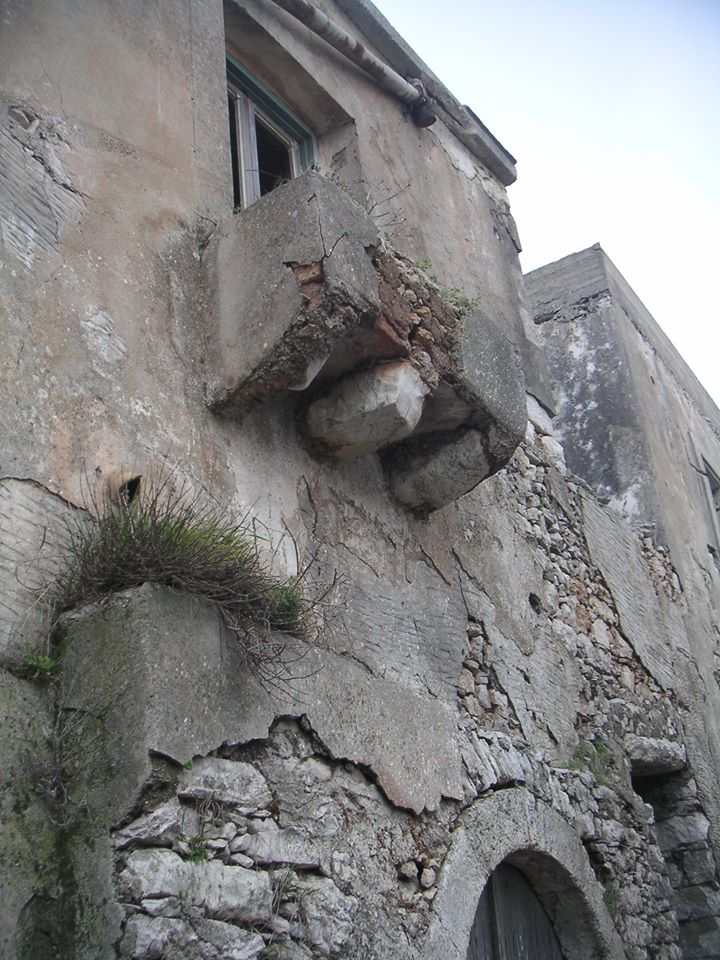
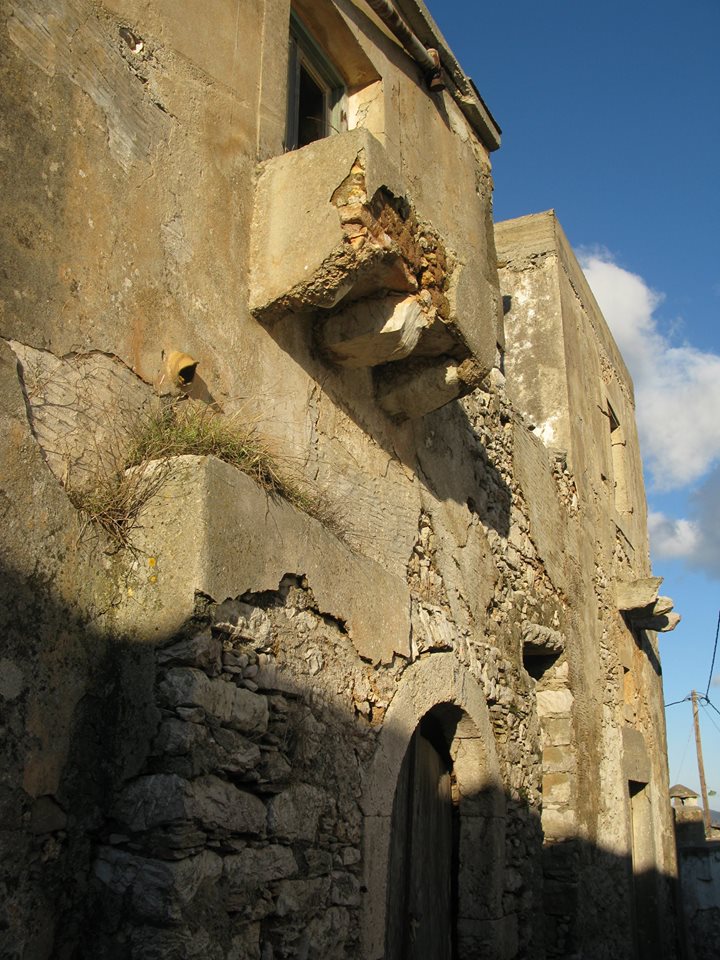
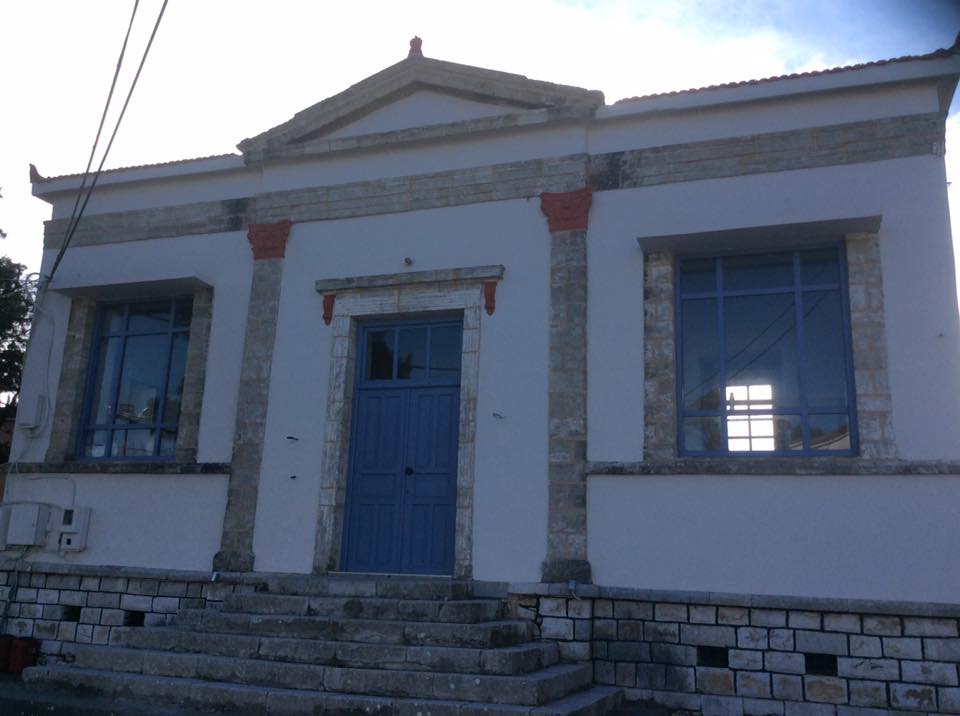
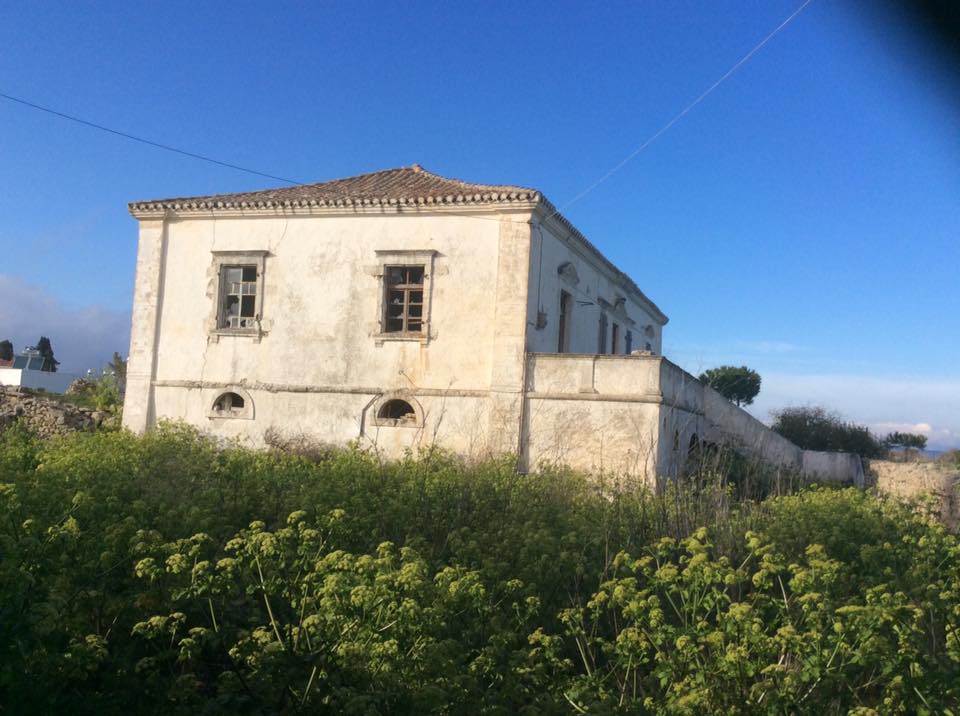
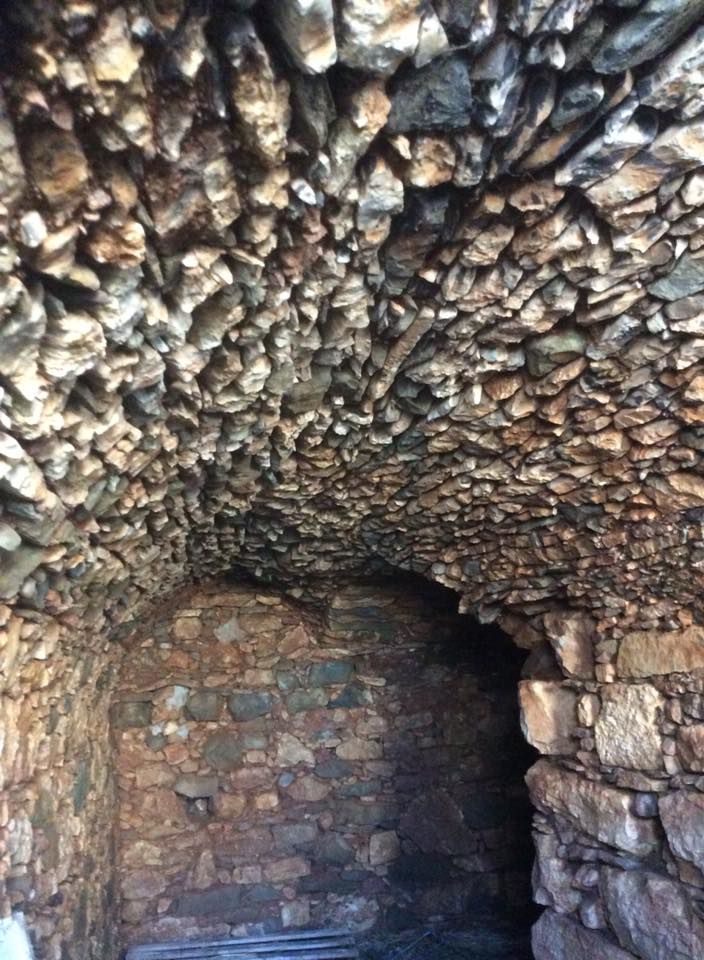
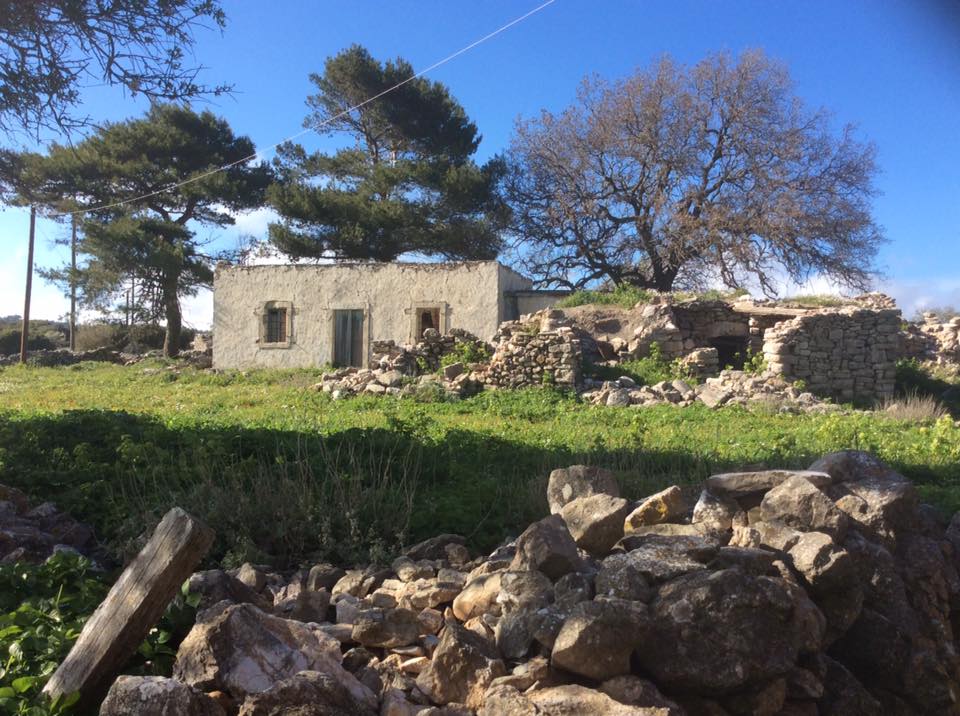
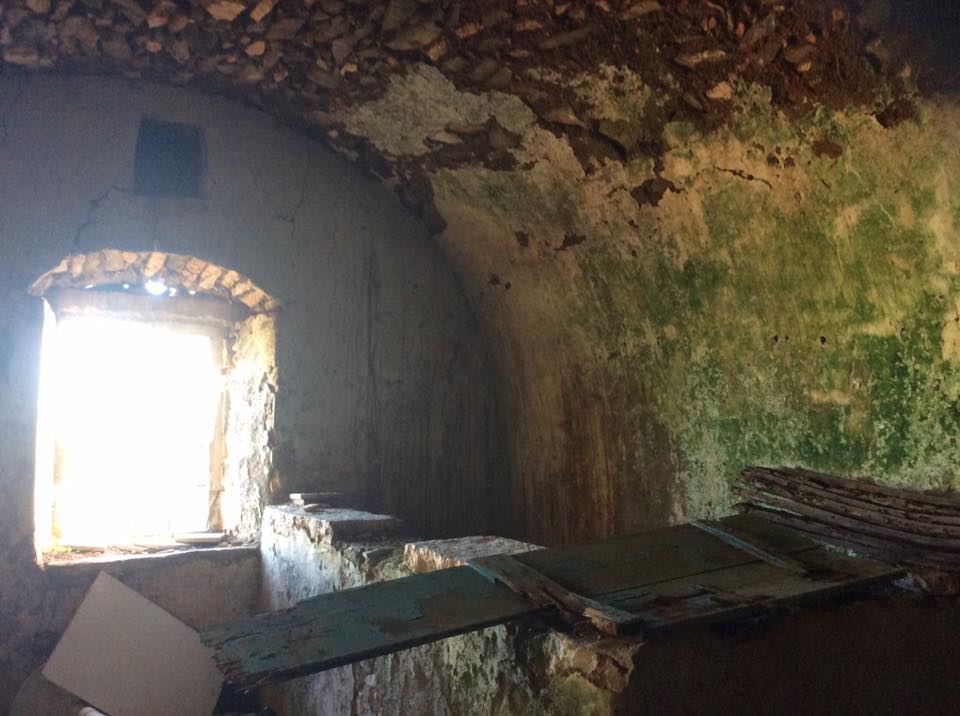
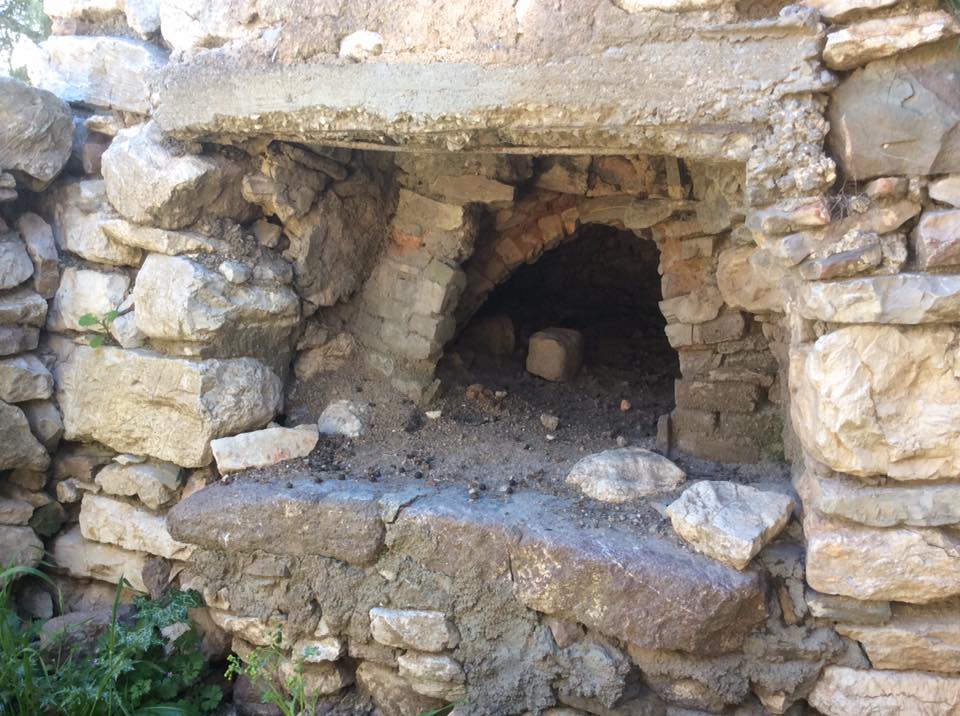
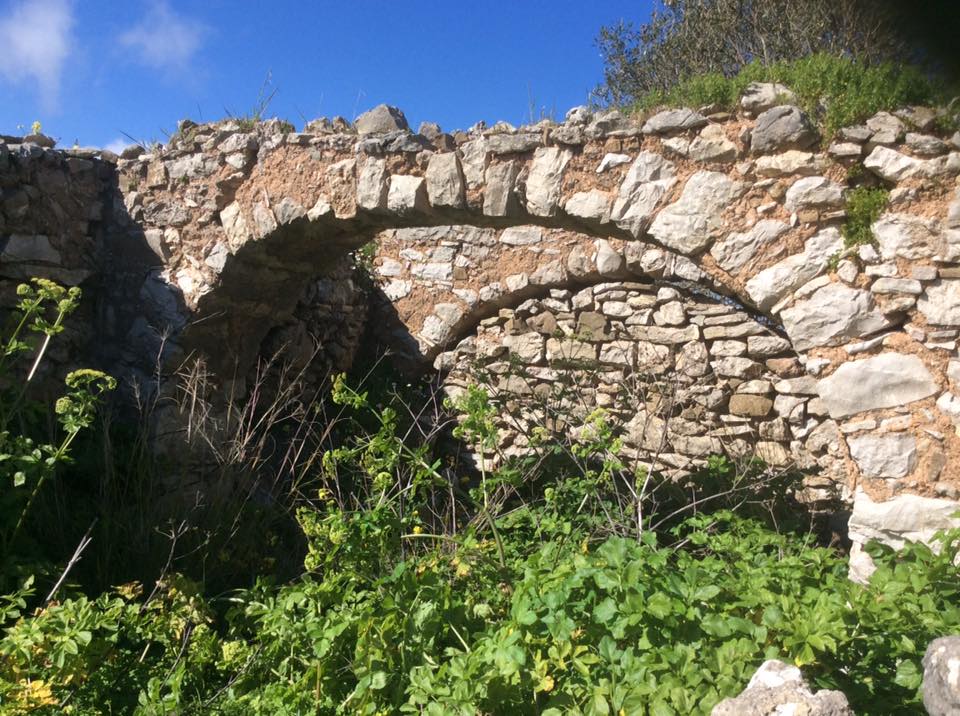
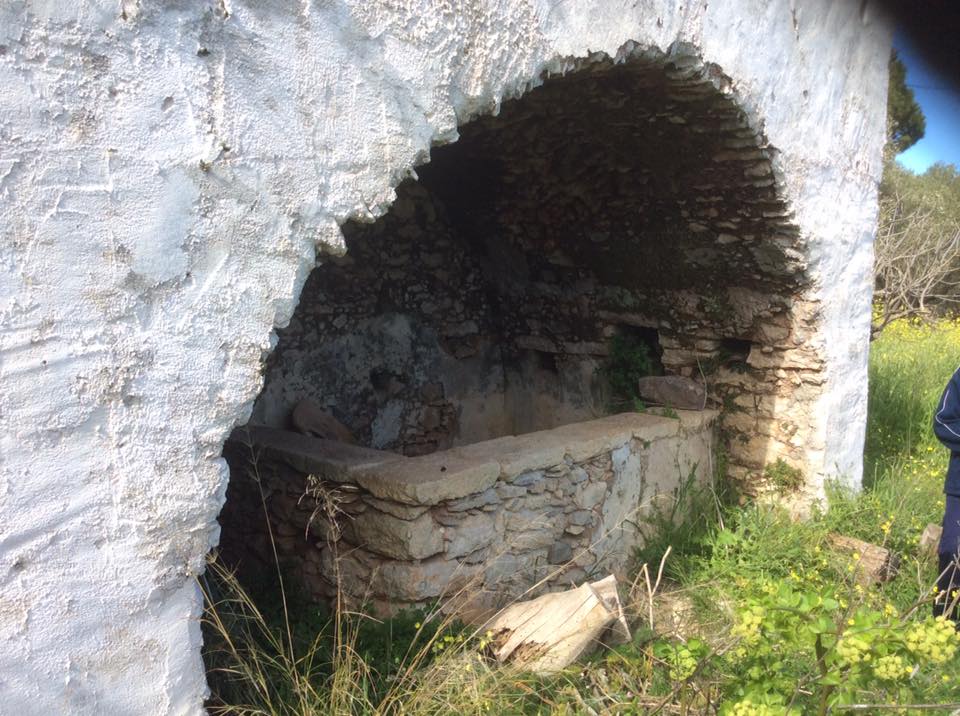
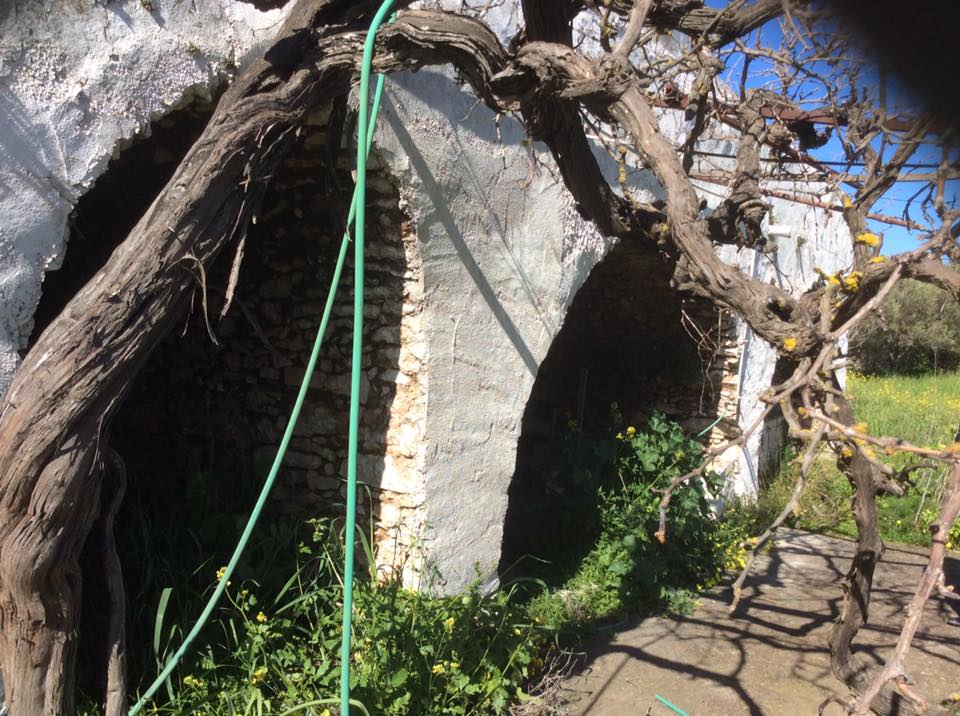
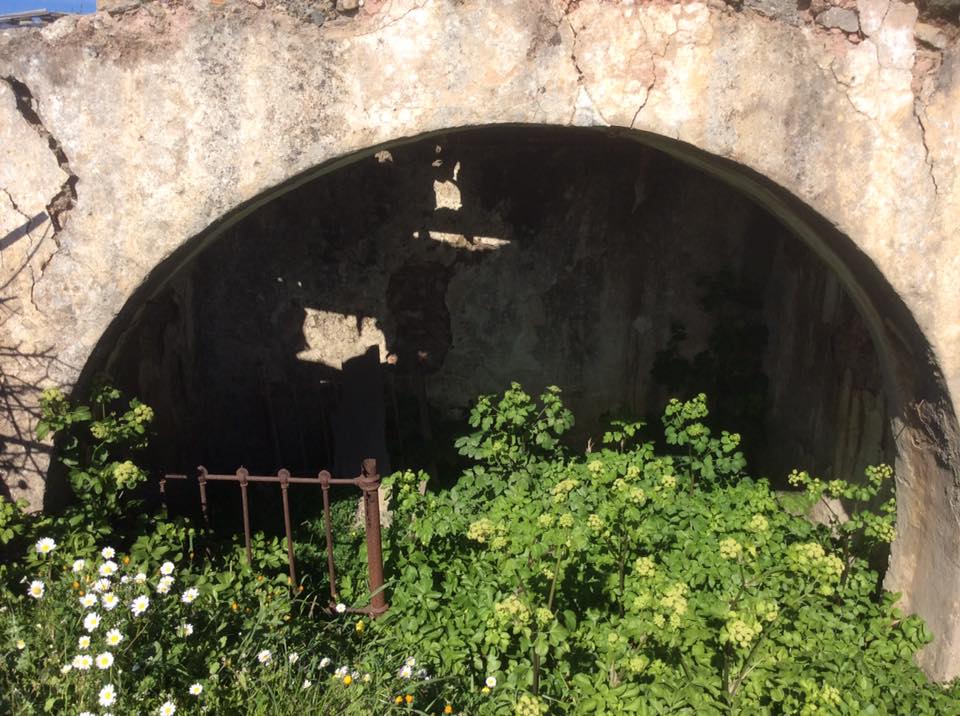
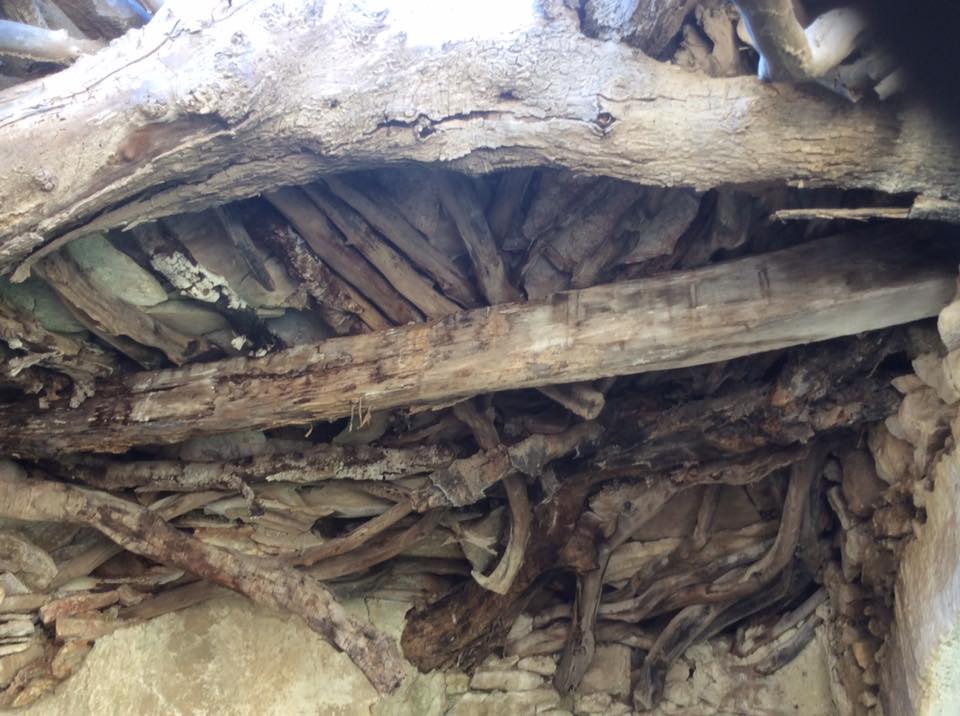
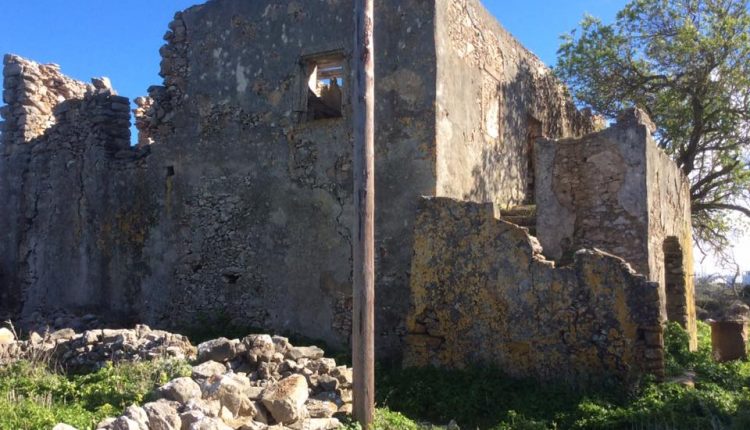
Studying the architecture in Fratsias, we discover the old folk dwelling, the one-room dwelling with the penthouses, the beams, the end panels, the clay, the auxiliary rooms, the kiln house, the wine press, the stable. We also meet a newer type of house, a flat-fronted house with two rooms, a kitchen and auxiliary rooms. There are also stone houses, fine examples of folk architecture, unfinished, with flowerbeds, with stairs, with a walkway. There are also townhouses with an upper floor and households on the ground floor. Two of them are owned by the Stai family and the family of Dimitrios Raptakis, a medical doctor who was Attik's grandfather.
Francia has produced great scientists, politicians and businessmen who excelled in Greece and abroad and helped their country in every way.